
Add us as your preferred source on Google to see more of our content in Search.
 Add to Preferred Sources
The International Organization for Migration is stepping up work to stop Mpox from spreading in West and Central Africa, targeting border health systems and mobile communities, according to an IOM statement released on Tuesday, September 9. The agency has sent technical experts and operational teams to work with government health officials and international partners. These teams are improving disease tracking at borders and mapping populations to better reach people who move frequently.
Border areas face serious risks because many people cross back and forth, boundaries are often poorly controlled, and health services are scarce. Weak monitoring systems and limited resources make it harder to spot and contain outbreaks. IOM already works heavily in these regions, which helps the organization respond quickly alongside local health systems.
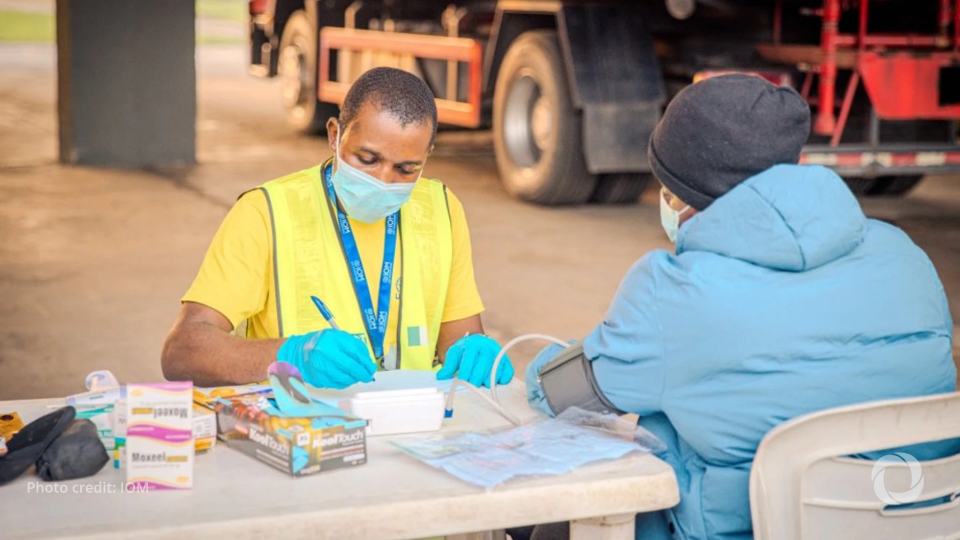
Several countries are seeing results from IOM’s efforts. Guinea has screened over 166,000 travelers for health issues, with 60 community workers stationed at 12 border crossings. Sierra Leone is using new mobility maps to focus prevention work in Port Loko, Kambia, and Western Urban Area. Togo now has 50 trained volunteers watching for disease signs at 15 entry points. Ghana recently brought together health officials and partners to coordinate their response plans.
“Health is a right that must extend to everyone, including people on the move,” said Sylvia Ekra, IOM’s Regional Director for West and Central Africa.
She stressed that border workers need proper tools and training to act fast when they spot problems.
Money remains tight, with only 10 percent of IOM’s $46 million funding request covered so far. The organization needs more donor support to keep protecting vulnerable people and strengthening health systems across the region.