
Add us as your preferred source on Google to see more of our content in Search.
 Add to Preferred Sources
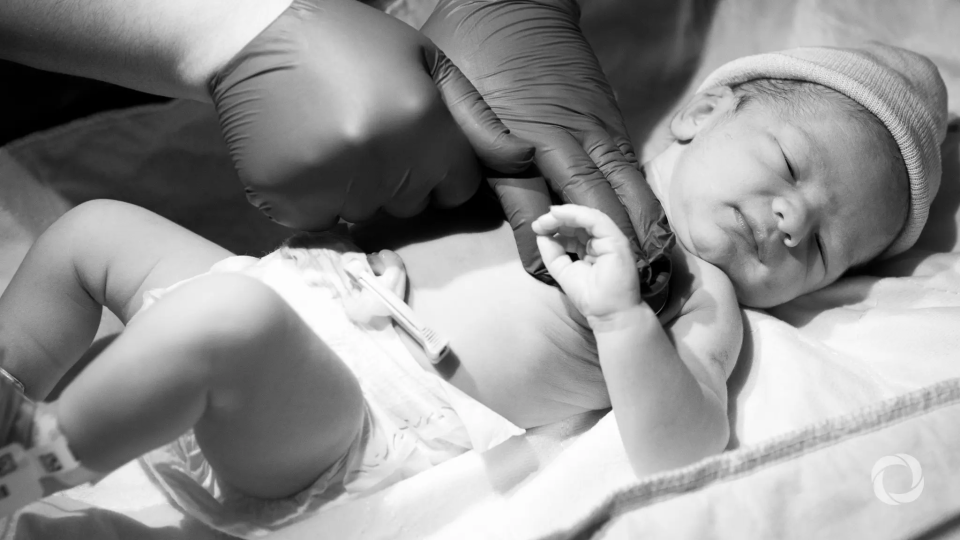
The World Health Organization urged global investment in safe pediatric and newborn care on World Patient Safety Day, warning that millions of children are harmed by health systems unprepared to meet their specific needs, according to WHO. The September 17 campaign “Patient safety from the start!” highlights how unsafe care disproportionately affects children and newborns, contributing to millions of preventable deaths each year. WHO emphasized that safe care for young patients is essential for universal health coverage, not merely a health priority but a fundamental requirement.
Hospital data reveals troubling patterns of harm to children. Up to one in two children admitted to hospital wards experience harmful incidents, while intensive care units show even higher rates with some studies reporting harm in up to nine in ten children. The most frequent problems include medication errors, missed diagnoses, hospital-acquired infections, surgical complications, and medical device incidents. Children requiring special medical care or dependent on medical technology face significantly higher risks.
Children face greater vulnerability in healthcare settings due to their ongoing development, reliance on caregivers, and sensitivity to environmental factors. Under-resourced facilities, inadequately supported staff, weak safety systems, and limited family involvement create dangerous conditions. These gaps lead to preventable deaths and disabilities while eroding public trust and straining health systems.
WHO noted that over 50% of patient harm can be prevented through better practices. Improved care quality could save up to 1 million newborns annually, while involving patients and families reduces harm by 15%. The organization called on health leaders to prioritize pediatric safety in national strategies and invest in training, infrastructure, and monitoring systems to protect vulnerable young patients.