
Add us as your preferred source on Google to see more of our content in Search.
 Add to Preferred Sources
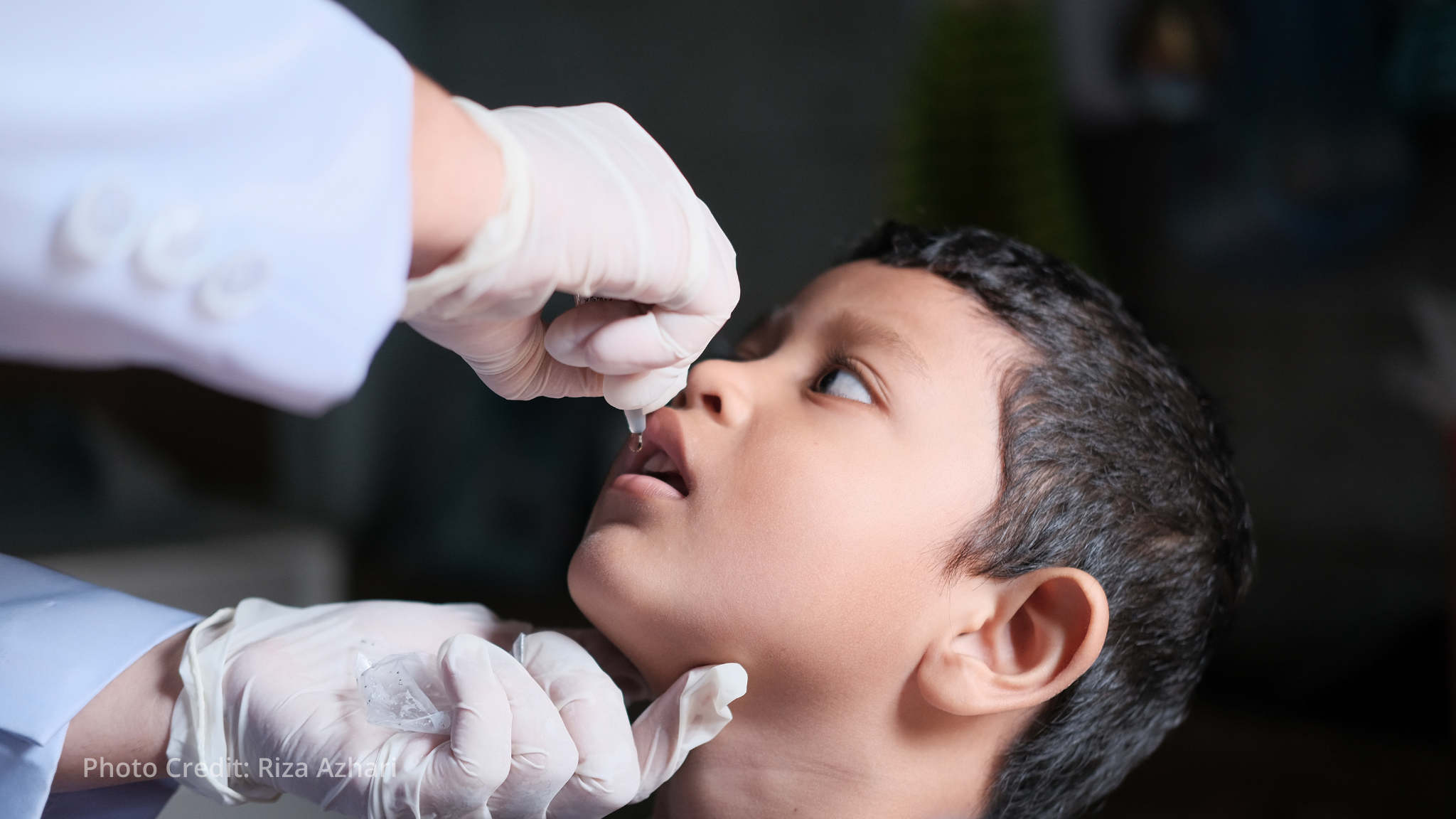
South Sudan launched a massive health campaign to protect 2.1 million children from polio and treat 1.2 million people for schistosomiasis in a single coordinated effort, according to the World Health Organisation (WHO) announcement. The four-day campaign running September 23-26 sends health workers door-to-door across 40 counties to give polio vaccines to kids under five and hand out deworming tablets to school-age children and at-risk adults. The Ministry of Health worked with WHO and United Nations Children’s Fund (UNICEF) to combine two separate health programs into one big push. This marks the first time South Sudan has tackled both diseases together, saving money and reaching more people than separate campaigns would.
South Sudan has been fighting polio outbreaks caused by low vaccination rates and hard-to-reach populations. The country faces ongoing challenges from conflict, flooding, and weak health systems that leave many children unprotected. Schistosomiasis, a parasitic disease spread through contaminated water, affects millions in areas around the White Nile where people rely on river water for drinking and washing.
“This dual strategy aims to overcome the challenges of reaching populations in difficult-to-access areas and improving vaccination coverage to stop cVDPV2 outbreaks,” said Health Minister Sarah Cleto Rial. WHO Representative Humphrey Karamagi noted that “our resolve to fight polio has been consistent and is unrelenting” thanks to improved surveillance and trained health workers. UNICEF’s Acting Representative Obia Ochieng stressed that “every child has the right to health and to thrive” and urged parents to get their kids vaccinated against all preventable diseases.
The campaign focuses on three counties—Awerial, Renk, and Bor South—plus 11 payams for schistosomiasis treatment while covering all 40 counties for polio vaccination. Health workers use the new oral polio vaccine type 2 designed to stop circulation of the virus strain causing current outbreaks.
The Global Polio Eradication Initiative funded the campaign as part of worldwide efforts to wipe out polio, which now exists in only two countries globally.