
Add us as your preferred source on Google to see more of our content in Search.
 Add to Preferred Sources
The Asian Development Bank (ADB) approved a $299 million loan to complete funding for India’s Delhi-Meerut Regional Rapid Transit System, bringing total ADB financing to $1.05 billion for the flagship urban transport project. This fourth and final tranche wraps up the multi-tranche facility approved in 2020 for the 82-kilometer rail line that cuts travel time between Delhi and Meerut from over three hours to just one hour.
The Delhi-Meerut RRTS is the first of three planned corridors in India’s National Capital Region designed to revolutionize regional connectivity. As of August 2025, 55 kilometers of track are already running with 11 stations connecting New Ashok Nagar in Delhi to Meerut South. The project should reduce annual carbon emissions by over 258,000 tons while spurring urban development across the region.
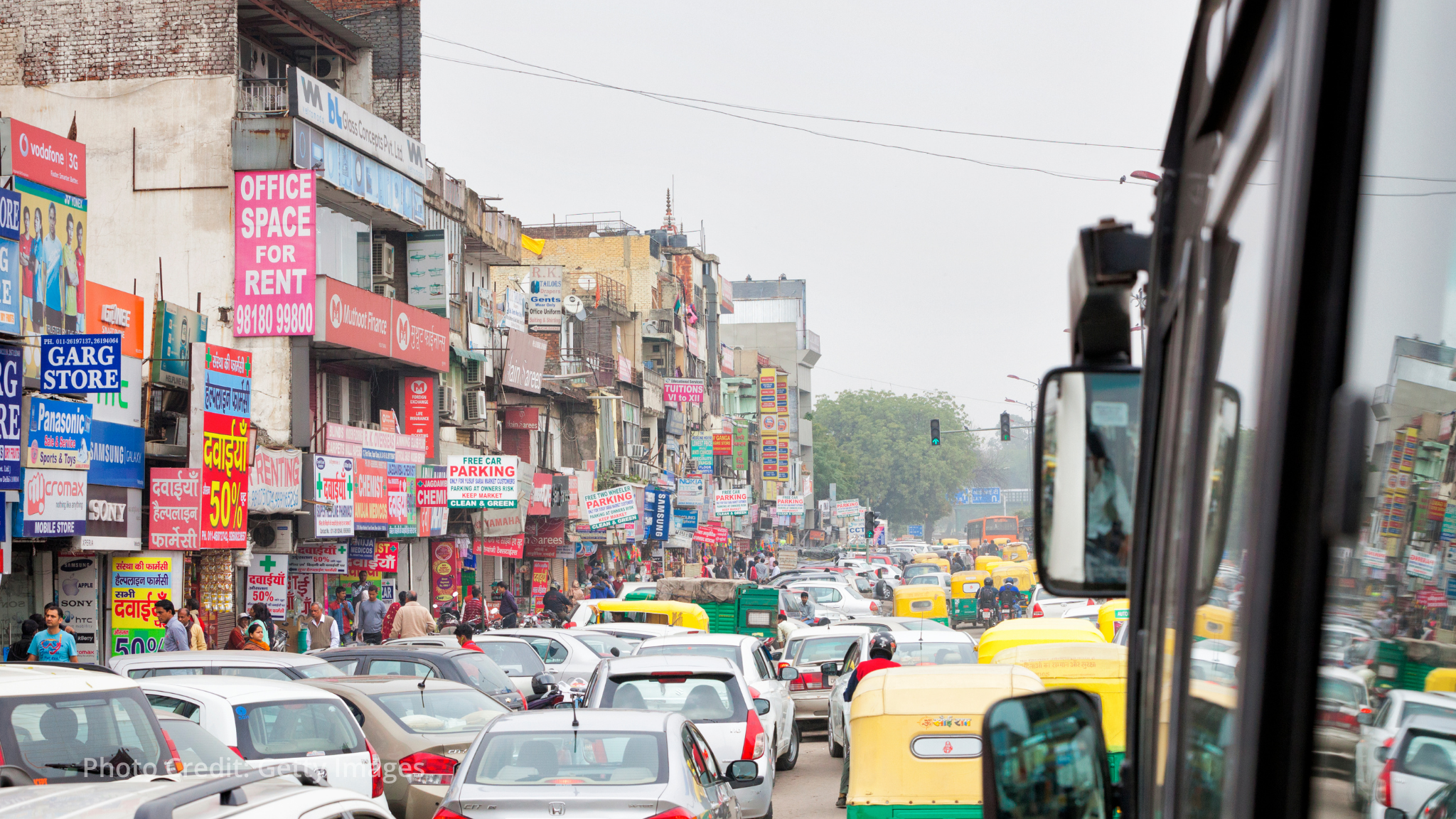
India’s National Capital Region has struggled with massive traffic congestion and air pollution as millions of people commute between Delhi and surrounding cities like Meerut. The existing transportation options – mostly buses and cars stuck in traffic – take hours and contribute to the region’s notorious smog problems. The rapid transit system offers a cleaner, faster alternative for daily commuters.
“The project marks a transformative step in India’s urban transport landscape,” said ADB Country Director for India Mio Oka. “It not only enhances mobility but also promotes inclusive growth, environmental sustainability, and is expected to serve as a model for future regional rapid transit systems across India and the Asia-Pacific region.” The trains can hit speeds up to 180 kilometers per hour and run every 5-10 minutes, offering what ADB calls “safe, reliable, and high-capacity commuter services.” ADB also provided technical help with building information modeling, resilience planning, and value capture financing.
The project gets additional backing from the Asian Infrastructure Investment Bank and the Japan Fund for Prosperous and Resilient Asia and the Pacific. India’s Ministry of Housing and Urban Affairs is running the project through the National Capital Region Transport Corporation. The system should encourage what urban planners call “polycentric development” – spreading economic activity across multiple centers instead of cramming everything into Delhi’s already overcrowded core.
The Delhi-Meerut line could become a template for similar rapid transit projects across India and other Asian countries dealing with urban sprawl and pollution problems.