
Add us as your preferred source on Google to see more of our content in Search.
 Add to Preferred Sources
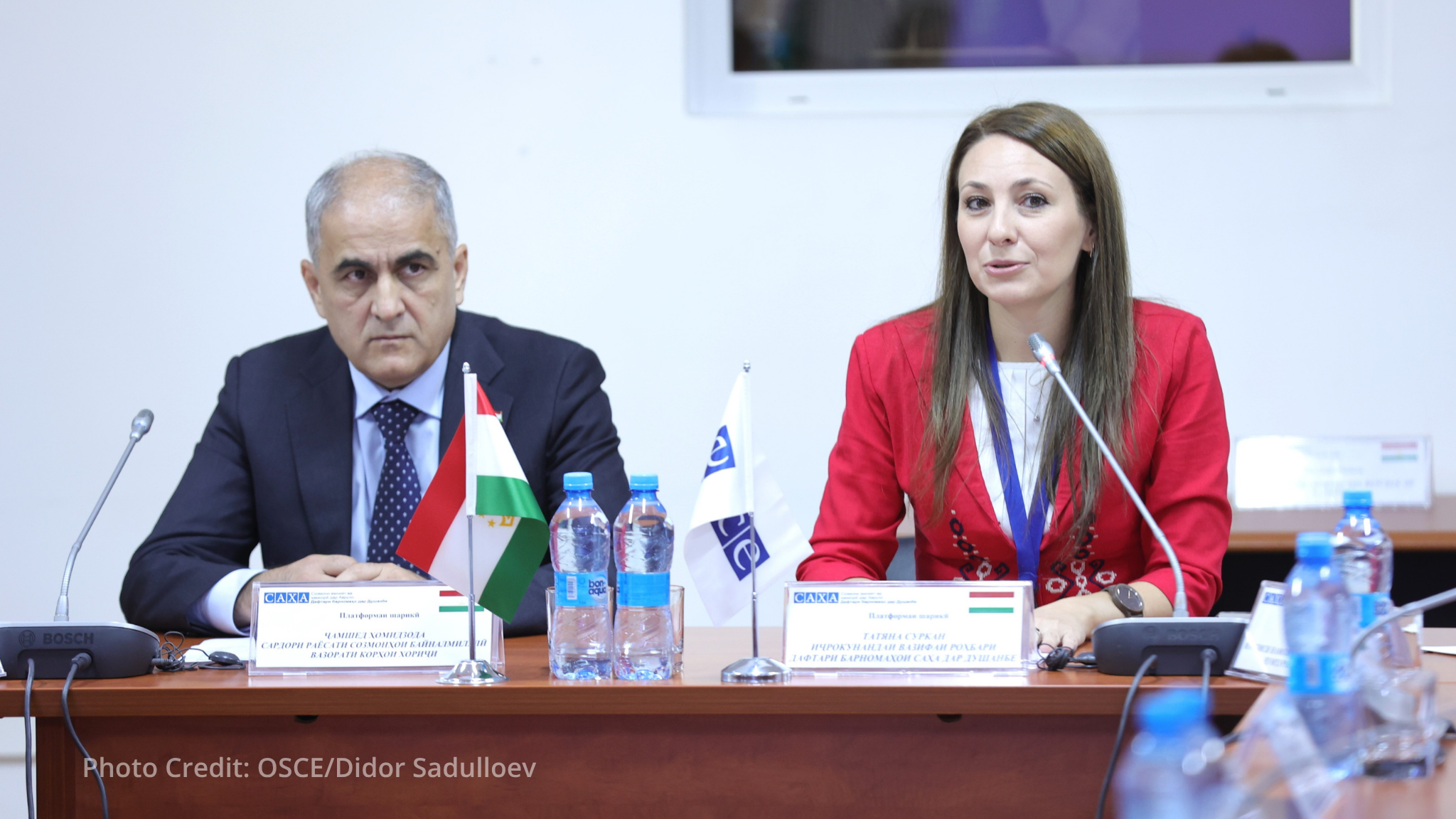
The Organization for Security and Co-operation in Europe (OSCE) Programme Office in Dushanbe held its annual Partnership Platform meeting on October 2, bringing together Tajik government and OSCE staff. The meeting looked back at what the office accomplished in 2025 and planned priorities for next year. Officials discussed work across three main areas: military and political security, economic and environmental issues, and human rights. Kate Fearon from the OSCE Conflict Prevention Centre said the event shows “the essence of what the OSCE strives to achieve.” This was the seventh such meeting since the platform started in 2018.
The Partnership Platform gives Tajikistan and the OSCE a regular chance to talk openly about security challenges and cooperation. Central Asia faces ongoing regional tensions and global uncertainties that affect stability. The OSCE has been working in Tajikistan for years on various security-related programs. The annual meeting helps both sides stay aligned on priorities and make sure projects actually help the country’s needs. Tajikistan borders Afghanistan and deals with drug trafficking, border security issues, and economic development challenges.
Jamshed Homidzoda from Tajikistan’s Foreign Ministry called the meeting “a unique platform for addressing existing challenges and advancing future plans.” He said it helps identify ways to support the country’s Sustainable Development Goals. OSCE Acting Head Tatiana Turcan said “the value of sustained partnerships cannot be overstated” given regional uncertainties. The meeting covered arms control, border management, disaster preparedness, good governance, fighting human trafficking, and gender equality. These topics reflect both OSCE priorities and issues that matter to Tajikistan’s development.
The Dushanbe office wants to make sure its 2026 programs match what Tajikistan actually needs rather than just following standard international templates. The meeting helps create what officials call “local ownership” of security and development programs. Both sides can adjust their cooperation based on how regional situations change. The platform also gives Tajik officials a direct line to OSCE decision-makers in Vienna and other regional capitals.