
Add us as your preferred source on Google to see more of our content in Search.
 Add to Preferred Sources
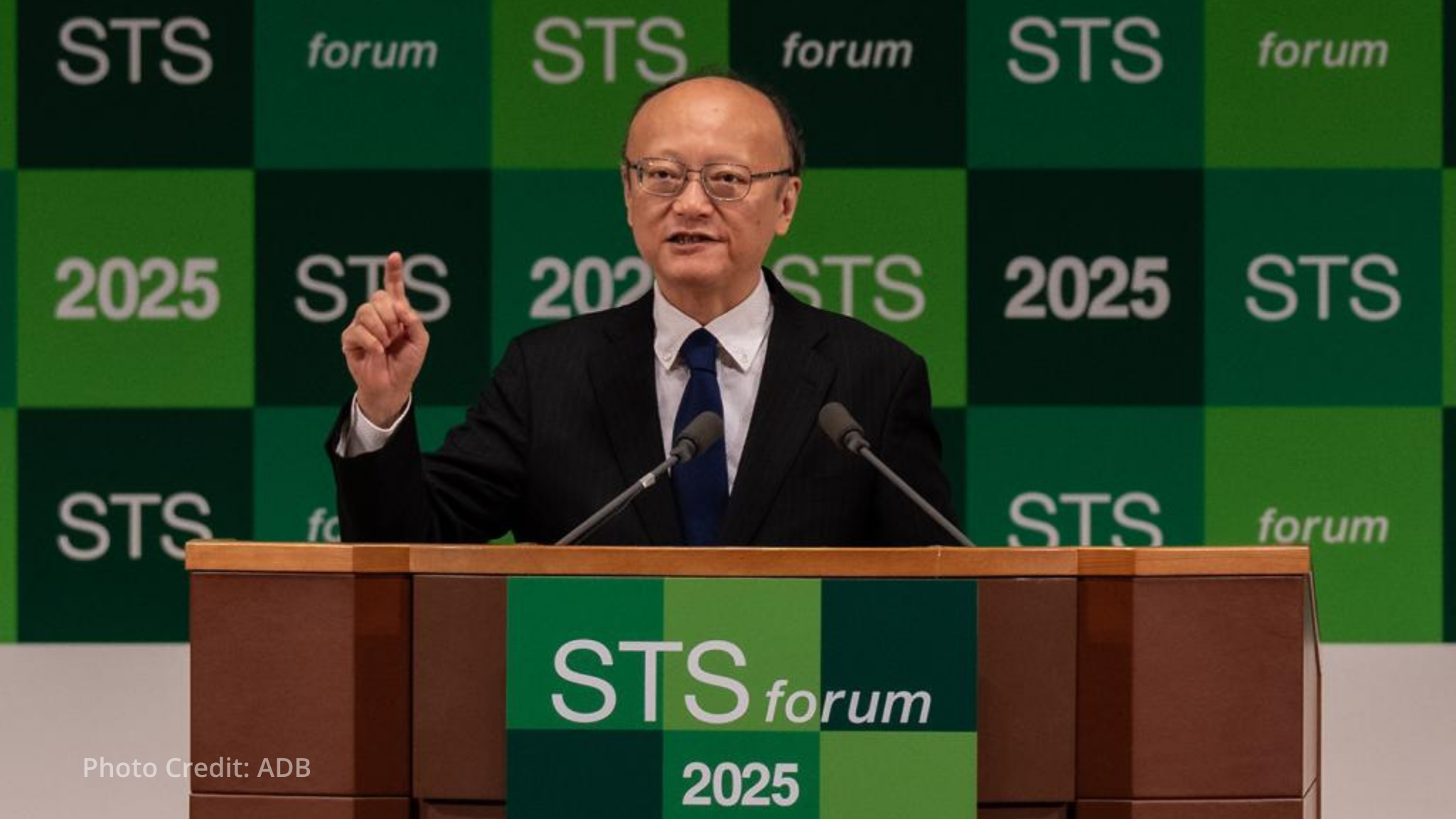
Asian Development Bank (ADB) President Masato Kanda called for joint action between scientists, policymakers, and financiers to deliver clean energy across Asia and the Pacific, officials announced. Speaking at the Science and Technology in Society Forum in Kyoto on October 5, Kanda said ADB is updating its Energy Policy to better serve developing countries with practical pathways to clean power.
For the first time in ADB’s 60-year history, the bank will support nuclear power projects. “We see nuclear power as an important option for countries that want to shift away from coal and gas baseload and cut emissions,” Kanda said. ADB’s role will be to make nuclear “safe, trusted, and investable.”
The bank plans to provide up to $10 billion over 10 years to support the ASEAN Power Grid, which will move clean electricity across borders when and where it’s needed. Kanda also highlighted ADB’s new Critical Minerals to Manufacturing approach, including a $410 million financing package for the Reko Diq Mining Project to help secure reliable copper supplies for the clean energy transition. These moves show how development banks are adapting their strategies to support the region’s shift away from fossil fuels. Many Asian countries still rely heavily on coal and gas but want to transition to cleaner alternatives.
After the Kyoto forum, Kanda traveled to Kobe for the World Ports Conference, where he delivered the keynote address calling on governments and industry to transform ports into “resilient, digital, and low-carbon gateways.” In a statement, he said “we envision ports in Asia and the Pacific transforming into highly efficient, digitally enabled, energy-integrated hubs.” These upgraded ports would protect supply chains, create local jobs, and help regional cooperation while positioning economies for sustainable growth. Kanda praised Kobe’s recovery after the 1995 earthquake as a model for reinvention.
The conference included signing a cooperation agreement between ADB and the International Association of Ports and Harbors that Kanda witnessed. The deal will promote knowledge sharing, technical exchanges, and capacity building to help ADB’s developing member countries with port digitalization and green transformation. Kanda’s speech outlined closing investment gaps with targeted public financing, mobilizing private capital for the maritime energy transition, and deeper regional cooperation so ports work as integrated networks rather than separate facilities.