
Add us as your preferred source on Google to see more of our content in Search.
 Add to Preferred Sources
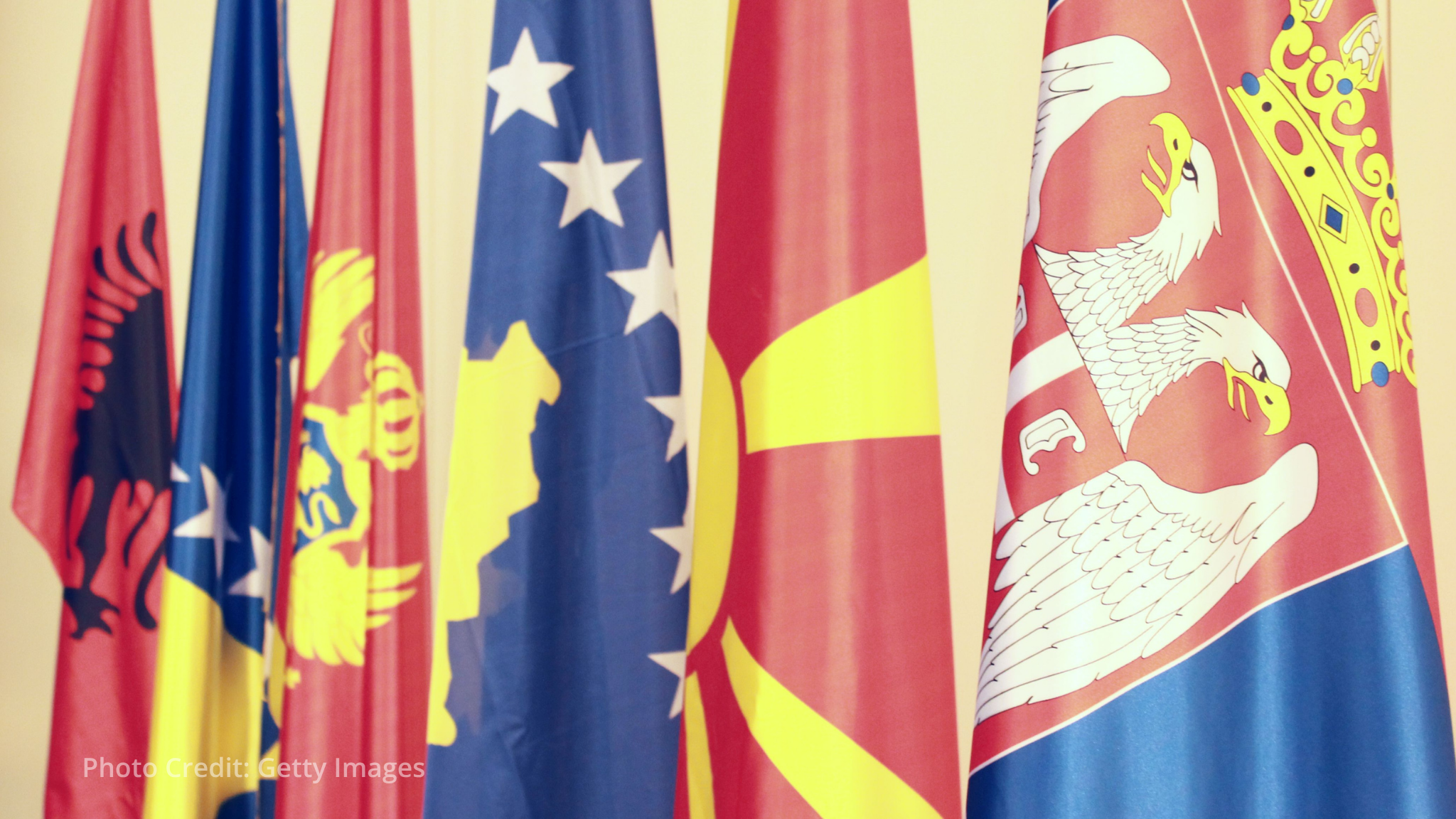
The Western Balkans need to create more quality jobs to sustain economic growth and catch up with the European Union, the World Bank (WB) said in a new report. The region’s combined economic growth is expected to reach 3.0% in 2025, slightly below earlier projections, before accelerating to 3.1% in 2026 and 3.6% in 2027. Albania, Bosnia and Herzegovina, Kosovo, Montenegro, North Macedonia, and Serbia all face similar challenges despite different growth rates. World Bank official Xiaoqing Yu said “growth remains insufficient to meet people’s aspirations” and the region needs to rethink job strategies. The report shows the Western Balkans are making progress but still lag behind more advanced EU economies.
The region faces a strange labor market problem: worker shortages in some sectors exist alongside unemployment rates above 10% and low workforce participation below 55%. Women, young people, and older adults are particularly underrepresented in the job market. This year’s economic slowdown came as inflation hurt consumer spending while global uncertainty limited trade and investment. Despite strong wage growth and credit expansion, governments kept fiscal policies disciplined with deficits below 3% and falling public debt levels.
Demographics make the job challenge even tougher. The working-age population has already shrunk and is projected to fall by nearly 20% by 2050. If current trends continue, the region could face a shortage of more than 190,000 workers over the next five years. Countries are losing people to emigration while birth rates remain low. This creates a vicious cycle where fewer workers mean less economic dynamism, which drives more people to leave for opportunities elsewhere in Europe.
The World Bank outlined three main areas for improvement: investing in education and health systems while increasing women’s workforce participation, strengthening governance and business-friendly policies, and mobilizing private capital for financing and digital upgrades. The report stressed that transport, environment, and energy infrastructure investments can connect firms and people more efficiently. Reforming state-owned enterprises, streamlining regulations, and supporting startups will help businesses expand and improve services.
The findings come as Western Balkan countries work toward EU membership and need to show they can build modern economies. Success requires moving beyond traditional industries toward higher-value services and manufacturing that can compete globally. With an aging population and brain drain, these countries have a narrow window to implement reforms that can attract investment and create the types of jobs that will keep young people from emigrating to wealthier EU countries.