
Add us as your preferred source on Google to see more of our content in Search.
 Add to Preferred Sources
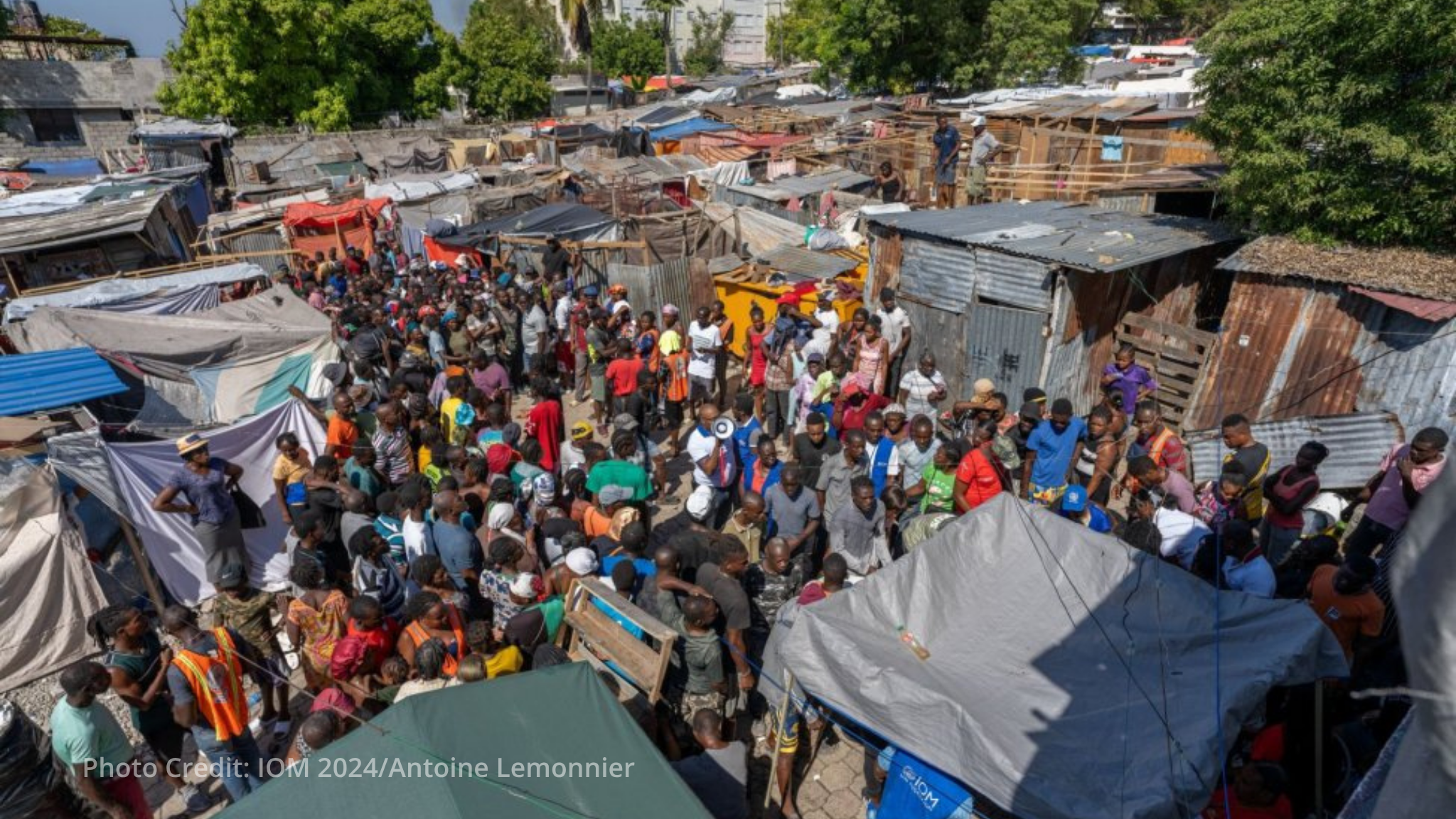
More than 1.4 million people have been forced from their homes in Haiti this year due to escalating violence and instability, marking the highest displacement figure ever recorded in the country. The crisis represents a 36 percent jump since the end of 2024, according to a press release from the International Organization for Migration (IOM), based on its latest Displacement Tracking Matrix report. The surge underscores a deepening humanitarian emergency that is overwhelming both displaced families and the communities sheltering them.
While Port-au-Prince remains a flashpoint, the crisis has spread far beyond the capital. Nearly two-thirds of new displacements have occurred in other regions, particularly the Centre and Artibonite departments, as gang violence pushes people into areas already strained by limited resources. Spontaneous displacement sites have grown from 142 in December to 238 today, with existing camps severely overcrowded and lacking basic services.
Women and children bear the brunt of the displacement, representing more than half of those uprooted. Many parents have sent their children to relatives in safer areas, splitting families apart in desperate bids for protection. Local communities continue hosting around 85 percent of displaced people despite mounting pressure on their own resources. Meanwhile, Haiti’s border areas face added strain as over 207,000 deported Haitians have returned from the Dominican Republic since January 2025.
“The severity of this crisis demands increased and sustained response,” said Grégoire Goodstein, IOM’s Chief of Mission in Haiti. “The generosity of Haitian communities hosting displaced people must be matched by renewed international support. What is needed now are sustainable solutions that restore dignity, foster resilience, and create lasting alternatives for those enduring this long and complex crisis.”
IOM has expanded operations beyond Port-au-Prince, delivering emergency shelter, clean water, health services, and protection to vulnerable families. The organization is also working with local partners on longer-term programs focused on education, employment, youth engagement, and infrastructure rehabilitation. Without immediate and sustained international funding, IOM warns, the suffering of hundreds of thousands of displaced Haitians will continue to deepen.