
Add us as your preferred source on Google to see more of our content in Search.
 Add to Preferred Sources
Mongolia is getting a major upgrade to its electricity grid through a new $78 million World Bank project aimed at cutting blackouts and boosting renewable energy, the bank announced. The Fourth Energy Sector Project will build new transmission lines and expand power substations across the country’s Central and Western Regions, where around 200,000 people are expected to see more reliable electricity. Power outages in project areas should drop by about half.
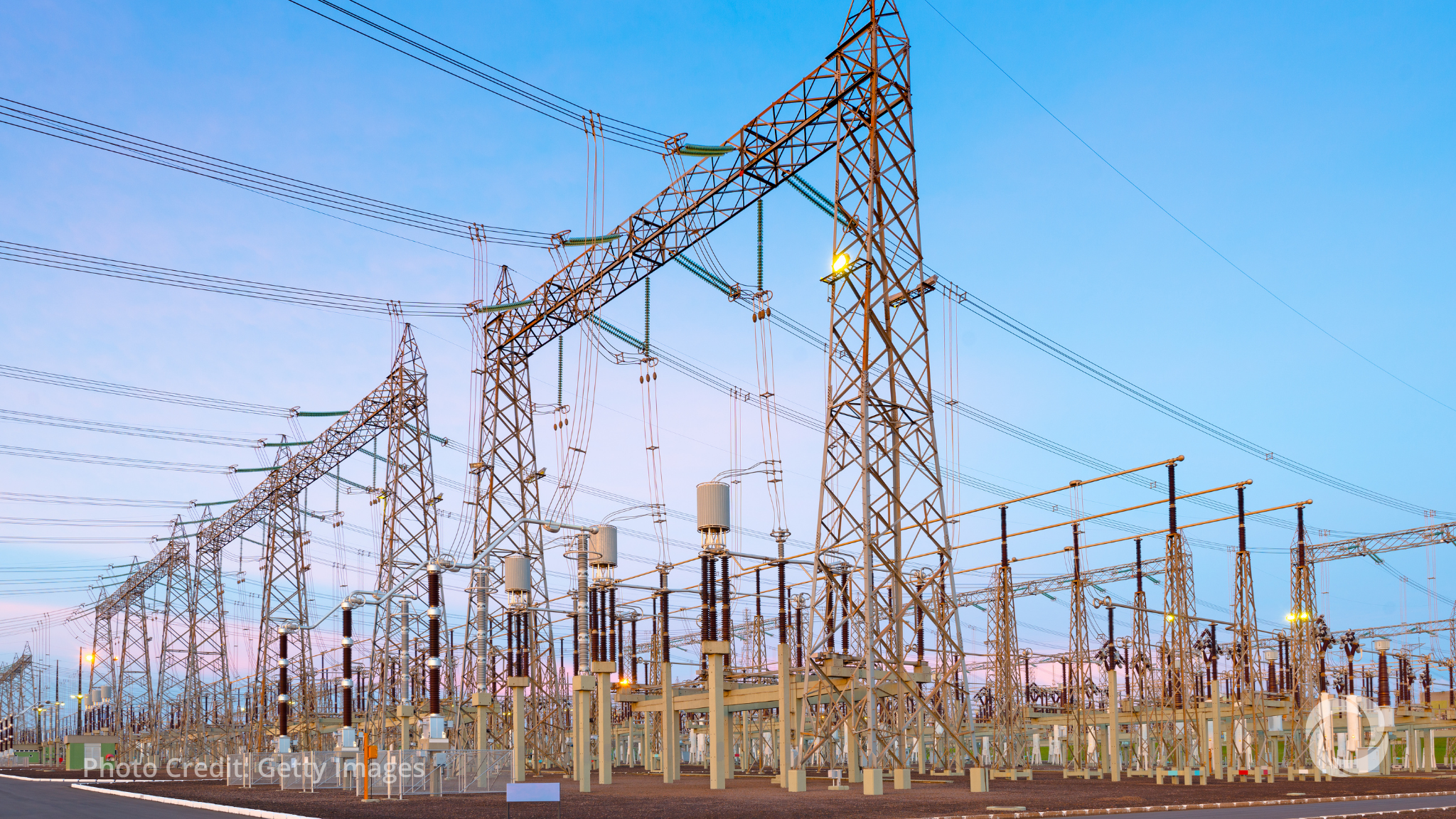
The work includes constructing a 220 kV transmission line connecting Mandal Substation to a new facility in Uvurkhangai, plus expanding substations in Mandalgovi, Arvaikheer, and Bayankhongor. The upgrades will add over 590 megawatts of transmission capacity—enough to handle about 150 megawatts of wind and solar power that Mongolia plans to add to its grid. All new infrastructure will be climate-proofed to handle extreme weather.
“This project will help advance Mongolia’s low-carbon development goals while supporting inclusive economic growth and job creation,” said Taehyun Lee, World Bank Country Manager for Mongolia.
The effort lines up with Mongolia’s New Recovery Policy and the government’s action plan running through 2028.
The project comes from the World Bank’s International Bank for Reconstruction and Development. It’s part of a wider program called Accelerating Sustainable Energy Transition, which helps East Asia and Pacific countries ramp up renewable energy and connect it to national grids. Mongolia is using the funding to move away from fossil fuels while keeping the lights on for communities that have long dealt with unreliable power.