
Add us as your preferred source on Google to see more of our content in Search.
 Add to Preferred Sources
Key reasons to read the article:
- Understand how COP30, the world’s most influential climate event, has entered its final make-or-break phase that will define global climate action for years to come.
- Dive into the three areas where the outcome will be decided: the phasing out of fossil fuel, the battle over climate finance, and the stalled adaptation agenda.
- Go behind the closed-door clashes between those who are blocking progress and those who are trying to unlock it before the clock runs out.
- Decode the warning signs within the COP30 draft text.
- Learn what the next 72 hours will mean for the 1.5°C limit.
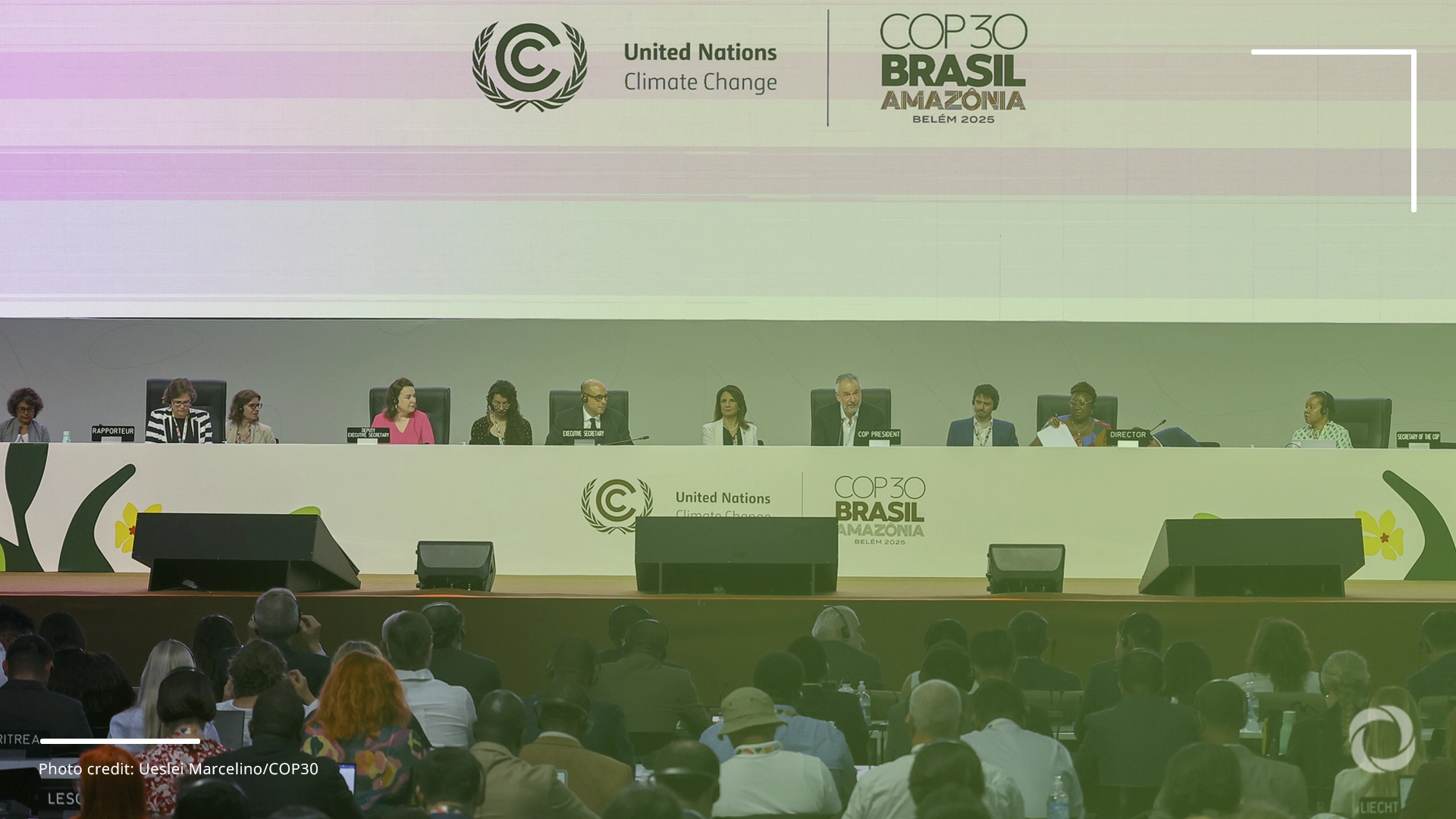
The first week of COP30 ended with an unmistakable sense of paralysis in the air in Brazil’s Belém – incremental, almost invisible progress and a long list of unresolved issues, some of which never even made it onto the official agenda. However, the tone has changed in the second week. With more than 160 national delegations attending, the “decisive phase” has finally begun in an attempt to turn deep structural divergences into political agreements by Friday, 21st November.
The challenge ahead is enormous. COP30, the UN’s largest climate negotiation summit, is expected to make progress with some of the most consequential decisions for the planet’s future: phasing out fossil fuel, defining the next era of climate finance, and ensuring developing countries can fund adaptation and clean energy transition.
See also: From finance to forests and oil: Five frontlines that will define COP30 in Brazil
The prevailing hope in Belém is that ministers will have the political latitude needed to break the deadlocks which technical negotiators could not do during in the first week or were not authorized to. As one Brazilian diplomat put it:
“Ministers can open doors that technical teams are not permitted to unlock.”
A rare warning amid growing tension
After a plenary session collapsed last weekend due to a lack of consensus, United Nations climate chief Simon Stiell issued a blunt warning:
“The clock is ticking (…) If you do not align and find common ground on issues that matter to others, COP30 will not deliver outcomes that show Paris is working.”
He backed that warning with numbers that highlight both progress and peril. Countries have pledged to mobilize US$1 trillion by 2035 for clean energy and sustainable fuels — a quadrupling within a decade. Moreover, 2024 saw a historic US$2.2 trillion in global renewable investments.
But this is where Stiell’s optimism ended.
“There is willingness, but not enough speed to implement change. Climate disasters are taking lives, raising food prices, and destroying economies.”
Perhaps most troubling, Stiell admitted that the hardest negotiations have not yet even begun.
Draft decision issued without the fossil-fuel roadmap
A tentative breakthrough arrived on Tuesday, 18 November, when COP30 released its first draft decision text. Its main headline is a proposal to unlock the long-stalled debate on climate finance – historically one of the most contentious issues between the Global North and South.
But one notable omission immediately drew attention: the text contains no explicit reference to a fossil-fuel phase-out roadmap.
Luiz Inácio Lula da Silva, the President of the host country, views this omission to be critical. Brazil considered including the roadmap on the official agenda as a signature achievement of its COP leadership. Yet, resistance, particularly from Saudi Arabia and other major oil-producing nations, remains fierce. For them, discussing the end of fossil fuels is a red line.
Against this backdrop, Lula returns to Belém on Wednesday to rally international support for the fossil-fuel roadmap and push for progress in other critical areas, such as adaptation and finance.
André Corrêa do Lago, Brazil’s ambassador and President of COP30, signaled a clear intention:
“This is the COP of adaptation, and we need to give the theme real momentum.”
But experts remain skeptical. Romain Ioualalen of Oil Change International was blunt:
“The options presented for the fossil-fuel roadmap are deeply inadequate. Honestly, it’s a joke.”
Climate finance: the battle of the numbers
Finance is emerging as the fiercest battlefield at COP30. At COP29, developed nations announced an annual commitment of US$300 billion for developing countries, a figure that was met with initial enthusiasm that quickly evaporated.
The G77 and African countries argue that the amount is far from sufficient and are pushing to triple adaptation finance by 2030, reaching US$120 billion per year. Wealthy nations insist the issue is closed, saying “the matter was settled in Baku.”
But the real scale of the problem is stark: experts estimate that the actual needs have reached US$1.3 trillion annually — leaving a US$1 trillion gap that COP30 is most probably unable to close.
In search of long-term solutions, the presidencies of COP29 and COP30 jointly proposed new global taxes on financial services, technology, luxury goods, and the arms industry.
The draft text includes two references to the proposed US$1.3 trillion roadmap, one symbolic and one more concrete. Environmental groups, however, expressed cautious optimism. Greenpeace’s Anna Cárcamo noted the proposal’s “meaningful steps, such as tripling adaptation finance by 2030 and establishing a dedicated work program for public finance.”
Fossil fuels: the ghost haunting the summit
Despite the global commitment at COP28 to transition “away from fossil fuels”, the roadmap is still absent from the official agenda. More than 60 countries support it, as does the scientific community. Nevertheless, major oil and gas producers, informally referred to as the “deposits coalition”, continue to block progress. This bloc includes Arab nations, Russia, the United States (absent from COP30), and Brazil itself, which continues to expand pre-salt oil production.
On Tuesday, about 80 countries formally called for a global pathway to phase out fossil fuels. Colombia has been at the forefront of this progressive push. Its environment minister, Irene Vélez Torres, warned that “the urgency of the climate crisis allows no slowdown. The science is clear, and the impacts are daily and extremely costly, especially for the Global South.”
Germany’s environment minister, Carsten Schneider, urged “a global effort to free ourselves from fossil fuels.” He called on the Brazilian presidency to include the phase-out in the final text:
“This is what we need to keep the 1.5°C limit alive.”