

Add us as your preferred source on Google to see more of our content in Search.
 Add to Preferred Sources
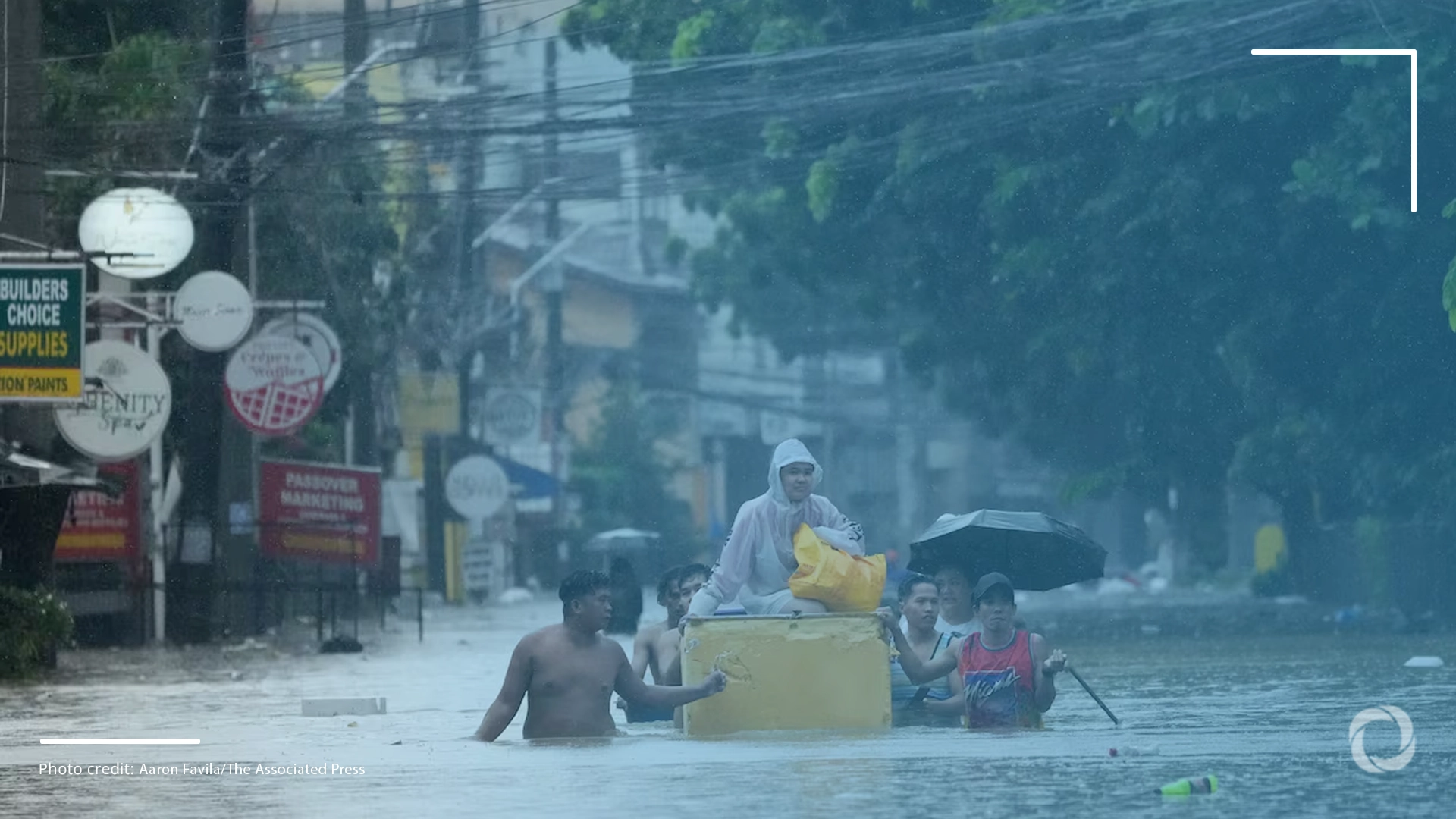
Every year, Filipinos rebuild their lives after dozens of powerful typhoons. But the most devastating storm in the Philippines comes from inside the country: corruption, a man-made disaster that drains billions, erodes trust in state institutions and blocks progress.
A US$2 billion-worth ghost project scandal
While storms destroy houses, corruption destroys futures. A recent investigation uncovered 421 “ghost” flood projects, revealing how corruption may have consumed up to 70% of the allocated flood budget – an estimated loss of US$2 billion.
Between 2011 and 2025, the government set aside over US$24 billion for flood control. Yet, only 40% of those funds were effectively used for real infrastructure. The rest vanished into “black holes”.
In 2019, corruption drained 20% of the yearly national budget, deepening poverty for more than 17 million Filipinos. Illicit financial flows cost the Philippines US$10 billion annually, with corruption impacting disaster management, education, and health services.
A crisis of trust and freedom
Corruption does not only steal money. It stifles freedom of expression. Journalists investigating graft often face harassment, red-tagging, or even violence. This climate of fear suppresses public access to information and allows corruption to thrive without scrutiny.
The problem has international consequences too. South Korea has recently halted a US$503 million loan over corruption concerns.
Transparency International’s 2024 Corruption Perceptions Index gave the Philippines a score of 33 out of 100, ranking it 114th among 180 countries in the 2023 Index. The country’s highest score was just 38 back in 2014.
Economic storm clouds
When corruption scandals break, investor confidence collapses. One recent scandal triggered a rate cut to 4.75%, impacting market stability.
Analysts warn that unresolved corruption scandals could lead to financial crises, with a US$29.13 billion stock market loss within three months. Nevertheless, corruption scandals, including the impeachment of Vice President Sara Duterte, have overshadowed reform efforts.
President Ferdinand R. Marcos Jr. has recently condemned corruption in infrastructure projects, calling it “a departure from principles, embodying corrupt practices contrary to expected conduct within governance”.
A barrier to national progress
Experts say corruption has cost the Philippines decades of development opportunities. Its effects are felt in everyday life:
- Eroded public services, forcing citizens to pay for services that should be free
- Higher taxes without visible improvements
- Lost job opportunities and economic stagnation
- Rising cost of living and deepening inequality
- A collapse of public trust in government
Laws without teeth
The Philippines has strong anti-corruption laws on paper, including the Anti-Graft and Corrupt Practices Act (Republic Act 3019) and the Code of Conduct and Ethical Standards for Public Officials and Employees (RA 6713).
But without credible monitoring, enforcement remains weak. The gap between legislation and real implementation allows corruption to flourish, forcing ordinary citizens to bear the cost.
Is the nation rising?
Despite the challenges, Filipinos seem to be fighting back. Weekly anti-corruption protests are planned across major cities in October this year, uniting civil society groups, youth movements, and watchdog organizations. For ordinary Filipinos and civil society, corruption is not only about politics, it is a matter of survival.