
ADB and World Bank launch new partnership with big health and infrastructure projects in the Pacific
Add us as your preferred source on Google to see more of our content in Search.
 Add to Preferred Sources
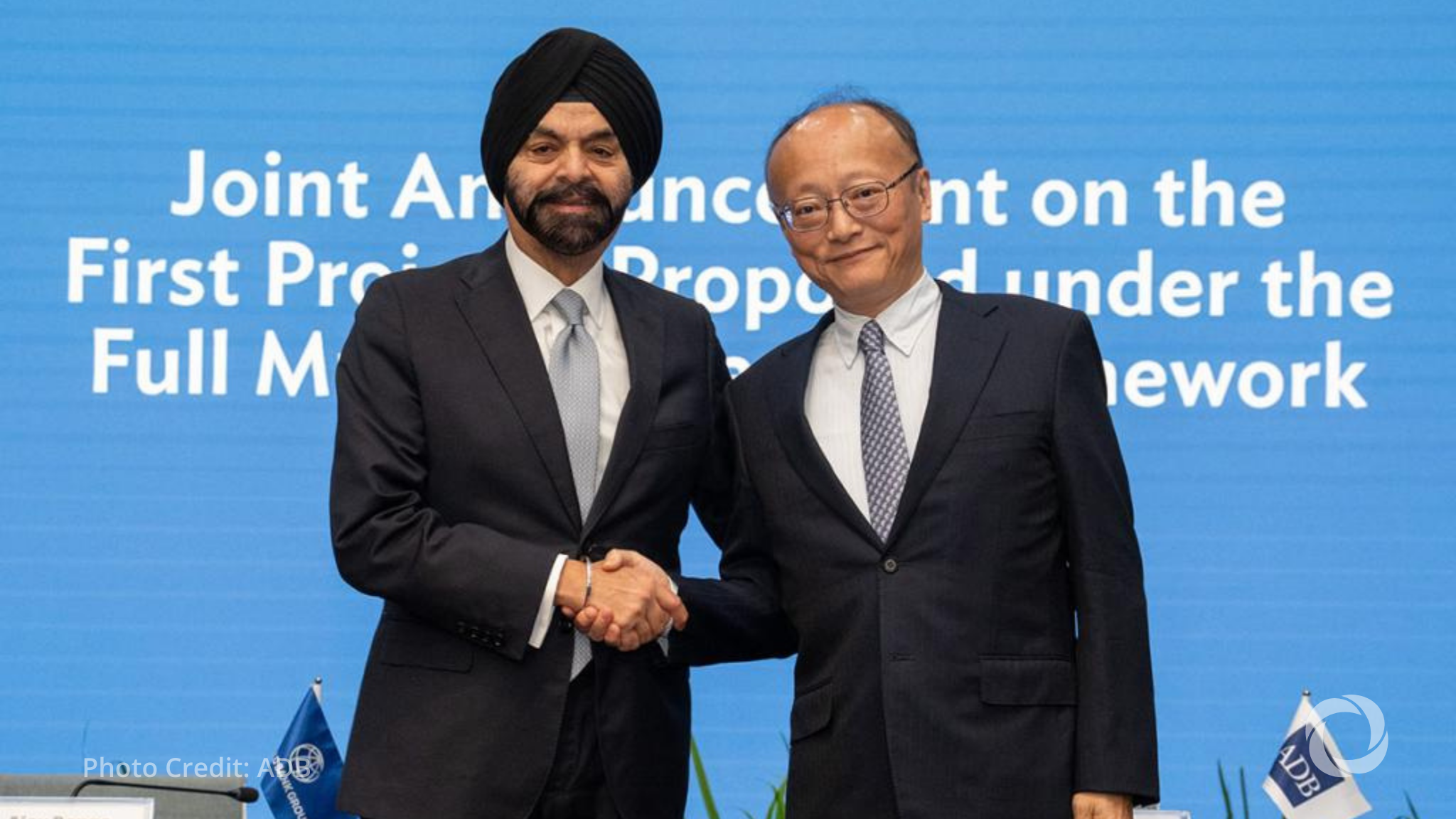
The Asian Development Bank (ADB) and the World Bank are rolling out a new way of working together in the Pacific, starting with major projects in Fiji and Tonga, the two institutions announced. Under the new Full Mutual Reliance Framework, countries will deal with just one lead lender on each project—either ADB or the World Bank—which will handle design, preparation, supervision, and evaluation. The aim is to speed things up, cut red tape, and keep strong policy standards in place.
The first project under this model is the $236.5 million Pacific Healthy Islands Transformation (PHIT) initiative, led by the World Bank. It tackles noncommunicable diseases, now among the top killers in Pacific island countries. In Fiji, the program will upgrade primary health-care networks and support a new regional hospital, improving access to treatment for cancer, heart disease, diabetes, and other major conditions for people across the Pacific. The World Bank Board has already signed off on its part of the financing, while ADB’s proposed cofinancing is due to go to its Board in early 2026.
The second project, led by ADB, is the Tonga Sustainable Economic Corridors and Urban Resilience (SECURE) project, approved by ADB’s Board in November 2025. With ADB and the World Bank expected to provide a combined $120 million in grants, it will be the largest development partner–financed project in Tonga’s history. SECURE will overhaul transport and drainage systems in Greater Nuku’alofa, including building the 720-meter Fanga’uta lagoon bridge.
These upgrades are designed to ease traffic congestion, improve market access for rural residents, and strengthen links to critical services like the airport and port. Just as importantly for a climate- and disaster-exposed country, they will provide safer evacuation routes during tsunamis and other emergencies. ADB President Masato Kanda said the new framework is about “making development finance simpler, faster, and more effective,” while World Bank Group President Ajay Banga stressed that it was created because Pacific countries “asked us to make their lives easier” and deliver results more quickly.
By formalizing this kind of burden-sharing, the partnership aims to move projects from concept to reality faster—especially those tied to health systems, disaster resilience, and essential infrastructure that Pacific communities rely on every day.