
Add us as your preferred source on Google to see more of our content in Search.
 Add to Preferred Sources
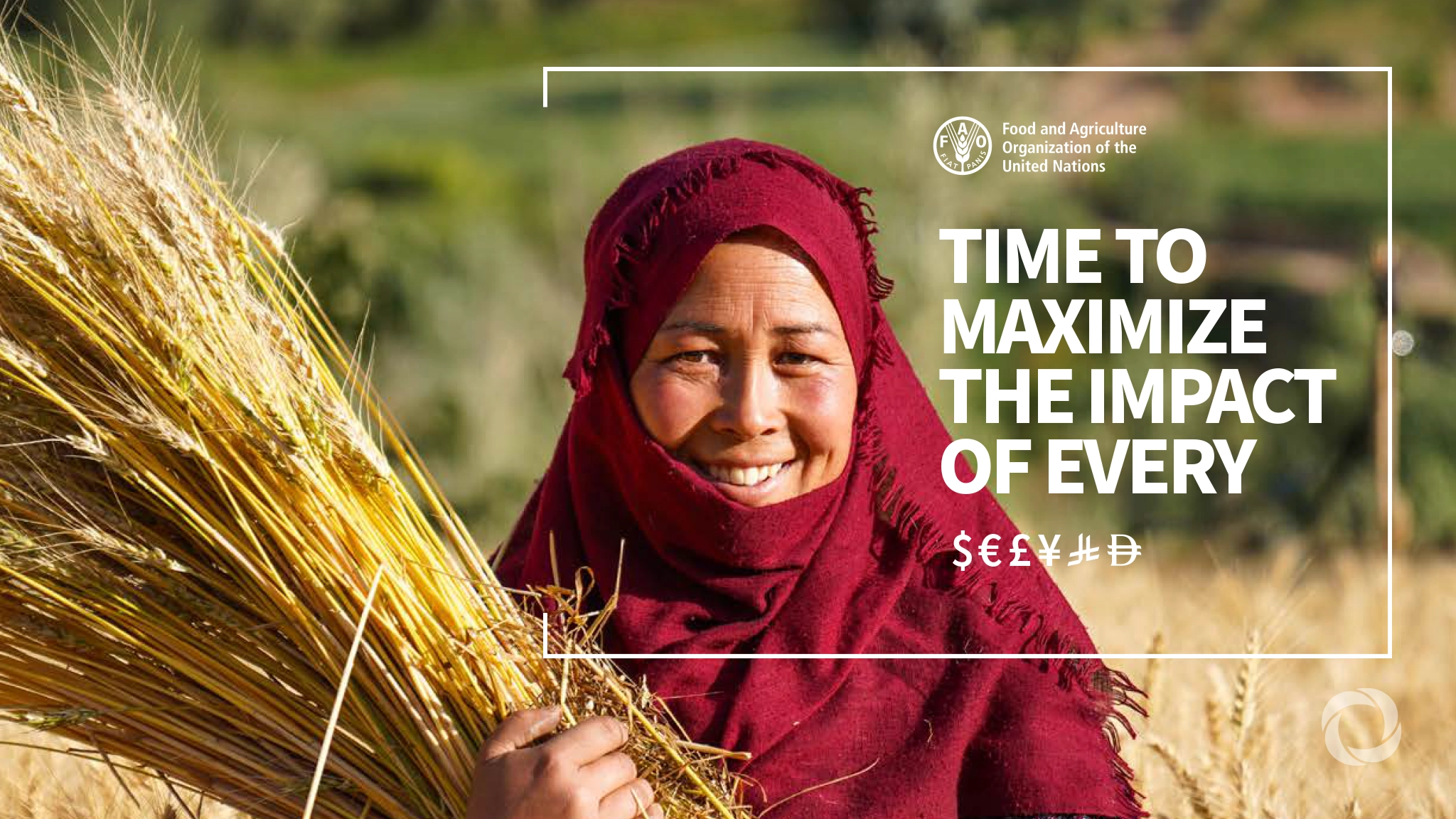
The UN Food and Agriculture Organization (FAO) launched its first-ever “Global Emergency and Resilience Appeal”, asking for $2.5 billion to support more than 100 million people across 54 countries and territories in 2026, FAO announced. The appeal puts emergency agricultural assistance front and center, aiming to protect food production and build resilience in crisis zones at a time when humanitarian funding is tight and acute food insecurity keeps climbing.
By rolling all humanitarian and resilience needs into one framework, FAO wants to tackle urgent problems while cutting the odds of having to provide the same costly help over and over. The approach reflects what farmers on the ground consistently ask for and what member states have urged FAO to prioritize. FAO Director-General QU Dongyu, speaking at the 179th FAO Council, stressed that acute food insecurity has tripled since 2016 despite high levels of humanitarian funding, warning that “the current model simply does not keep pace with today’s realities.”
Around 80 percent of people facing acute food insecurity live in rural areas and depend on farming, herding, fishing, or forestry. Yet only 5 percent of humanitarian food-sector funding goes toward agricultural livelihoods—a gap that keeps families stuck in cycles of crisis and dependence. When farmers can keep producing, communities stabilize and the path to resilience becomes real, Qu said. He added that young people in crisis contexts, speaking at this year’s World Food Forum, made it clear they want opportunity, not permanent handouts.
The appeal seeks $1.5 billion for life-saving emergency interventions reaching 60 million people, including seeds, tools, animal health campaigns, and cash assistance. Another $1 billion will go toward resilience programs for 43 million people, focusing on climate-smart agrifood solutions, water infrastructure, market access, and restoring food systems. An additional $70 million will cover global services like evidence systems, food chain threat monitoring, anticipatory action, and coordination across the humanitarian–development–peace nexus.
Evidence shows that early agricultural action can deliver benefit–cost ratios of up to 7:1, meaning every dollar invested in protecting production today can generate up to seven dollars in avoided losses and reduced humanitarian needs later. Timely seed distributions, livestock vaccinations, infrastructure repairs, and market support have proven highly cost-effective, especially in conflict and climate-hit areas like Sudan, South Sudan, Afghanistan, and the Democratic Republic of the Congo.
The appeal aligns with the UN’s 2026 Global Humanitarian Overview while bringing FAO’s agricultural expertise to the broader humanitarian response. Around 90 percent of humanitarian resources now go to long-running emergencies, yet hunger continues to rise. FAO is calling on donors, governments, and partners to invest in solutions that help families withstand shocks, restore production, and ultimately reduce future need.
“Behind every figure in the appeal is a rural household striving for stability, dignity, and a pathway out of crisis,” the organization said.