
Add us as your preferred source on Google to see more of our content in Search.
 Add to Preferred Sources
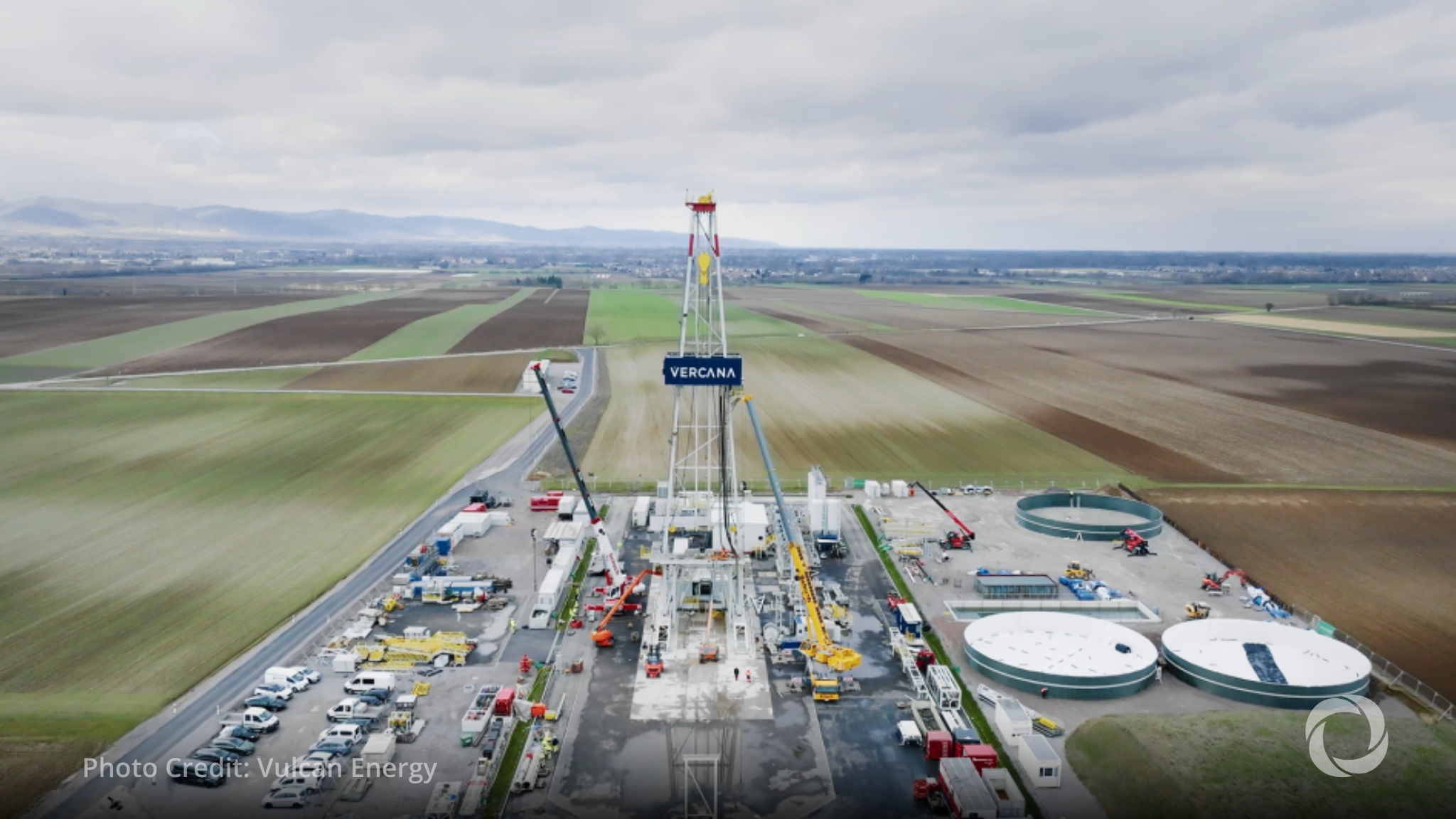
Germany’s Vulcan Energy is getting a major boost for its flagship lithium project in the Upper Rhine Valley, with the European Investment Bank (EIB) agreeing a €250 million loan, the bank said. The €2 billion Lionheart Project will tap hot underground brine to produce battery-grade lithium while also generating renewable heat and power. The aim is to cut Europe’s dependence on imported raw materials and support the shift to cleaner transport and industry.
What makes Lionheart stand out is the way it works. Vulcan will use direct lithium extraction from naturally heated brine, avoiding open-pit mines and evaporation ponds. That means lower emissions and a much smaller footprint on the land. EIB Vice-President Nicola Beer called it Europe’s first project to pair this extraction method with renewable energy, saying it “sets a new standard for sustainable lithium” and puts the EU’s Critical Raw Materials Act into practice.
Phase One, spread across Landau and Frankfurt-Höchst, is designed to produce 24,000 tonnes of lithium hydroxide a year—enough for about 500,000 electric cars. Construction should take around two and a half years, with production targeted for 2028. If all goes to plan, Lionheart could cover roughly 12 percent of Europe’s expected lithium hydroxide needs in 2030. Vulcan has already proven the basic process at pilot scale, turning geothermal brine into high‑purity lithium products in its optimization plants.
The project also pipes renewable heat from deep geothermal wells into Landau’s district heating system, cutting fossil fuel use for homes and businesses. Alongside the EIB, a long list of commercial banks and export credit agencies are backing Lionheart, and the German government has chipped in with grants and equity through its raw materials fund. For Europe, this mix of public and private money signals strong faith in geothermal lithium as a way to secure key minerals while keeping climate goals in sight.