
Add us as your preferred source on Google to see more of our content in Search.
 Add to Preferred Sources
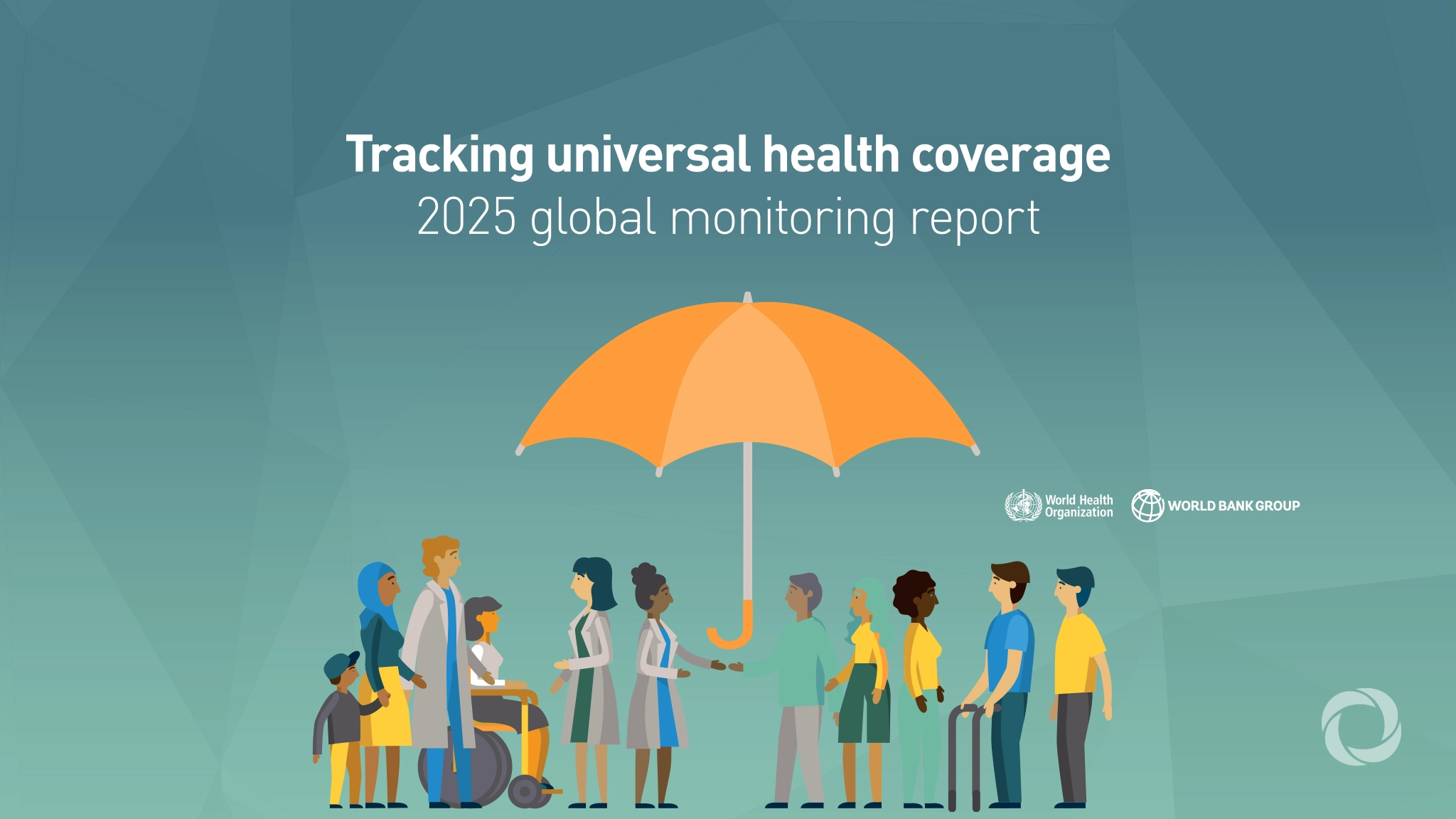
Most countries have made progress on universal health coverage since 2000, but 4.6 billion people worldwide still can’t get essential care and 2.1 billion face financial hardship trying to access treatment, a new World Health Organisation (WHO) and World Bank report found. Health service coverage climbed from 54 to 71 points between 2000 and 2023, while the share of people hit by big out-of-pocket health bills dropped from 34 percent to 26 percent between 2000 and 2022.
The poorest people are taking the hardest hit. Around 1.6 billion have been pushed into or deeper into poverty by health costs. WHO Director-General Dr. Tedros Adhanom Ghebreyesus said universal health coverage should be a basic right, but for billions who can’t access or afford treatment, it remains out of reach. “In the context of severe cuts to international aid, now is the time for countries to invest in their health systems,” he said.
Financial hardship kicks in when a household spends more than 40 percent of its discretionary budget on health. Medicine costs drive much of the pain—in three-quarters of countries with data, medicines eat up at least 55 percent of people’s out-of-pocket health spending. For people living in poverty, that figure hits 60 percent, pulling money away from food, housing, and other basics. Better-off families in middle-income countries are also feeling the squeeze as health expenses climb.
Without faster action, full coverage without financial pain won’t happen for most people. The global Service Coverage Index is only expected to reach 74 out of 100 by 2030, leaving nearly one in four people facing financial hardship when the Sustainable Development Goals era ends. Progress has slowed since 2015. Only one-third of countries are improving on both fronts—expanding coverage and cutting financial hardship. All WHO regions boosted service coverage, but only Africa, South-East Asia, and the Western Pacific also reduced financial strain. Low-income countries made the fastest gains but still have the biggest gaps.
Most of the jump in health coverage came from better infectious disease programs. Noncommunicable disease coverage crept up steadily, but progress in reproductive, maternal, newborn, and child health has been modest. Better sanitation helped, and economic growth plus stronger social safety nets cut poverty in low-income countries. But health costs are now one of the main reasons poor people stay poor.
In 2022, three out of four people in the poorest groups faced financial hardship from health costs, compared with fewer than one in 25 among the richest. Women, people in rural areas, and those with less education struggle more to get care. Even in Europe, the poorest and people with disabilities report higher unmet needs. These numbers likely miss the real scale of the problem, since displaced populations and people in informal settlements often don’t show up in the data. The report calls for urgent action in six areas: make essential care free at the point of service for people living in poverty, pump more public money into health systems, tackle high out-of-pocket spending on medicines, speed up access to noncommunicable disease services, strengthen primary health care, and use approaches that look beyond the health sector since housing, education, and jobs also shape health outcomes.