
Add us as your preferred source on Google to see more of our content in Search.
 Add to Preferred Sources
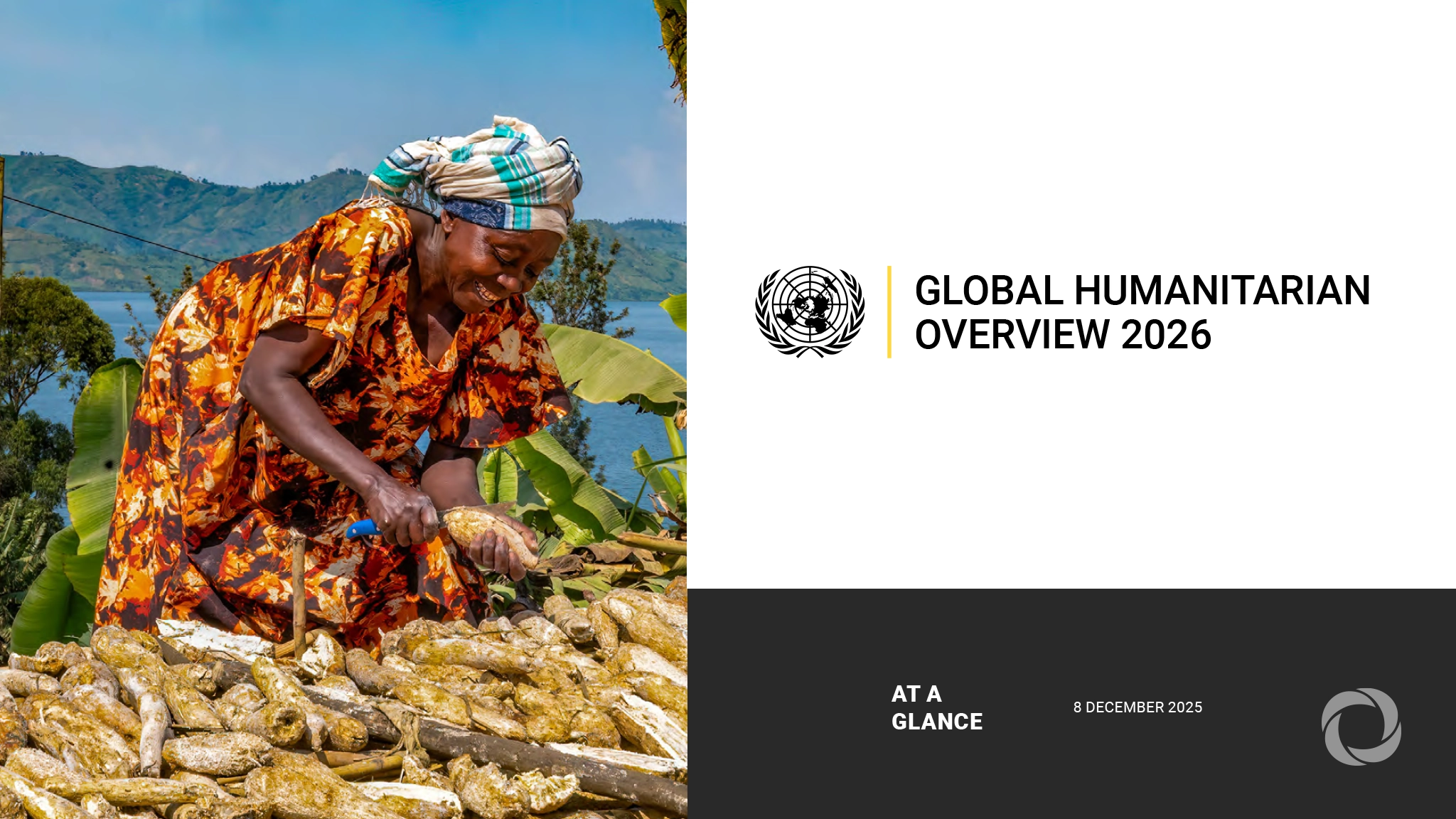
The UN and partners launched a $33 billion global humanitarian appeal today to save millions of lives in wars, climate disasters, earthquakes, epidemics, and crop failures, the Office for the Coordination of Humanitarian Affairs (UNOCHA) said. The immediate priority is to save 87 million lives with $23 billion in funding. The full appeal aims to support 135 million people through 23 country operations and six plans for refugees and migrants in 2026.
UN Humanitarian Chief Tom Fletcher said the appeal focuses on where help is needed most: “life by life.” The Global Humanitarian Overview 2026 is grounded in reform, evidence, and efficiency, he said.
“We’re shifting power to local organizations, putting more money directly into the hands of the people who need it, and behind it all, we are renewing and reimagining humanitarian action with idealism, humility and hope.”
The appeal follows a brutal year when humanitarian lifelines strained and, in some places, snapped due to funding cuts. Funding in 2025 hit $12 billion—the lowest in a decade—and humanitarians reached 25 million fewer people than in 2024. The results were immediate: hunger surged, health systems came under crushing strain, education fell away, mine clearance stalled, and families lost access to shelter, cash help, and protection services. Amid this devastation, civilians faced utter disregard for the laws of war and more than 320 aid workers were killed, the vast majority local staff.
In 2026, the largest individual response plan is for the Occupied Palestinian Territory, where $4.1 billion is needed to reach 3 million people who have faced shocking levels of violence and destruction. In Sudan, the world’s largest displacement crisis, $2.9 billion is needed for 20 million people. The largest regional plan is for Syria at $2.8 billion for 8.6 million people.
Aid groups are concentrating resources where crises are worst while cutting duplication and buying locally to support markets, making sure every dollar works for the people they serve. The UN will now take the appeal to member states and ask for their backing. Countries will also be urged to use their influence to increase protection of civilians, including humanitarians, in armed conflict by holding perpetrators—and those arming them—to account. “I will then share the amounts committed and answer a simple question: did governments show up?” Fletcher said. “The answer will define who lives and who falls through the cracks.”