
Add us as your preferred source on Google to see more of our content in Search.
 Add to Preferred Sources
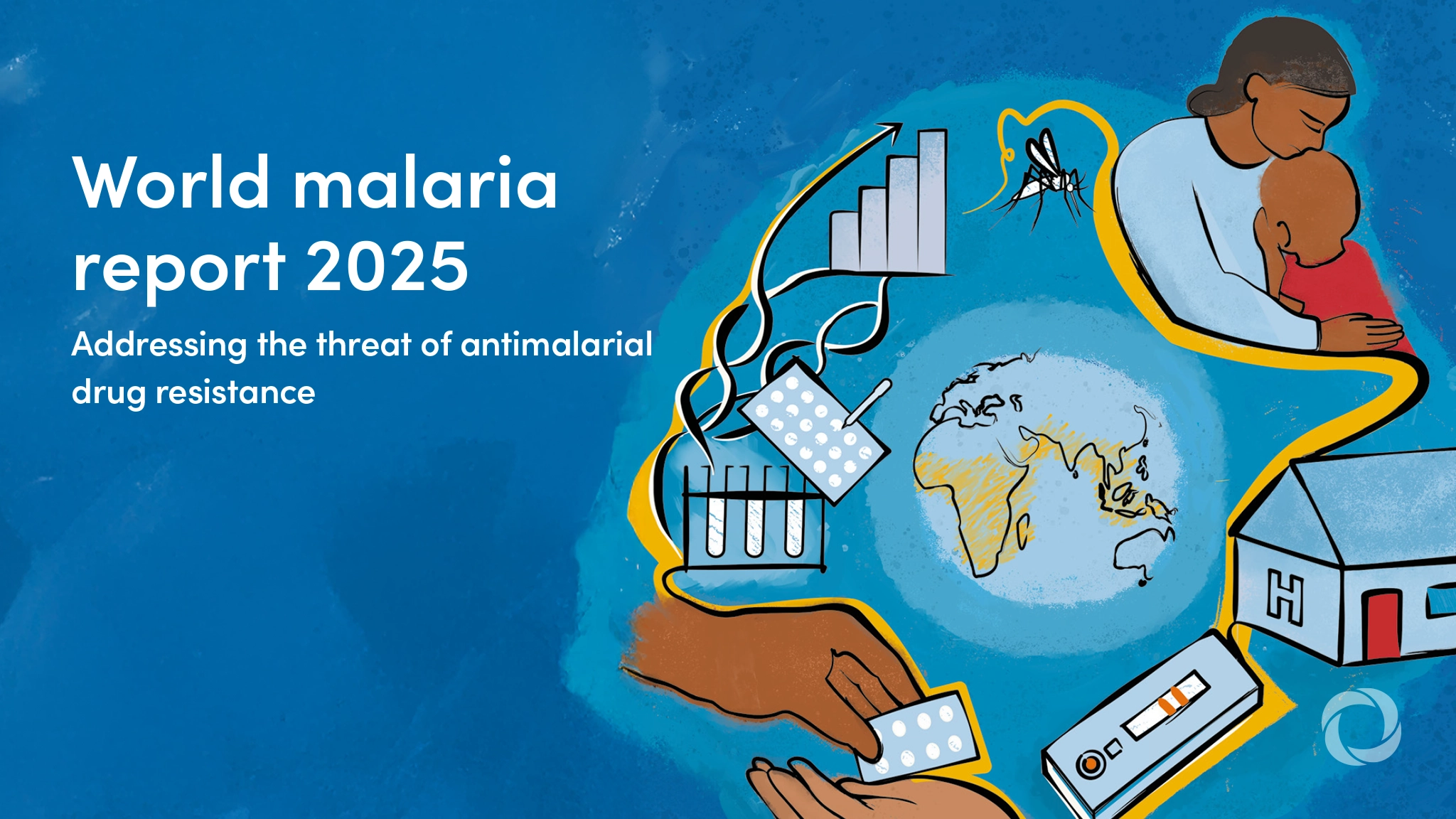
New tools against malaria, including dual-ingredient nets and recommended vaccines, helped prevent an estimated 170 million cases and 1 million deaths in 2024, World Health Organization (WHO)‘s annual World malaria report said. WHO-recommended tools are increasingly being woven into broader health systems. Since WHO approved the world’s first malaria vaccines in 2021, 24 countries have introduced them into routine immunization programs. Seasonal malaria chemoprevention has also been expanded and is now running in 20 countries, reaching 54 million children in 2024, up from about 0.2 million in 2012.
Progress is also being made in eliminating malaria. A total of 47 countries and one territory have been certified malaria-free by WHO—Cabo Verde and Egypt were certified in 2024, and Georgia, Suriname, and Timor-Leste joined them in 2025. Despite this progress, there were an estimated 282 million malaria cases and 610,000 deaths in 2024—roughly 9 million more cases than the previous year. Around 95 percent of these deaths were in the WHO African Region, with most occurring among children under 5. The report shows that antimalarial drug resistance is growing and stands in the way of achieving malaria elimination.
WHO Director-General Dr. Tedros Adhanom Ghebreyesus said new tools for prevention are giving new hope, but significant challenges remain. “Increasing numbers of cases and deaths, the growing threat of drug resistance and the impact of funding cuts all threaten to roll back the progress we have made over the past two decades,” Tedros said. “However, none of these challenges is insurmountable. With the leadership of the most-affected countries and targeted investment, the vision of a malaria-free world remains achievable.”
The World malaria report spotlights evidence on partial resistance to artemisinin derivatives, which became the backbone of malaria treatments after failures of chloroquine and sulfadoxine-pyrimethamine. Antimalarial drug resistance has now been confirmed or suspected in at least 8 countries in Africa, and there are potential signs of declining efficacy of the drugs that are combined with artemisinin. Progress in reducing malaria deaths—a key target of the Global technical strategy for malaria 2016-2030—remains far off track. In 2024, there were 610,000 deaths, corresponding to 13.8 malaria deaths per 100,000 population, more than 3 times the global target of 4.5 deaths per 100,000.
This year’s report underscores a growing array of risks to malaria elimination efforts beyond drug resistance. Malaria parasites with pfhrp2 gene deletions remain prevalent, undermining the reliability of rapid diagnostic tests, while confirmed pyrethroid resistance in 48 countries is reducing the effectiveness of insecticide-treated nets. At the same time, Anopheles stephensi mosquitoes—resistant to many commonly used insecticides—have now invaded 9 African countries, posing a serious challenge to urban malaria control efforts.
Beyond biological threats, extreme weather events are also contributing to increased outbreaks. Changes in temperature and rainfall are altering habitats for mosquitoes and thus transmission patterns. Conflict and instability in affected regions are leading to widespread disruptions of health services, limiting access to care and delaying timely diagnosis and treatment. The challenge is further exacerbated by the plateauing of global funding over the last decade, limiting the reach of life-saving interventions. In 2024, $3.9 billion was invested in the malaria response, yet it reached less than half of the 2025 funding target of $9.3 billion set by the Global technical strategy.
Recent reductions in Official Development Assistance have severely disrupted health systems, weakening routine surveillance and forcing the cancellation or postponement of most planned malaria surveys. These cuts have also heightened the risk of stock-outs and delays in malaria intervention campaigns, undermining program impact. Dr. Martin Fitchet, CEO of Medicines for Malaria Venture, said the report is clear: drug resistance is advancing. “Our response must be equally clear—new medicines with new mechanisms of action,” Fitchet said. “The development of the first non-artemisinin combination therapy, Ganaplacide–Lumefantrine, is proof that this is possible, and it represents the beginning of a new chapter in malaria resilience.”
WHO urges malaria-endemic countries to maintain their political commitments to ending malaria deaths as outlined in the Yaoundé Declaration. Unity and action under the Big Push initiative will help the global malaria community mitigate current and future threats to achieve a malaria-free future.