
Add us as your preferred source on Google to see more of our content in Search.
 Add to Preferred Sources
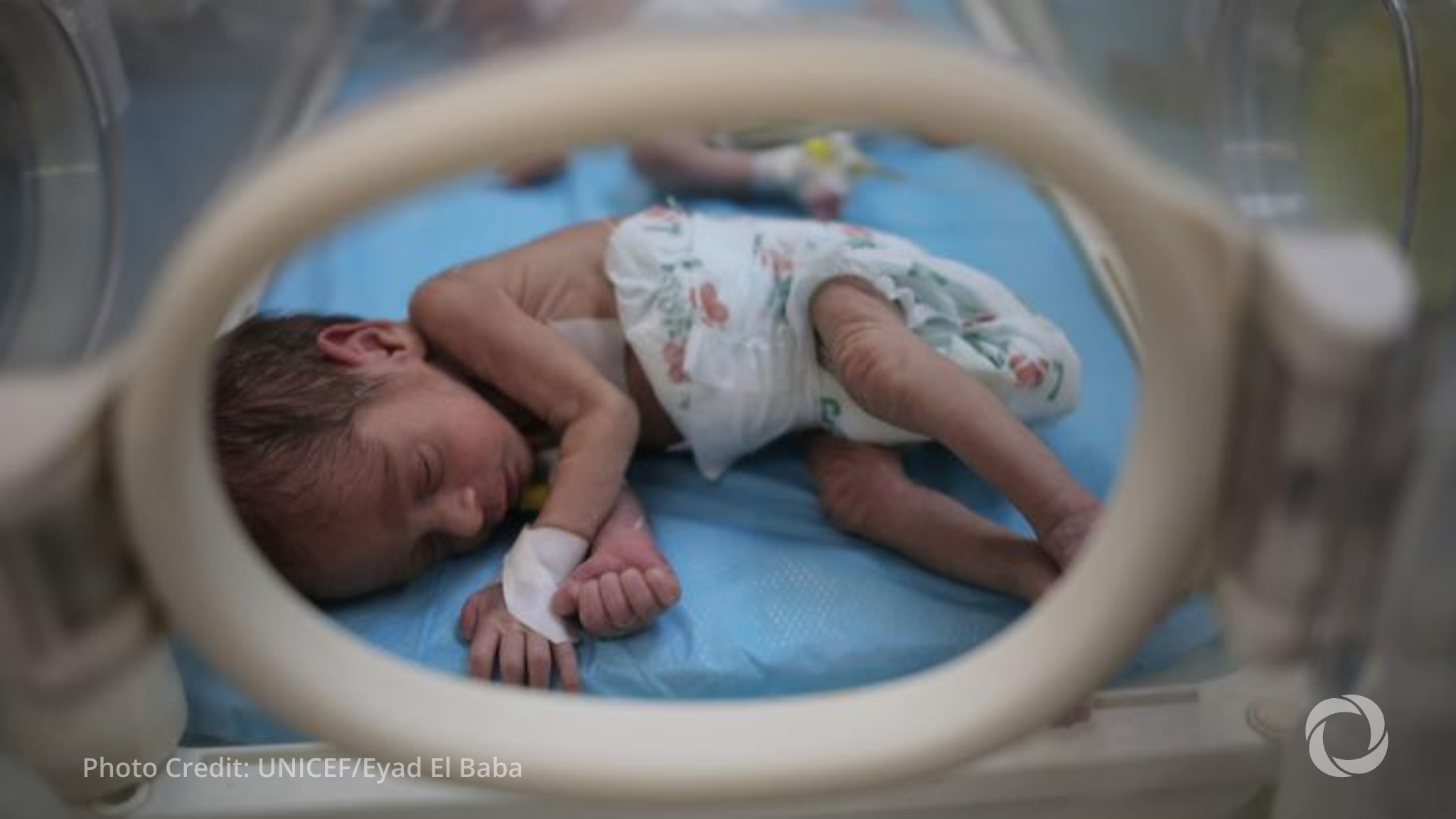
At least 165 children have died painful, preventable deaths related to malnutrition during the war in Gaza, but far less reported has been the scale of malnutrition among pregnant and breastfeeding women and the devastating domino effect on thousands of newborns, United Nations Children’s Fund (UNICEF) said. The pattern is clear—malnourished mothers give birth to underweight or premature babies who die in neonatal intensive care units or survive only to face malnutrition themselves or potential lifelong medical complications.
In 2022, before the war, an average of 250 babies per month—5 percent—were born with low birth weight, or weighing less than 2.5 kilograms, according to Gaza’s Ministry of Health. In the first half of 2025, even with fewer births, more babies were underweight: 10 percent of all births, or about 300 babies per month. In the three months before the ceasefire, from July to September, this surged to an average of 460 babies every month, or 15 a day—almost double the pre-war average.
In Gaza’s hospitals, UNICEF staff met several newborns who weighed less than 1 kilogram, their tiny chests heaving with the effort to stay alive. Low birth weight infants are about 20 times more likely to die than infants of normal weight. They need special care, which many hospitals in Gaza have struggled to provide due to the destruction of the health system, the death and displacement of staff, and impediments by Israeli authorities that prevented some essential medical supplies from entering the Strip.
Data shows the number of babies who died on their first day of life increased 75 percent—from an average of 27 babies per month in 2022 to 47 babies per month between July and September 2025. Not all of this can be traced back to preterm or low birth weight, but alongside rising congenital abnormalities, doctors say it’s a common story. Low birth weight is generally caused by poor maternal nutrition, increased maternal stress, and limited antenatal care. In Gaza, all three are present, and the response is not moving fast enough or at the scale required.
Between July and September, about 38 percent of pregnant women screened by UNICEF and partners were diagnosed with acute malnutrition. Even now, high numbers continue in treatment. In October alone, UNICEF admitted 8,300 pregnant and breastfeeding women for treatment for acute malnutrition—about 270 a day—in a place where there was no discernible malnutrition among this group before October 2023. This pattern is a grave warning and will likely result in low birth weight babies being born in Gaza for months to come.
Two weeks ago, UNICEF staff met Fatma as she was visiting her baby Mohammed in a Gaza City neonatal intensive care unit. Mohammed was born premature and weighing only 1.5 kilograms. Fatma said that unlike her first pregnancy, when she had access to antenatal checkups, vitamins, and nutritious food, “this pregnancy has been full of displacement, lack of food, malnutrition, war and fear.” She was malnourished for three months of the pregnancy, displaced three times, and her young daughter and husband were killed, two months apart, by airstrikes.
UNICEF is responding. The agency is replacing incubators, ventilators, and other lifesaving equipment destroyed—UNICEF delivered 10 ventilators to Gaza in late September, and following the ceasefire, another 20 incubators, 20 ventilators, and 15 patient monitors, among other equipment. Since the ceasefire, UNICEF has provided supplements, including micronutrient supplements, to over 45,000 pregnant and breastfeeding women to prevent malnutrition. The agency has screened over 150,000 children under 5 for acute malnutrition and enrolled over 14,000 in treatment. It is providing breastfeeding counseling for over 14,000 caregivers, as well as mental health and psychosocial support.
UNICEF said it is doing everything in its power to support families, but to improve the response, more aid must enter Gaza, especially aid that strengthens the health of pregnant and breastfeeding women and equips hospitals with everything they need to save lives. This must be supplemented by commercial goods that restock local markets with enough nutritious foods so prices continue to fall. The fear must end, UNICEF said. More than 70 children have been killed in the eight weeks since the ceasefire began. The ongoing attacks and the killing of children must stop immediately. This domino effect—from mother to child—should have been prevented, UNICEF said. No child should be scarred by war before they have taken their first breath, but in Gaza, this brutal reality was caused by the conflict and exacerbated by aid restrictions that depleted hospitals and starved and stressed mothers.