
Add us as your preferred source on Google to see more of our content in Search.
 Add to Preferred Sources
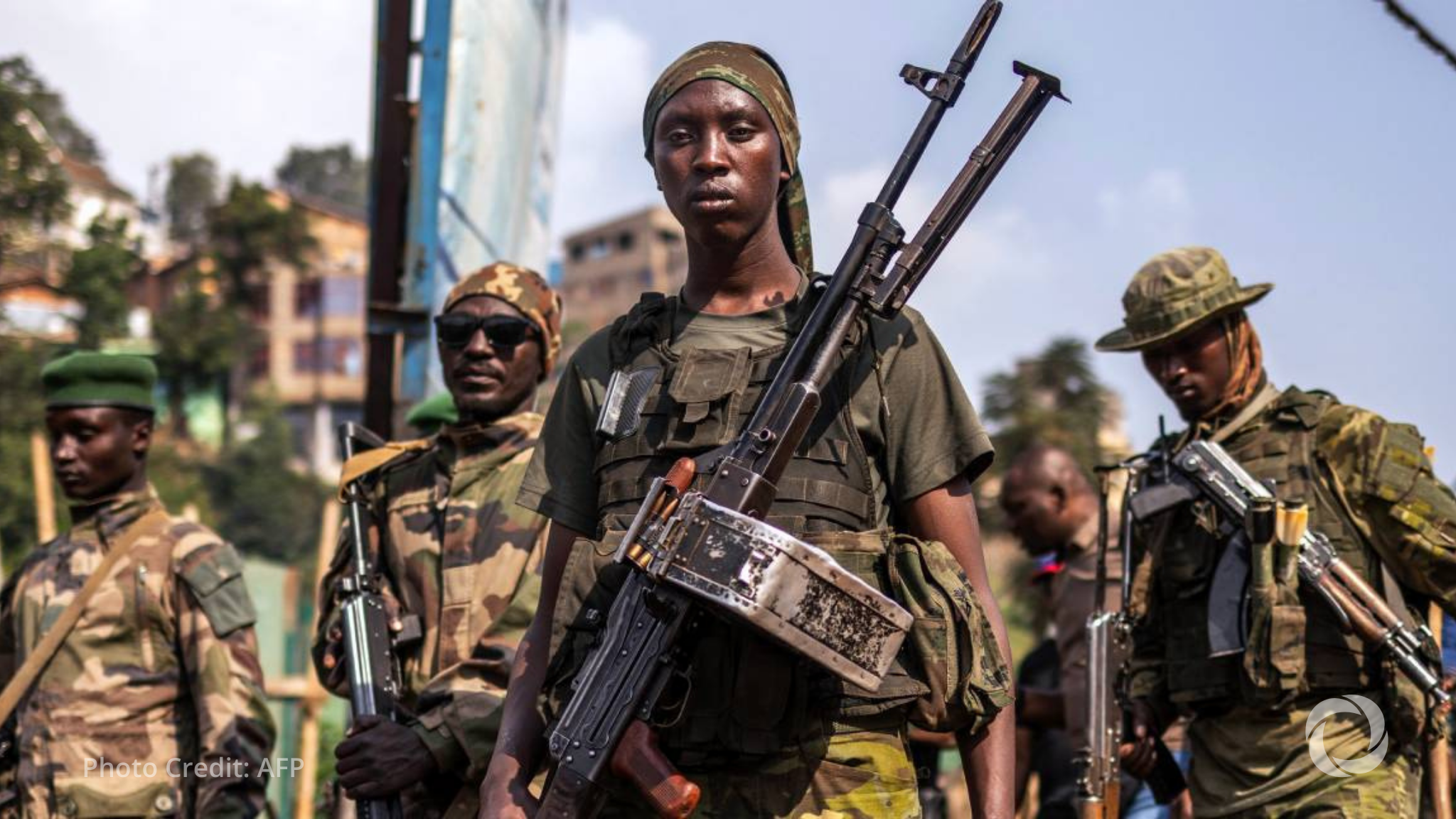
More than half a million people have been forced from their homes by escalating violence in eastern Democratic Republic of the Congo, the United Nations (UN) said, warning that the M23 rebel offensive is driving a rapidly worsening humanitarian emergency.
UN Deputy Spokesperson Farhan Haq said Secretary-General António Guterres was “deeply alarmed” by the surge in attacks across South Kivu, where the Alliance Fleuve Congo/Mouvement du 23 mars has pushed into several towns since 2 December. The UN and Security Council have repeatedly described the majority-Tutsi M23 militia as backed by Rwanda, but Kigali has consistently denied it.
Guterres said the escalation “risks seriously undermining efforts to achieve a sustainable resolution of the crisis and increases the risk of a broader regional conflagration.” Dozens of civilians have been killed and many more injured in Kamanyola, Luvungi, Katogota, and Uvira, triggering mass displacement. Guterres called for an “immediate and unconditional cessation of hostilities,” urging all parties to honor commitments made under the peace accords signed by DRC and Rwanda leaders in Washington on 4 December and the Doha Framework Agreement reached in November.
The UN aid coordination office said new assessments show more than 500,000 people have been displaced in just over a week, a dramatic jump from earlier estimates. While some families have returned to areas where fighting has briefly stopped, most remain in overcrowded sites where the risk of cholera, mpox, and other disease outbreaks is rising fast. In the key town of Uvira—reportedly overrun by M23 fighters on Wednesday—the situation was relatively calm on Thursday, though sporadic gunfire continued in several neighborhoods. Radio Okapi, run by UN peacekeeping mission MONUSCO, reported that the city’s streets were deserted, the border crossing with Burundi closed, and residents sheltering indoors.
Hospitals are struggling. Uvira’s main referral hospital is receiving a steady flow of wounded patients, including more than 60 transferred after Ruzizi Hospital shut down due to insecurity. On Wednesday, an explosion in Uvira’s Kimanga neighborhood killed two civilians and injured three others. More than 27,000 people have fled into Tanganyika Province since 8 December, arriving in Kisongo, Kabimba, and along the shores of Lake Tanganyika.
The violence has also pushed people across borders. An estimated 50,000 have crossed into Burundi, where conditions at makeshift sites remain “very precarious,” according to OCHA. Many refugees—mostly women and children—are exhausted, injured, and in urgent need of shelter, food, water, sanitation, and protection. More arrivals have been reported in Rwanda, where UNHCR is helping with registration, health and nutrition services, hot meals, and child protection at the Nyarushishi Transit Centre.
The latest surge comes after one of the most volatile years in eastern DRC in recent memory. Fighting between Congolese armed forces, local militias, and M23-aligned fighters intensified sharply earlier this year, culminating in the fall of Goma in January and repeated waves of displacement across North and South Kivu. UN Special Envoy for the Great Lakes Region Huang Xia said the newest escalation “seriously undermines prospects for a durable settlement” and risks igniting broader regional tensions. He urged all armed actors to step back and allow rapid, unhindered humanitarian access.