
Add us as your preferred source on Google to see more of our content in Search.
 Add to Preferred Sources
About 8 million babies were born into conflict and climate disasters in 2025, with many mothers delivering in tents, damaged facilities, or disaster-hit communities, Save the Children said, citing new analysis of UN data in a recent statement. According to the organization, an estimated 7.7 million children – around 23,000 each day – were born into 43 humanitarian crises worldwide by the end of November, almost 10% more than in 2021. The child rights agency warns that these babies are starting life amid severe risks to their health and survival.
The analysis shows that about seven in ten of these newborns were born into, or fleeing, conflicts such as those in Sudan and Gaza, where collapsing health systems, hunger, and chronic stress threaten mothers and infants. In 2024, the number of children living in conflict zones reached a record 520 million. At the same time, many crisis-affected countries also face intensifying climate shocks, forcing pregnant women to move through floods, heatwaves, and displacement in search of safe delivery care.
Save the Children is urging world leaders and policymakers to increase and protect funding for maternal, newborn, and child health, and to invest in recruiting, training, and retaining health workers, particularly midwives, nurses, and community health staff. The organization highlights cases like Shekinah*, a mother of four in Goma, Democratic Republic of Congo, who received free emergency caesarean care at a partner hospital after conflict and poverty left her unable to pay. “If I didn’t have this assistance, I was going to die, because I had neither the money nor the ability to have this child,” she said.
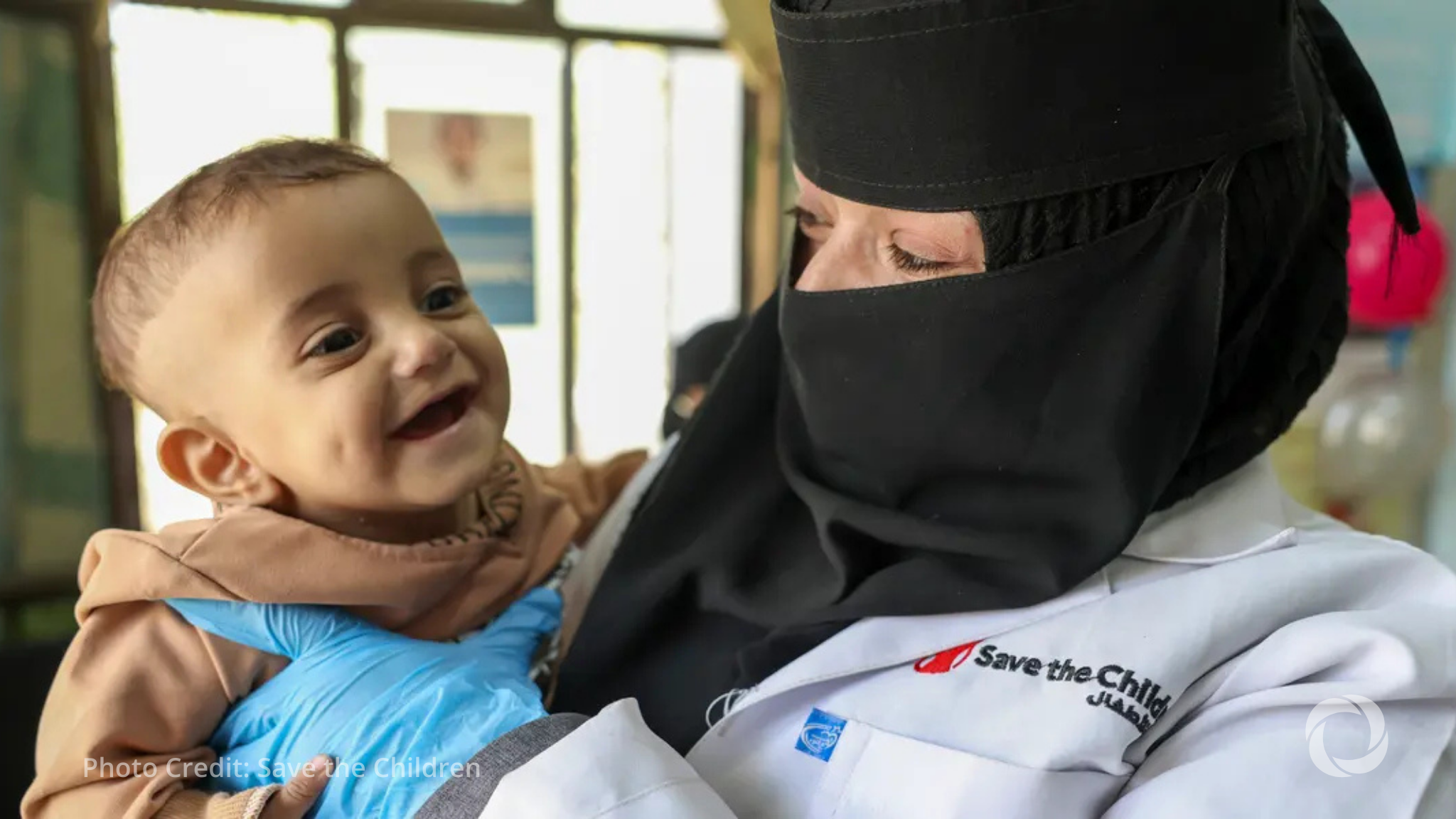
In Yemen, where more than a decade of war and economic collapse has created one of the world’s worst humanitarian crises, an estimated 1,800 babies were born into the crisis each day this year amid aid cuts that have forced agencies to scale back life-saving services. Murad*, an eight-month-old boy from Taiz, developed severe acute malnutrition after his mother, Fatima*, could not afford enough food during pregnancy as the family’s income dried up. After referral to a Save the Children-supported health centre for therapeutic feeding and medical care, his condition improved and he continues to recover. “Now everything has changed, and we can barely meet our basic needs,” Fatima said, recalling how Murad “grew weaker day after day” before treatment.
Abraham Varampath, Save the Children’s head of health, nutrition and water, sanitation and hygiene, said that on any given day, thousands of babies are born “in some of the world’s worst crises, born in under-equipped hospitals in health systems shattered by attacks and restrictions… while mothers in places hit by floods and heatwaves are forced to make perilous journeys to seek a safe place to deliver.” He stressed that most newborn and maternal deaths are preventable with skilled birth support and quality care, and warned that aid cuts risk children’s lives “from their first moments.” Save the Children is calling on the international community to take urgent political action to tackle the conflicts and climate emergencies that are destroying health systems, uprooting families, and cutting mothers and children off from food, healthcare, and nutrition.