
Add us as your preferred source on Google to see more of our content in Search.
 Add to Preferred Sources
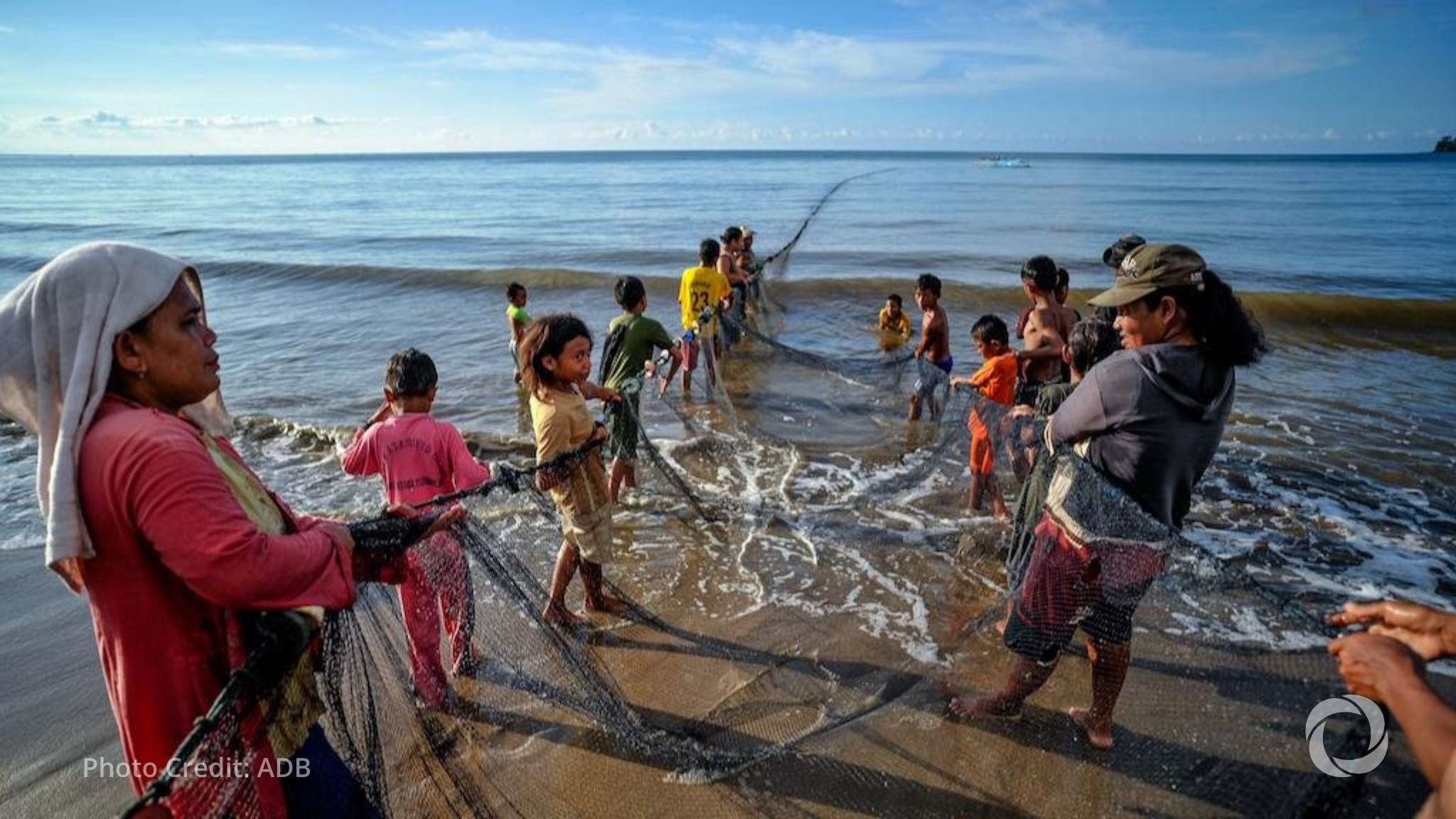
The Nordic Development Fund (NDF) is putting EUR 8.5 million into the Ocean Resilience and Coastal Adaptation Trust Fund, a joint effort with the Asian Development Bank to help coastal communities in Asia and the Pacific deal with climate change, the fund announced. Set up in 2023, ORCA works to improve ocean health, build up the blue economy, and make coastlines more resilient. The fund has EUR 19 million lined up through 2030, and that’s expected to grow as more donors come on board.
Oceans cover more than 70% of the planet and feed over 3 billion people. In Southeast Asia, they’re central to both culture and survival. But the region’s oceans are in bad shape. Waters are warming, plastic waste is everywhere, and overfishing and badly managed tourism are making things worse. The Ocean Health Index ranks Southeast Asia and Southern Africa among the worst regions for ocean health worldwide.
Asia produces 63% of the world’s mismanaged plastic waste. The Philippines and Indonesia are two of the biggest sources of ocean plastic pollution on Earth. Global plastic production has doubled since 2000 to 460 million tonnes a year, but only a tiny fraction gets recycled. Between one and two million tons end up in the ocean annually, according to Our World in Data. “Asia is the world’s largest generator of plastic waste… The Philippines and Indonesia are among the top contributors to marine pollution globally, that have decided to address the situation,” said Siv Ahlberg, Program Manager at NDF. Indonesia wants to cut marine plastic debris by 70% by 2025. The Philippines is aiming for zero waste reaching its waters by 2040.
The damage from plastic waste goes beyond what you can see. It kills wildlife, wrecks coral reefs and fishing grounds, hurts tourism, and gets into the food chain through microplastics. When plastic sits in the sun or water, it releases greenhouse gases. With plastic use expected to triple by 2060, getting private money involved is crucial.
“With NDF’s projects and initiatives, we support the sustainable blue economy through specific projects and programs in lower-income countries in the Global South,” said Satu Santala, NDF Managing Director.
NDF has put EUR 63.5 million into ocean and blue economy work so far, mostly as grants to Africa, Asia, and Latin America. The UK is contributing EUR 3.5 million to ORCA, and the Global Environment Facility is adding EUR 7.7 million. Ahlberg pointed out that climate change and plastic pollution feed into each other: “By backing projects through ORCA, we can effectively combat climate change, enhance climate and disaster resilience, and promote environmental sustainability.”