
Add us as your preferred source on Google to see more of our content in Search.
 Add to Preferred Sources
The humanitarian system is at a breaking point. Global need has hit record highs while aid funding has crashed, and World Vision warns that the world’s most vulnerable children are facing a critical moment, the organization said in its latest annual report. The latest Global Humanitarian Overview shows one in five children living in or fleeing war zones, with 239 million people needing help. By late November, funding had only reached $12 billion—the lowest in a decade. Factor in inflation and the real value of aid is much worse, leaving agencies unable to meet the scale of need.
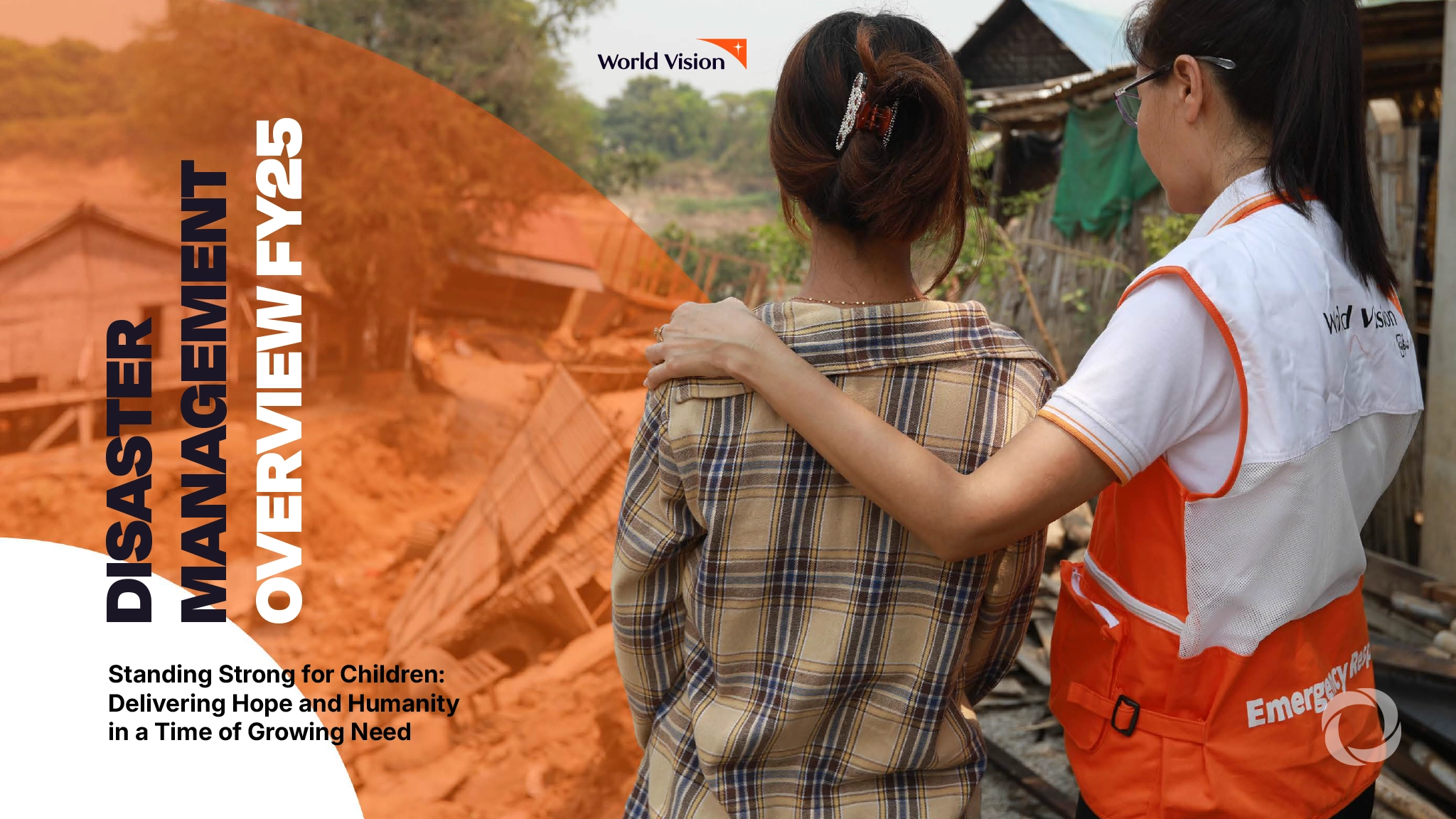
World Vision’s FY25 Global Disaster Management Overview shows the organization reached nearly 36 million people—including 18.6 million children—in 70 countries despite what it calls “the most turbulent period for humanitarian action in decades.” The funding shortfall means tough choices about who gets life-saving support. In 2025, safety nets collapsed for millions. Health clinics shut down, food rations were cut, nutrition programs ended, protection services stopped, cash aid ran dry, water stopped flowing, and shelters crumbled.
“Humanitarian work is under unprecedented pressure. Armed conflict, climate shocks, and displacement are intensifying, while funding gaps are forcing painful choices. Further cuts could leave millions at risk, especially children facing acute food insecurity and displacement,” said Isabel Gomes, Global Lead for Disaster Management at World Vision International.
Despite difficult donor conditions and ongoing wars, World Vision’s local presence and partnerships meant it could respond quickly to 104 emergencies this year. The organization handed out $276 million in cash and vouchers and sent 85% of its food aid to fragile settings. Its biggest and fastest-growing operations are in Sudan, Chad, the Democratic Republic of Congo, Lebanon, and Myanmar, where millions have been forced from their homes.
World Vision keeps working at scale by mixing emergency relief with longer-term development, investing in new ideas, backing local leadership, and holding itself accountable. It overhauled its internal systems to give field teams over 2,700 days of technical backup—changes that let it keep going while many agencies laid off staff and slashed budgets. It also built stronger ties with national partners and faith groups, pushing control closer to the communities it serves.
The report points to new approaches like route-based cash handouts for migrants moving through Latin America and emoji scorecards that let children weigh in on school meals. World Vision developed fresh guidelines on resilience programming and models for tracking child wellbeing that set new benchmarks. Its digital shift—using AI to analyze disasters fast, track supplies in real time, and translate materials—has made operations more efficient and transparent, squeezing more impact from every dollar. Gomes put it bluntly: “The cost of inaction is measured not just in lost lives, but in lost futures. That is why it is critical to shape the future of humanitarian action.” World Vision is calling on partners, governments, donors, and the public to work together so every child has a shot at a decent life, even in the world’s toughest places.