
Add us as your preferred source on Google to see more of our content in Search.
 Add to Preferred Sources
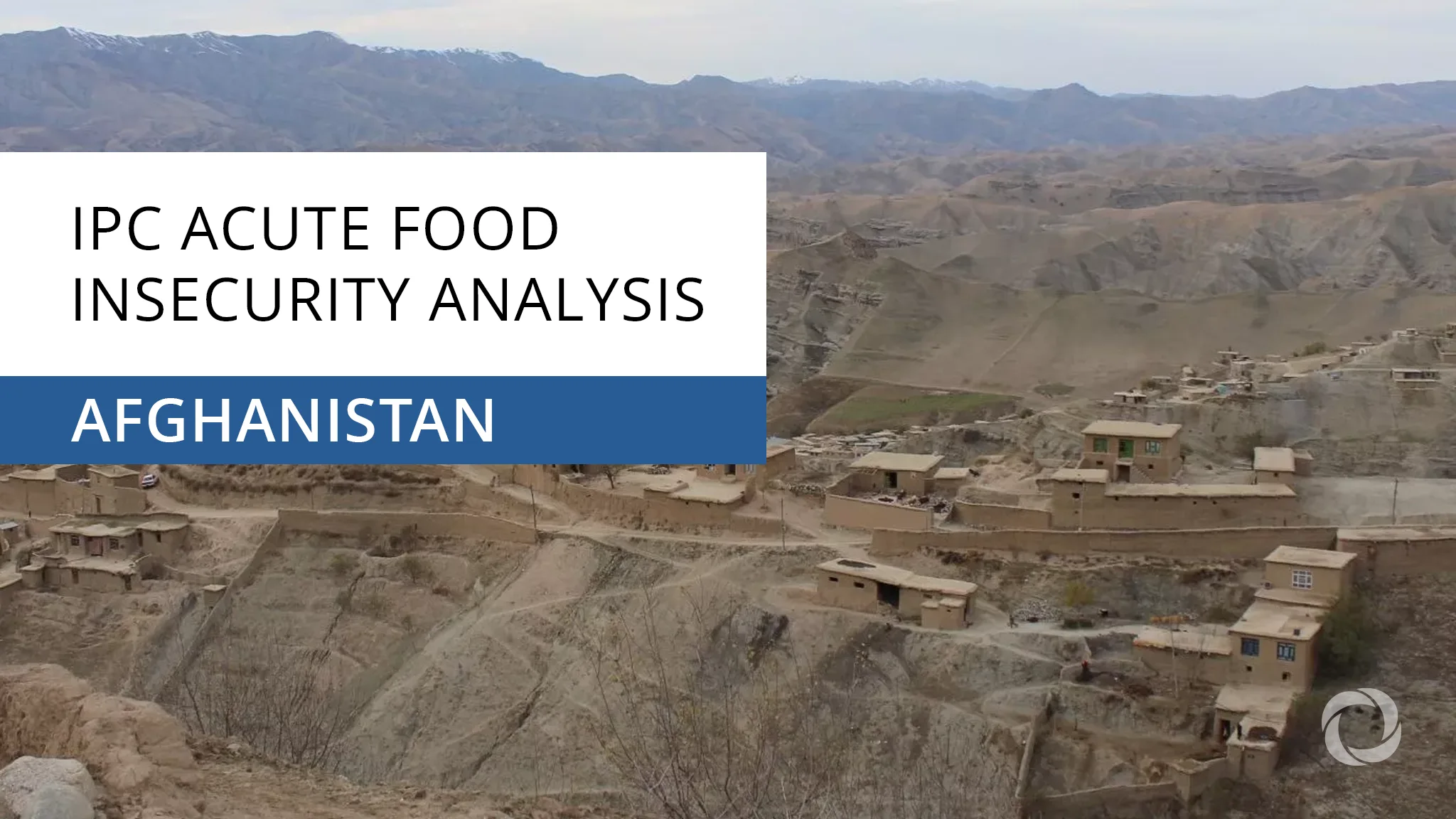
More than 3.7 million Afghan children are suffering from malnutrition—200,000 more than last year—making Afghanistan the fourth worst country in the world for child acute malnutrition, according to an Action Against Hunger report. The report shows that widespread poverty prevents 78% of families from accessing nutritious food for their children, and the crisis will intensify during the winter months when risks are highest. Children with severe acute malnutrition are 12 times more likely to die than healthy children, with 85% of severely malnourished children under two years old.
“No child should die because of hunger,” said Cobi Rietveld, Action Against Hunger’s Afghanistan Country Director. “Today’s report is very worrying: hunger in Afghanistan is worsening, and children are paying the highest price.”
An estimated 1.2 million pregnant and breastfeeding women are also acutely malnourished, raising risks for both mothers and their children.
Afghanistan is facing overlapping crises that make malnutrition prevention and treatment even harder. The country is in its fourth drought in five years, severely affecting crop production. A major earthquake in August caused more than 2,000 deaths and destroyed homes and health facilities in eastern Afghanistan, leaving children particularly vulnerable. These challenges are compounded by ongoing border tensions and the return of over 2.5 million Afghans from Iran and Pakistan in 2025, adding new pressures on families already struggling.
Large-scale funding cuts have made things worse. The required response is only 50% funded, with just $148 million received out of a needed $296 million. These cuts have led to the closure of at least 305 nutrition sites across the country this year. A growing number of families can’t reach the nutrition and healthcare they need because of a shortage of health facilities, restrictions on women’s movement, and constraints on female health workers. Action Against Hunger’s therapeutic feeding unit in Kabul, which treats more than 1,000 children with severe acute malnutrition annually, was forced to suspend operations for a month before finding alternative funding, leaving queues of malnourished children without care.
The IPC identifies the key drivers of the crisis as poverty, disease burden (including 4,000 confirmed measles cases and high rates of diarrhea), poor access to safe drinking water (with more than 50% of people in 24 provinces lacking it), and severely limited healthcare access. Despite funding gaps, Action Against Hunger continues working in six provinces across Afghanistan, treating malnourished children and pregnant mothers and tackling root causes to prevent hunger. Last year, the organization treated over 100,000 children facing malnutrition, including 5,611 facing severe complications and a high likelihood of death without care. “Hunger is rising, but together we can stop it,” said Rietveld. “Children are dying, and we must not let this happen.”