

Add us as your preferred source on Google to see more of our content in Search.
 Add to Preferred Sources
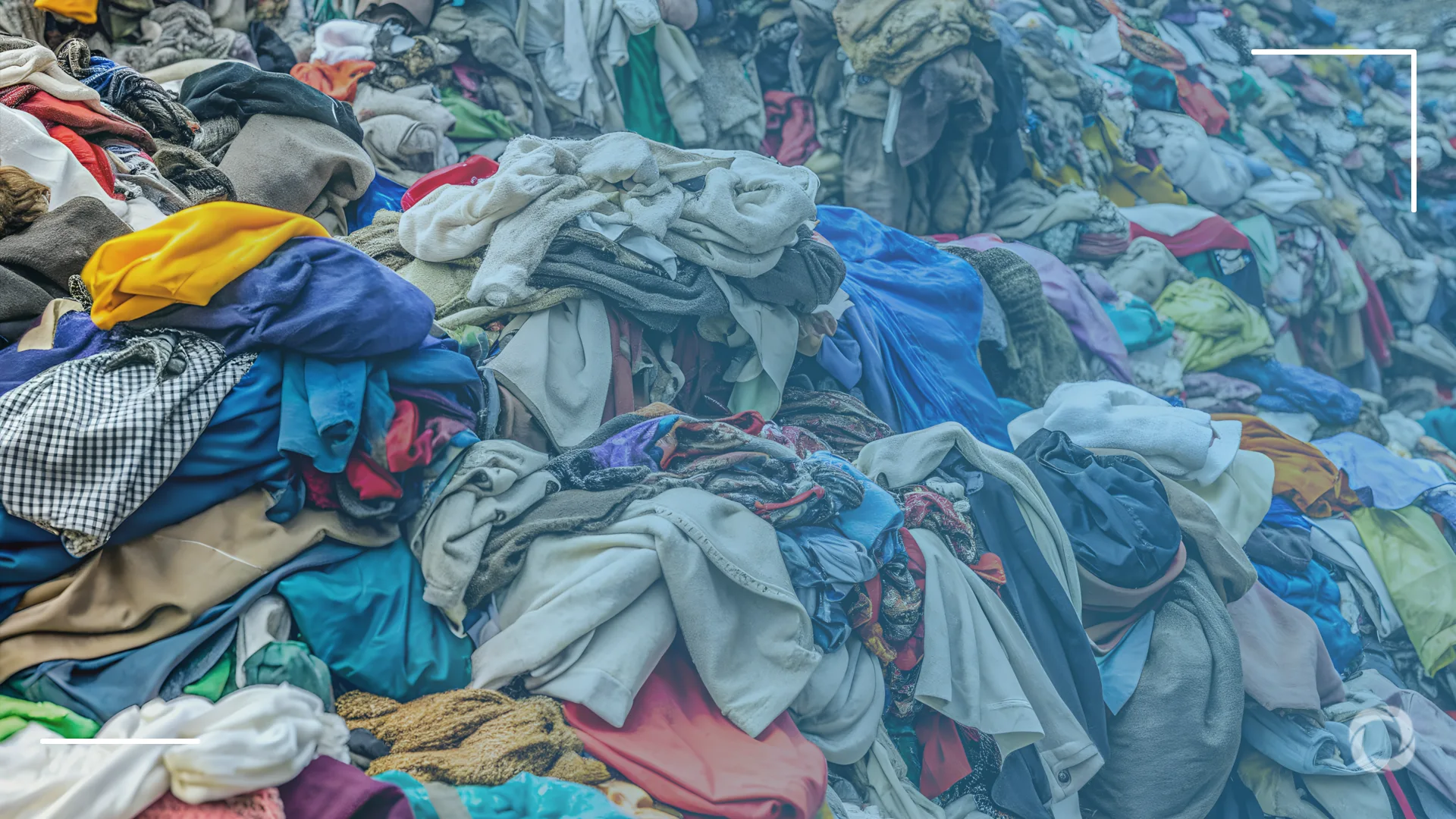
Africa’s textile waste is increasing due to the fast fashion phenomena and massive influx of second-hand clothing. Despite providing affordable options for poorer nations, imported used textiles have a serious environmental impact.
Around 30% of imported second-hand clothing in Africa ends up in landfills, waterways, or is openly burned which pollutes the environment with microplastics and releases greenhouse gases into the atmosphere. An Oxford Economics survey undertaken on second hand clothing retailers in Kenya, Mozambique, and Ghana discovered that almost 55% of informal retailers discard unsuitable garments into clothing dumps (Fig. 1).
How does Africa address the apparently ‘circular’ practice of the fashion industry to give second-hand clothes a second life by exporting it to the continent? We have looked at 10 initiatives that tackle this ‘old-fashioned’ issue in Africa.
Figure 1: Responses from second-hand clothing retailers in Kenya, Mozambique, and Ghana in 2024
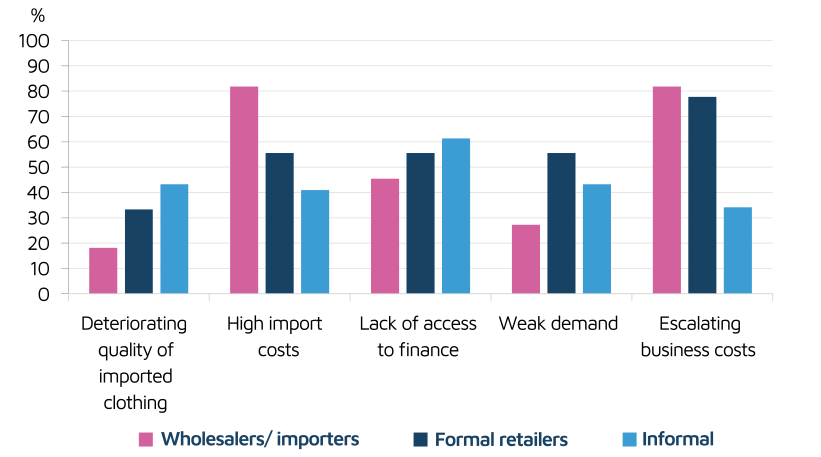
Source: Oxford Economics On-Site Observations
The textile industry accounts for 8-10% of global greenhouse gas emissions due to the high energy demand of its logistics. The effect of the industry on ecosystems is a weakening of the oceans’ ability to absorb carbon, and it also contributes to climate change.
To address the issue, some stakeholders within the fashion and textile industry have turned to circular economy frameworks, strict policy enforcement, and community-based fashion waste collection initiatives. These programs are intended to shift Africa from the status of a giant clothes dumping ground for second-hand textiles to a sustainable fashion innovator hub.
Ten programmes tackling textile and fashion waste in Africa
♻️ Kenya’s Africa Collect Textiles (ACT) Initiative
In 2023, Kenya surpassed Nigeria to become the biggest importer of second-hand clothing in Africa by introducing used clothes with a value of almost US$300 million. The ACT initiative collects used clothes and shoes from landfills through drop-off points and either sorts these for reuse or upcycles them into bags, uniforms, and rugs. The program also provides affordable and subsidized clothing for low-income households via the Mitumba market and through donations to vulnerable street families. This initiative has helped to collect and divert almost 5,431 kg of clothing waste since 2021. It therefore not only mitigates fast fashion waste but also creates employment for youth.
♻️ Uganda’s WasteAid Initiative
This initiative helps the local government to overcome the used clothes data gap by conducting surveys and studies. It also oversees the recycling of textile and clothing waste in landfills and dumpsites to support the local economy. The initiative found that approximately 800,000 kg of textile waste per annum comes from sorting operations. Through survey data, the program is informing the Ugandan government to help 5,000 women and men who rely on selling secondhand garments. The program has also worked with more than 3,000 local tailors and colleges to provide girls with the skills needed to repurpose discarded clothing.
♻️ Refab Africa
Launched in 2025, the Mobile Cloth Bank has been developed in Abuja, Nigeria to promote circular fashion, protect the environment, and create green jobs. The program collects used clothing waste from the public and prevents it from ending up in clothing landfills. Usable garments are upcycled into new, fresh designs, while non-wearable items are repurposed to lengthen their lifecycle.
♻️ The Pan-African Climate Justice Alliance (PACJA)’s Program
The Alliance is implementing a project called “Strengthening Civil Society Engagement for a Just and Sustainable Urbanization (SCEJU)”. This program has trained over 6,000 women and 4,500 youth activists from Kenya’s towns to improve sustainable waste and water management. The PACJA uses a 5 ‘R’ strategy, that is, Refusing, Reducing, Reusing, Repurposing, and Recycling, in advocating for a circular fashion and clothing waste reduction to advocate for environmental justice.
♻️ Planet 3R Social Enterprise Initiative, Nigeria
Launched in 2020, this initiative is transforming textile and plastic waste into eco-friendly products via its approach, ‘Reduce, Reuse, and Recycle’ approach. It collects, sorts, cleans, and shreds plastic from landfills to transform these into finished products like fashion wear and home decor. In addition, the enterprise recycles over 20 tonnes of textile and plastic waste monthly, transforming it into affordable, eco-friendly products for middle-income households.
♻️ Kenya’s Transferring UPMADE Know-how to Kenya Project
This is a 2023-2025 project utilizing Upmade technology to help Kenya’s Rivatex factory to recycle textile waste directly on-site, transforming it into new products. UPMADE gives brands and manufacturers a holistic and transparent view of their material flow. The project has trained 55 seamstresses and five designers on upcycling principles and how to incorporate circular design in textile waste management. By the end of the project, the factory earned UPMADE certification, enabling the production of high-quality products using textile and fashion waste.
♻️ The Or Foundation Programme, Ghana
This is a non-profit organization partnering with Ghana’s Kantamanto textile market (the biggest second-hand clothing market in the world), where more than 15 million garments arrive weekly and more than 40% end up as waste. Through its Tide Turners Cleanup Team, the organization removes over 18 tonnes of clothing dumps from Accra’s beaches every week. It also has Kanta Keepers, a community engagement team with more than 30 members who haul textile waste inside to prevent it from leaking into waterways and dumpsites.
♻️ AfDB’s Fashionomics Africa Initiative
Launched in 2015 by the African Development Bank (AfDB), this initiative provides knowledge about how to develop a sustainable, digital, and circular fashion and textile industry. It has trained over 7,000 fashion entrepreneurs with close to 65% being women in Africa on sustainability, waste-ware practices, and circular design. Through its competitions, Fashionomics has supported brands to upcycle textile and fashion waste, provided small grants of up to US$2,000. Other brands, such as Nigerian Diakwu Cloth, have collected almost 2,000kg of scrap fabric, transforming this into new up-cycled cloth.
♻️ The Revival NGO Programme in Ghana’s Kantamanto Market
Founded in 2018, this program upcycles unsellable textiles around Ghana’s Kantamanto market. In the last two years, it has rescued over 7 million garments from landfill and has the objective of processing at least 12 million garments annually. In partnership, the program has recycled 2 million garments, converting these into jackets, bags, and clothing for local pineapple farmers. Through a US$235,000 grant from the H&M Foundation, the initiative aims to purchase machines to convert textile waste into solid bricks.
♻️ Clothes to Good Initiative, South Africa
This program empowers women and mothers with disabilities to build enterprises by selling recycled clothes. It sources post-consumer clothing from schools and clothing dumpsites for recycling and upcycling. Since its inception in 2011, the program has recycled almost one megaton of pre-loved clothes, supported 172 micro-enterprises and 148 early childhood centers.
Final word
Africa’s textile waste and clothing dumps are surging due to the influx of second-hand clothing and the expansion of fast fashion. To address this issue, local organizations, supported by foundations, multilateral banks, and aid agencies, are establishing and running recycling, reusing, and upcycling enterprises and initiatives. These programs are creating green jobs and empowering local communities.