
Add us as your preferred source on Google to see more of our content in Search.
 Add to Preferred Sources
Famine has been pushed back in Gaza following October’s ceasefire and improved aid access, but UN agencies warn that without sustained support, hundreds of thousands could quickly slip back into crisis, according to a joint statement from the Food and Agriculture Organization (FAO), UNICEF, the World Food Programme (WFP), and the World Health Organization (WHO). The latest food security analysis confirms no areas are currently in famine, but the situation remains extremely fragile as the population grapples with widespread destruction, collapsed livelihoods, and severe restrictions on humanitarian operations.
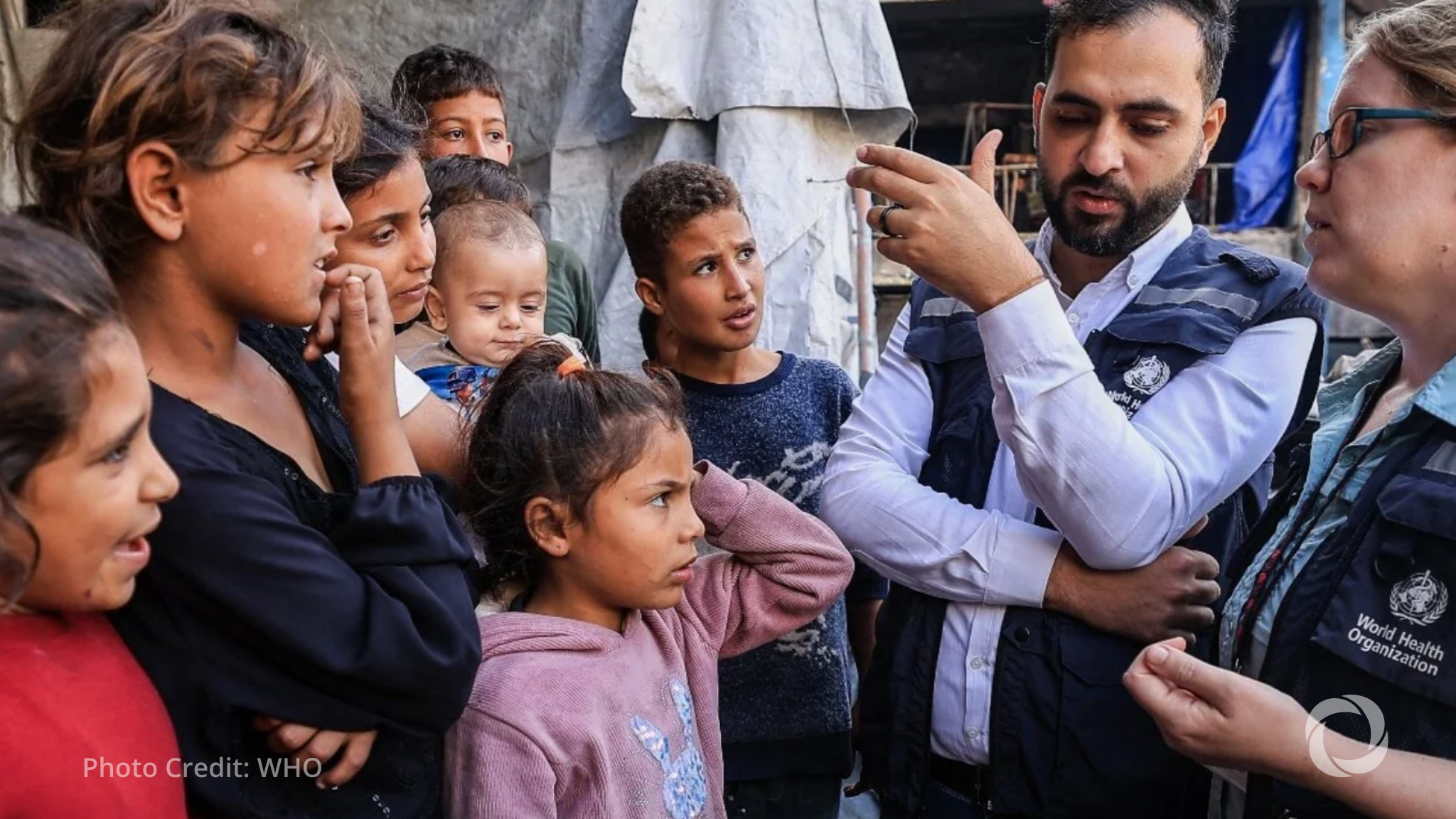
At least 1.6 million people—77% of Gaza’s population—still face high levels of acute food insecurity, including over 100,000 children and 37,000 pregnant and breastfeeding women projected to suffer acute malnutrition through April. Four governorates remain one step below famine, with large food gaps, high malnutrition, and elevated mortality risk. Since the ceasefire, over 730,000 people have been displaced, many living in makeshift shelters and heavily reliant on aid.
Markets now have more food, but most families cannot afford it. Nutritious foods remain scarce and expensive, leaving 79% of households unable to buy food or access clean water. No children are reaching minimum dietary diversity, and two-thirds eat only one or two food groups. Overcrowded shelters, damaged sewage, unreliable water, and families burning trash for warmth are fueling outbreaks of respiratory infections, diarrhea, and skin diseases among children.
FAO, UNICEF, WFP, and WHO say they’re ready to scale up, but restrictions and funding gaps are severely limiting operations.
“Gaza’s farmers are ready to restart food production, but they cannot do so without immediate access to supplies and funding,” said Rein Paulsen, FAO’s Director of Emergencies and Resilience. UNICEF’s Lucia Elmi stressed: “Food is in markets, but families can’t afford it. Health facilities are barely functioning, water is scarce, and winter is bringing more suffering. These fragile gains could vanish overnight if fighting resumes.”
WHO’s Altaf Musani noted that only 50% of Gaza’s health facilities are partially functional.
“Malnutrition remains high, especially among children and women. WHO is supporting seven stabilization centers, but much more is needed. We urgently call for expedited approval and entry of essential medical supplies and equipment.”