
The AI revolution boosting African farmers’ harvests: TomorrowNow CEO on climate resilience and the power of partnerships | Exclusive Interview

Add us as your preferred source on Google to see more of our content in Search.
 Add to Preferred Sources
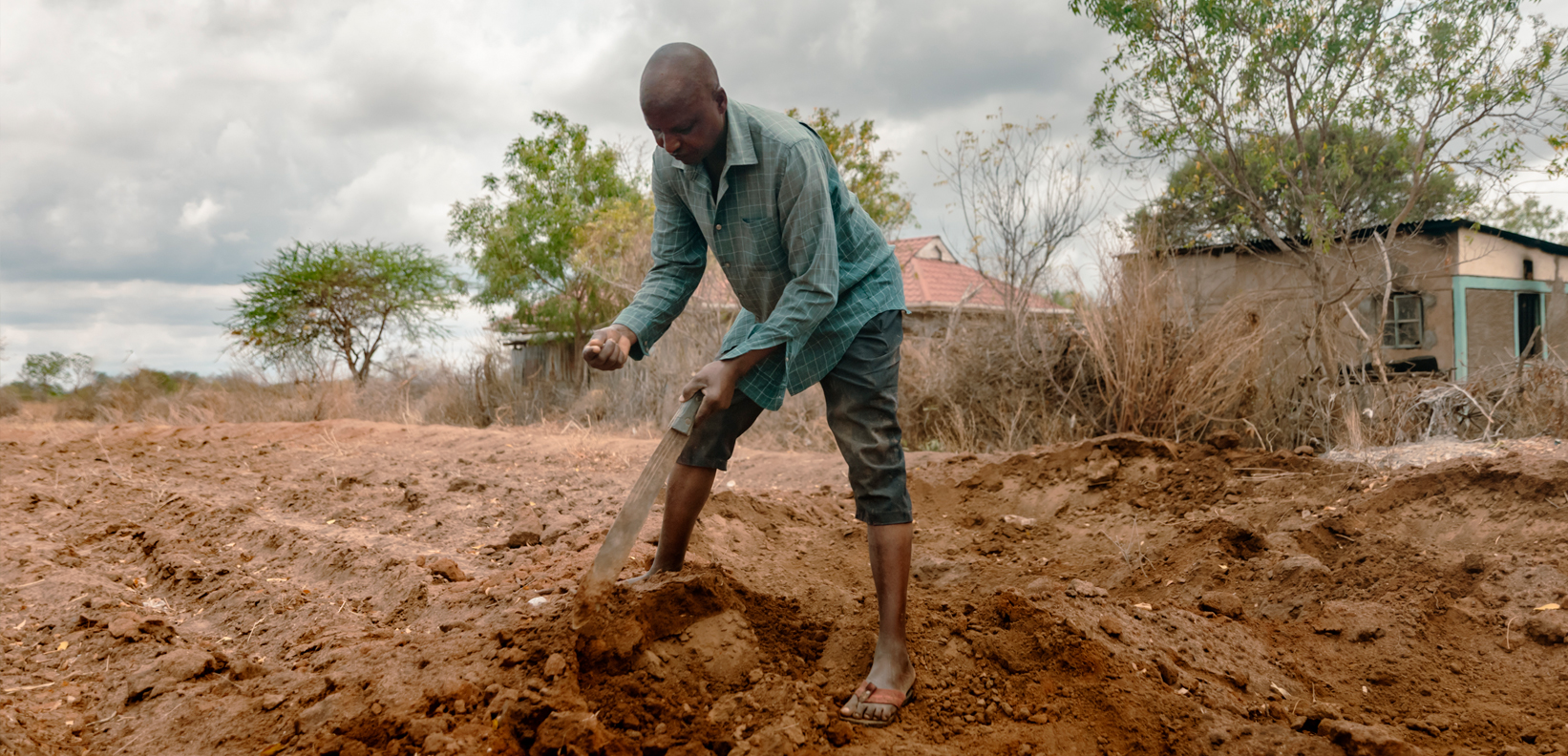
When the rains stopped coming to Machakos in Kenya, smallholder farmer Susan Chemutai feared her two decades of farming were coming to an end. The wife and mother of two sons grows crops and rears animals on 10 acres of land. Over the years, erratic seasons have slashed her maize harvests from 20 bags to barely 7 to 10, leaving little to feed her family, let alone sell.
Everything changed with an SMS.
Today, Susan harvests up to 50 bags of maize from the same plot of land. The figure has increased over time thanks to timely and accurate weather information and farming tips being delivered directly to her phone. She is one of the 5.3 million Kenyan farmers receiving TomorrowNow’s AI-powered agronomic and meteorological (agro-met) advice via the Kenya Agricultural and Livestock Research Organization (KALRO).
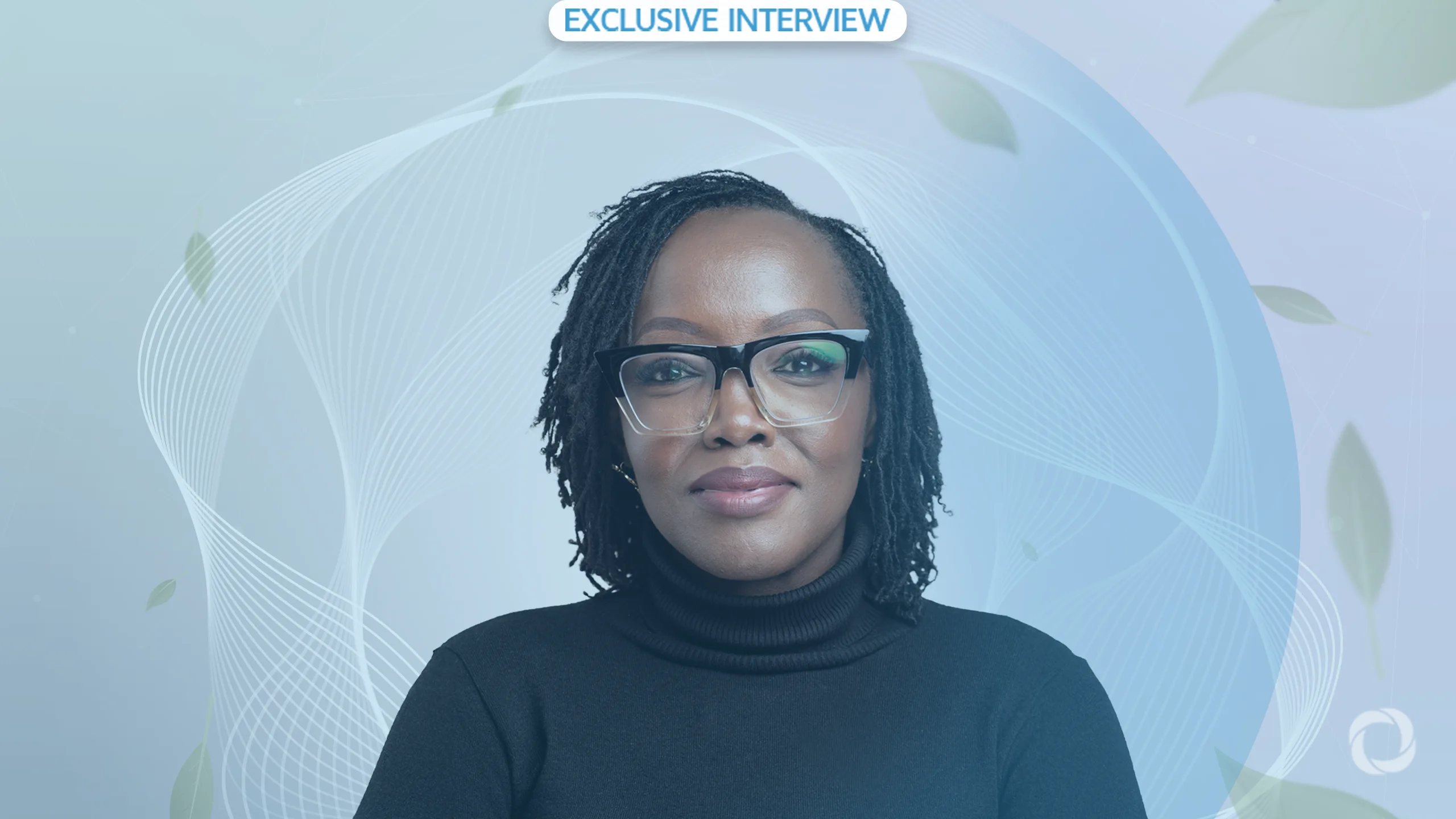
In an exclusive interview with DevelopmentAid, TomorrowNow CEO Wanjeri Mbugua shares how a single text message can potentially double a farmer’s harvest, unpacks the power of agro-met intelligence (combining weather information with practical farming advice), and explains why like-minded partnerships are essential to drive a new era of climate-smart farming.
DevelopmentAid: Which problem was TomorrowNow created to solve?
Wanjeri Mbugua: Some years back, we only had about 43 automatic weather stations in Kenya, and most were located at airstrips and airports, with few located near where farmers live and work. That meant that rural communities were getting forecasts that did not reflect the real microclimate, which differs from region to region. Farmers also began to be uncertain about making critical agricultural decisions as the weather changes started to cause unpredictable season changes.
We wanted to change that. Using satellite data, we began to offer farmers high-quality, localized accurate microclimatic information for them to be able to make agronomic decisions. In Kenya, we started using a nine-kilometer by nine-kilometer radius resolution years back. Our current data set is a four-kilometer by four-kilometer radius, which allows us to capture microclimate variability highly accurately.
But we realized that forecasts alone were not enough. The farmers also signaled there were still gaps as the forecasts did not provide actionable insights. So, we built decision-support tools for each critical stage of agricultural production: seed planting, germination, establishment, flowering, fruiting and maturity. All these are stages when farmers could incur losses if they lack accurate data and information on the right actions to take at that time.
We call this agro-met intelligence: combining weather information with practical farming advice. Relying only on what’s visible in the field often means pests and diseases are spotted too late, when crops are already being lost. With timely advice, farmers can plan when to plant and promptly respond to changes in temperature, rainfall, or humidity — being aware sooner and taking preventive action before any damage sets in.
DevelopmentAid: What does this service look like in a farmer’s daily life? Walk us through a typical day or season.
Wanjeri Mbugua: In countries where we operate, say in Kenya, we access databases for the geolocation data of farmers. We do not get any names or the farmers’ personal identification details. Once we know where the farm is located, we can provide hyper-localized weather information. We couple this weather information with decision tools and transform this into advisory services.
For example, two farmers living just 15 kilometers apart may receive different planting window advice because their rainfall patterns differ. Our recently added planting-window advisory now serves about 15,000 farmers in Kenya.
Most farmers lose about 40% of their crop if they don’t plant it at the right time. I visited farmers in Nakuru in Kenya for a focus group discussion. They explained they previously planted on around March 15th when the rainy season used to start but since the climate has changed so much, they don’t know when to plant.
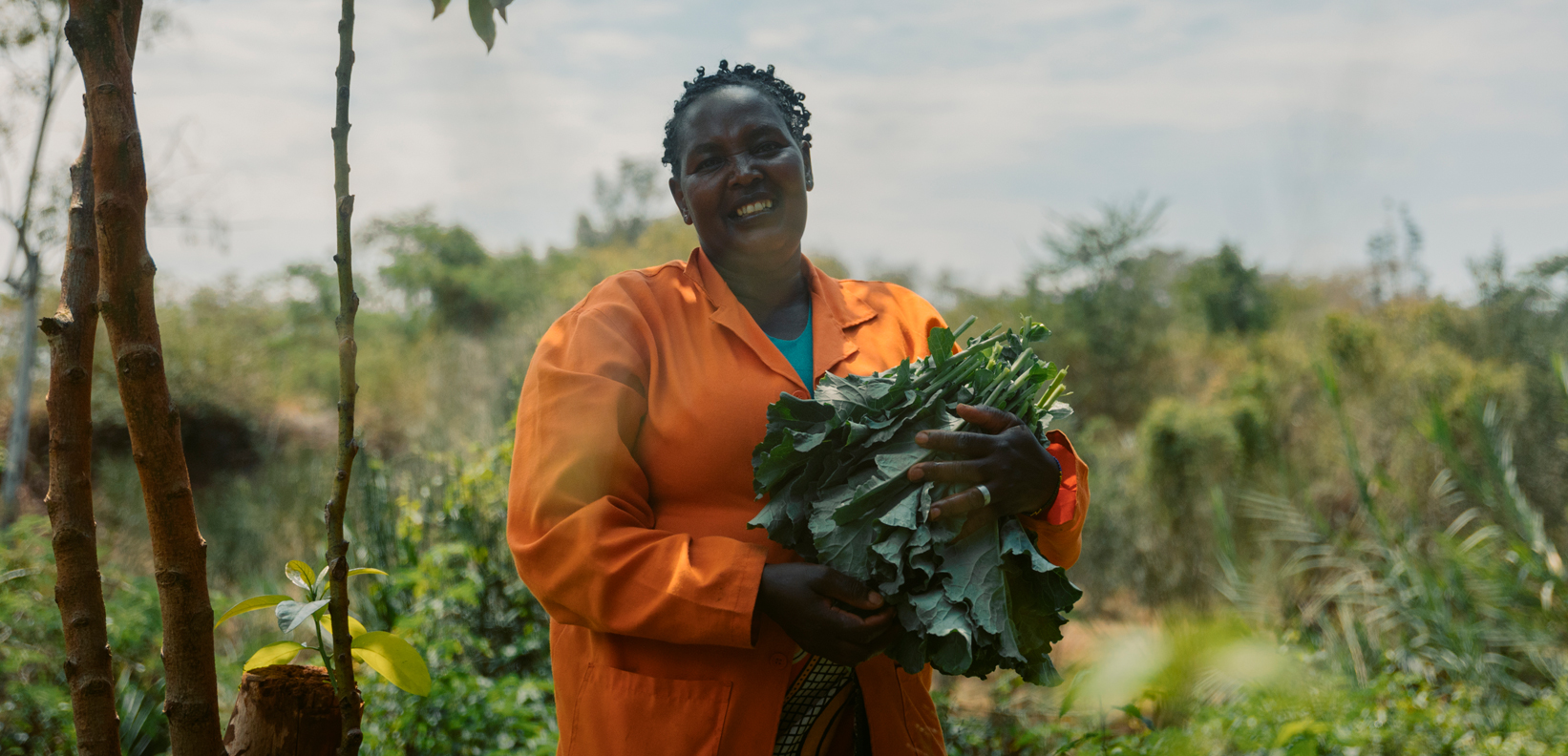
Farmers now receive weekly SMS messages from KARLO, our national partner in Kenya, based on crop stages and the farmers’ locations. We currently cover nine crops in Kenya, including maize, beans, sorghum, millet, potato, cowpeas, and cassava.
DevelopmentAid: How do indigenous and local weather insights factor in?
Wanjeri Mbugua: In Kenya, KALRO’s call center receives farmers’ observations, such as bird movement or wind direction, which represent traditional forecasting methods. While we don’t integrate these signals into our model, we treat this knowledge as valuable context and use it to refine farmer support.
DevelopmentAid: How many farmers use your technology?
Wanjeri Mbugua: We currently only operate in Africa. In Kenya, where we started and have built much of our muscle, we reach about 5.3 million farmers through SMS. About 53% are women and another 25% are youth. We are also scaling the work we do in Malawi, Zambia and Nigeria, and we plan to reach an additional one million next year. Our long-term goal is to reach 100 million farmers, and support them to become resilient and adapt to climate.
DevelopmentAid: What measurable impact have you seen?
Wanjeri Mbugua: In Machakos, one farmer we visited, Susan Chemutai, increased her maize yield from 10 to 50 bags over time on the same plot of land.
Similar improvements have been seen among farmers supported through TomorrowNow’s partnership with One Acre Fund’s Tupande program. Data from a pilot for that partnership involving 5,022 farmers across 837 territories shows that, on average, farmers receiving Dynamic Weather Alerting Service (DWAS) forecasts achieved yields 6.4% higher than comparison groups — rising to 11% when farmers affected by drought or floods are excluded. These results demonstrate how timely, weather-informed advice helps farmers to make better decisions, act earlier, and protect crops from avoidable losses.
DevelopmentAid: Can you share a story that illustrates the difference this technology makes?
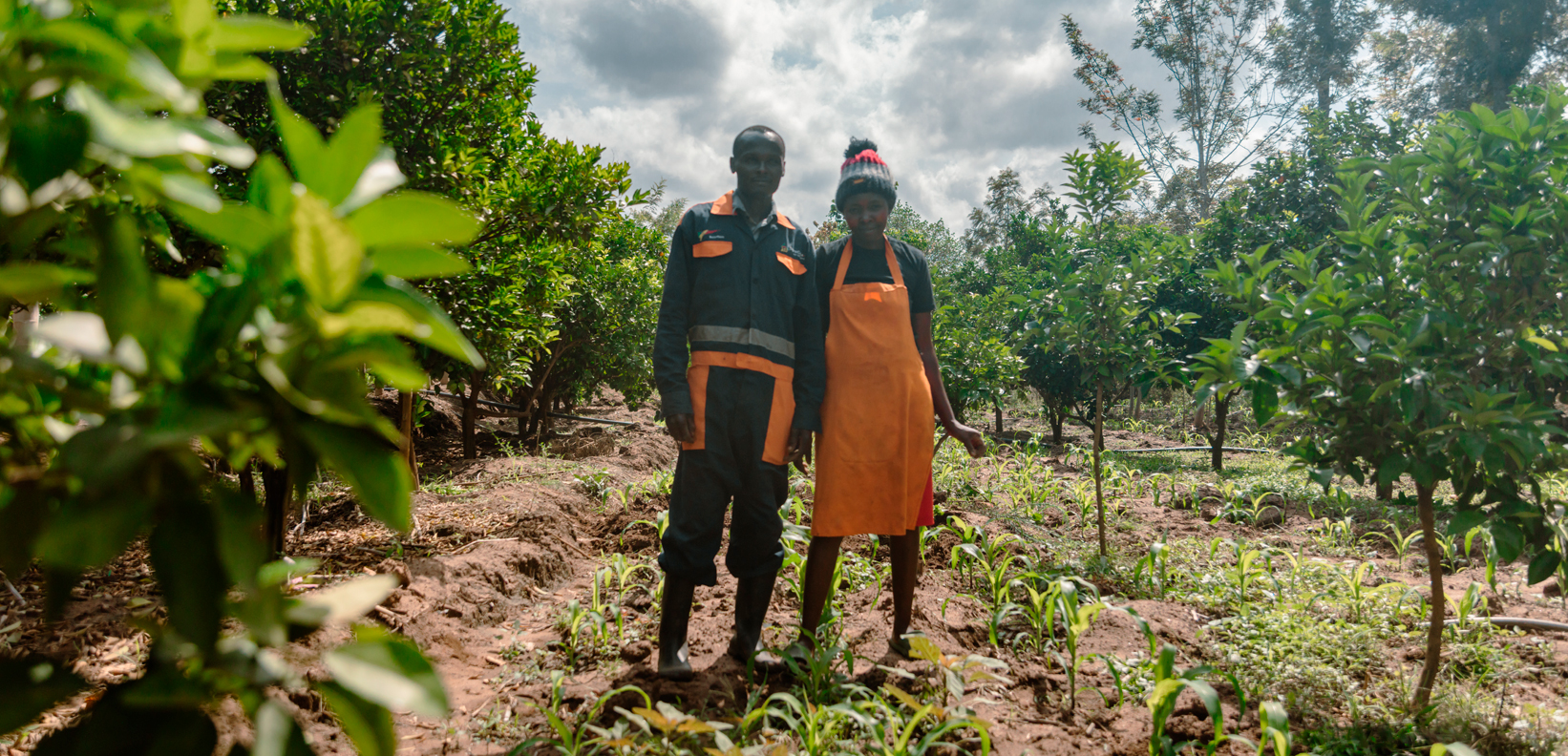
Wanjeri Mbugua: Farmer Euphrasia Masai, who also works as a nurse, received an SMS alert advising her to dig drainage because heavy rain was due. She acted immediately and prevented her almost mature maize crop from being destroyed by flooding. One message saved the harvest of an entire season.
DevelopmentAid: Which barriers still limit adoption and how are you addressing these?
Wanjeri Mbugua: Literacy barriers remain a challenge in many rural communities across Africa, and an SMS alone does not guarantee understanding. That’s why we work through a broader ecosystem — partnering with field agents, extension officers, governments, and private-sector organisations to help to ensure messages are understood and acted upon. While SMS has been an important starting point, we are increasingly translating messages into local languages and exploring additional delivery channels, so that no farmer is excluded.
We also partner with organizations like iSDA, Virtual Agronomist for insights into soil health. This is a service that we do not provide, but our farmers need badly. The iSDA virtual agronomist is able to provide access to soil maps via satellite. What this brings are holistic solutions because you’re now part of an ecosystem and you’re not doing it alone.
Another barrier we see is that farmers are used to relying on traditional knowledge. They’re used to reaching out to neighbors for information. There is nothing wrong with that, because that’s how you build a community and a social life, on this side of the world. So, our goal is not to replace these systems but to layer digital tools onto existing practices.
DevelopmentAid: How important have partnerships, such as with the Gates Foundation, been in scaling and improving the technology?
Wanjeri Mbugua: Crucial. We are funded by the Gates Foundation, the Foreign, Commonwealth & Development Office, Google.org, and NOAA, whose support has been essential to advance our work. The Gates Foundation in particular has played a central role since the early stages of TomorrowNow, enabling us to build and scale our work in multiple countries, now including Zambia, Malawi, and Nigeria.
I often describe our work as first mile and last mile. The first mile involves end-to-end research and development, integrating diverse data sources, validating their quality, and layering decision-support tools to generate accurate, reliable advice. High-quality data is critical – you know “garbage in is garbage out” – so our research and development team rigorously tests and validates multiple data sources before integrating these into our models, ensuring the accuracy and reliability of the underlying data before layering decision tools and translating insights into the advice that ultimately reaches the farmers.
The last mile is when we translate this science into clear, actionable insights that farmers can easily understand and use. To strengthen this last mile, we have cooperated with CGIAR centers, CABI, and the University of Reading to continually validate our models and measure real-world impact. We also run on-farm trials with partners such as Regen Organics to assess whether our planting-window advice can consistently improve yields.
We also partner with the Trans-African Hydro-Meteorological Observatory (TAHMO) that has about 800 automatic weather stations in Africa. By partnering with them, we can correlate the satellite data with ground observations to provide accurate information. The Gates Foundation has provided support to TAHMO to set up an additional 100 weather stations, and we are working together to identify sites in Kenya, Malawi, Zambia, and Nigeria.
DevelopmentAid: As climate shocks intensify, which new features, tools, or data innovations are you planning to introduce?
Wanjeri Mbugua: We are co-developing new AI-powered agro-met products that will help farmers to avoid costly mistakes. For example, a spraying index warns when wind conditions will make pesticide application ineffective or unsafe; fertilizer advice alerts farmers when rainfall could wash nutrients away; and, in partnership with iSDA Virtual Agronomist, a harvest timing tool helps farmers to avoid harvesting when fields are too wet. These tools will be piloted in early 2026.
DevelopmentAid: If you could send one message to governments and donors about climate-smart agriculture for smallholders, what would it be?
Wanjeri Mbugua: With my knowledge and experience, having worked in development for a long time, one of the aspects that I would raise with governments as well as donors is that climate variability is not one of those things that can be addressed without investing in innovations. For a long time, we have focused on yields, on facilitating market linkages, providing investment for businesses, as well as ensuring farmers’ access to inputs, but we have not focused enough on the climate information that farmers need to protect their yields in the first place.
We talk a lot about food security, but we do not focus on why there is no food security, and climate variability continues to bring climate shocks to farmers. Agro-met intelligence should be treated as a core pillar of climate adaptation. It is not the whole solution, but it is an essential part of the ecosystem that can build resilience for smallholder farmers.