
Add us as your preferred source on Google to see more of our content in Search.
 Add to Preferred Sources
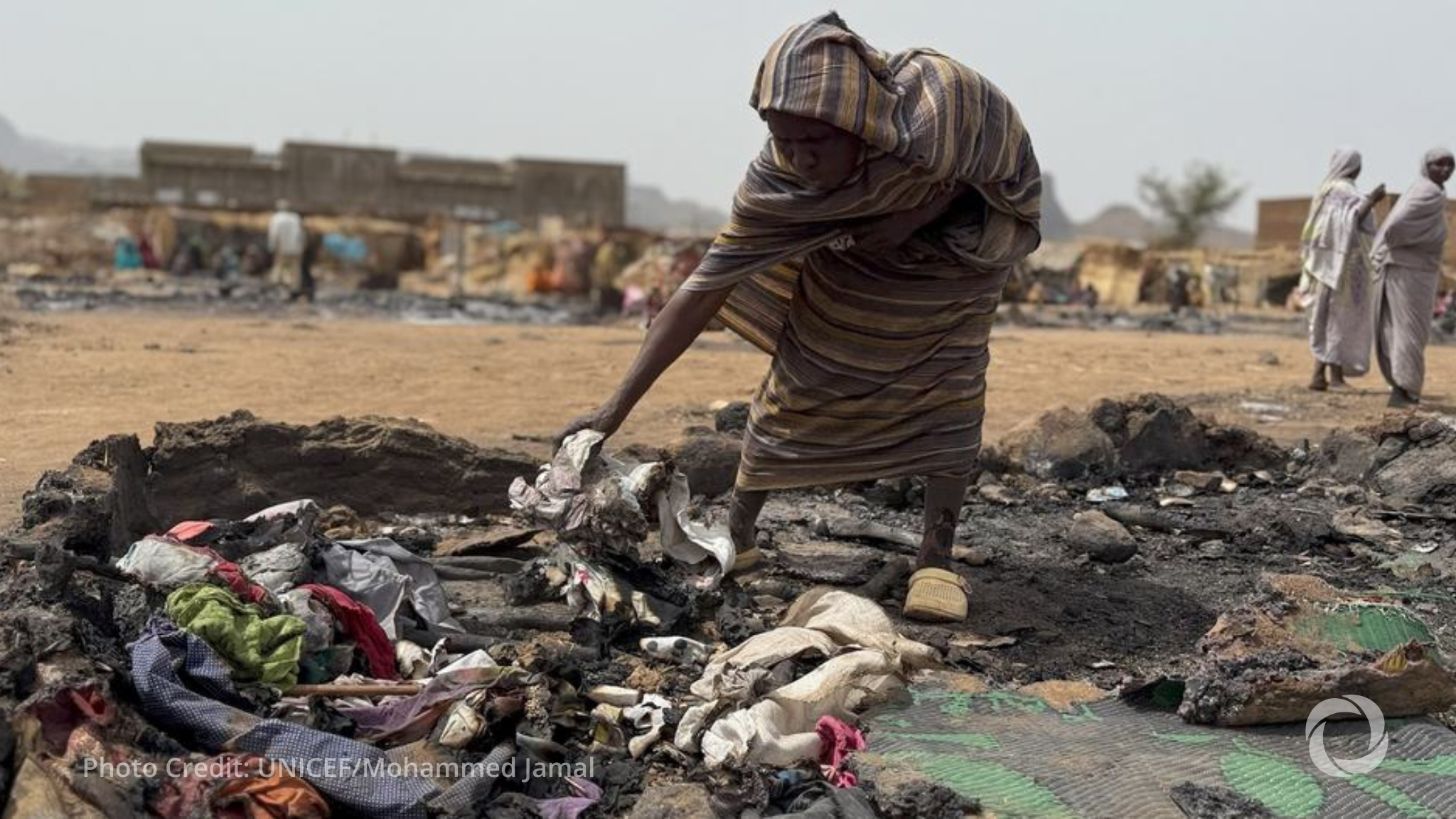
Sudan’s war has become one of the worst humanitarian disasters on earth. Nearly three years of fighting have left millions hungry, displaced, and cut off from basic medical care, according to United Nations (UN) agencies. About 33.7 million people—two thirds of the population—will need help this year. More than 20 million require health services, while 21 million face severe food shortages. Humanitarian access is shrinking, funding has dried up, and the crisis keeps getting worse.
The conflict started in April 2023 when the Sudanese Armed Forces and the Rapid Support Forces turned on each other. Fighting that began in Khartoum has spread to Darfur, Kordofan, and beyond. Infrastructure is wrecked, state institutions have fallen apart, and civilians face constant violence. Ceasefires keep failing, and huge parts of the country remain unreachable for aid workers because of fighting, bureaucracy, and security threats.
Sudan’s health system is barely functioning. Over a third of health facilities have shut down, cutting millions off from care. The World Health Organization (WHO) has confirmed 201 attacks on healthcare since the war began, killing 1,858 people and injuring 490 more. “One thousand days of conflict in Sudan have driven the health system to the brink of collapse,” said Shible Sahbani, WHO Representative in Sudan. “Under the strain of disease, hunger and lack of access to basic services, people face a devastating situation.” Despite the obstacles, WHO has delivered over 3,300 metric tons of medical supplies worth $40 million and helped millions get treatment through hospitals and mobile clinics.
Sudan now has the world’s largest displacement crisis—13.6 million people forced from their homes. About 9.3 million are displaced inside the country, while another 4.3 million fled to neighboring nations. Crowded camps with poor sanitation have sparked outbreaks of cholera, malaria, dengue, and measles. Children make up half of those needing help, according to UNICEF. Eight children were killed in North Kordofan just this week. In North Darfur alone, nearly 85,000 children with severe malnutrition got treatment between January and November 2025—one child every six minutes.
Humanitarian aid can save lives, but it can’t replace peace. “All parties must uphold their obligations under international humanitarian law: protect civilians, stop attacks on infrastructure, and allow safe, sustained and unimpeded humanitarian access,” said UNICEF Regional Director Edouard Beigbeder. Both WHO and UNICEF are calling for safer access to all areas and more funding to prevent the crisis from spiraling further.