
Add us as your preferred source on Google to see more of our content in Search.
 Add to Preferred Sources
Natural disasters cost $224 billion last year, with insurance covering $108 billion, according to United Nations Office for Disaster Risk Reduction (UNDRR) and the global reinsurance company Munich Re. The Los Angeles wildfires were the most expensive single event—30 people died and damages hit $53 billion, with $40 billion insured. But those numbers tell only part of the story. The real costs—to communities, ecosystems, health systems, and future development—keep mounting long after the fires are out.
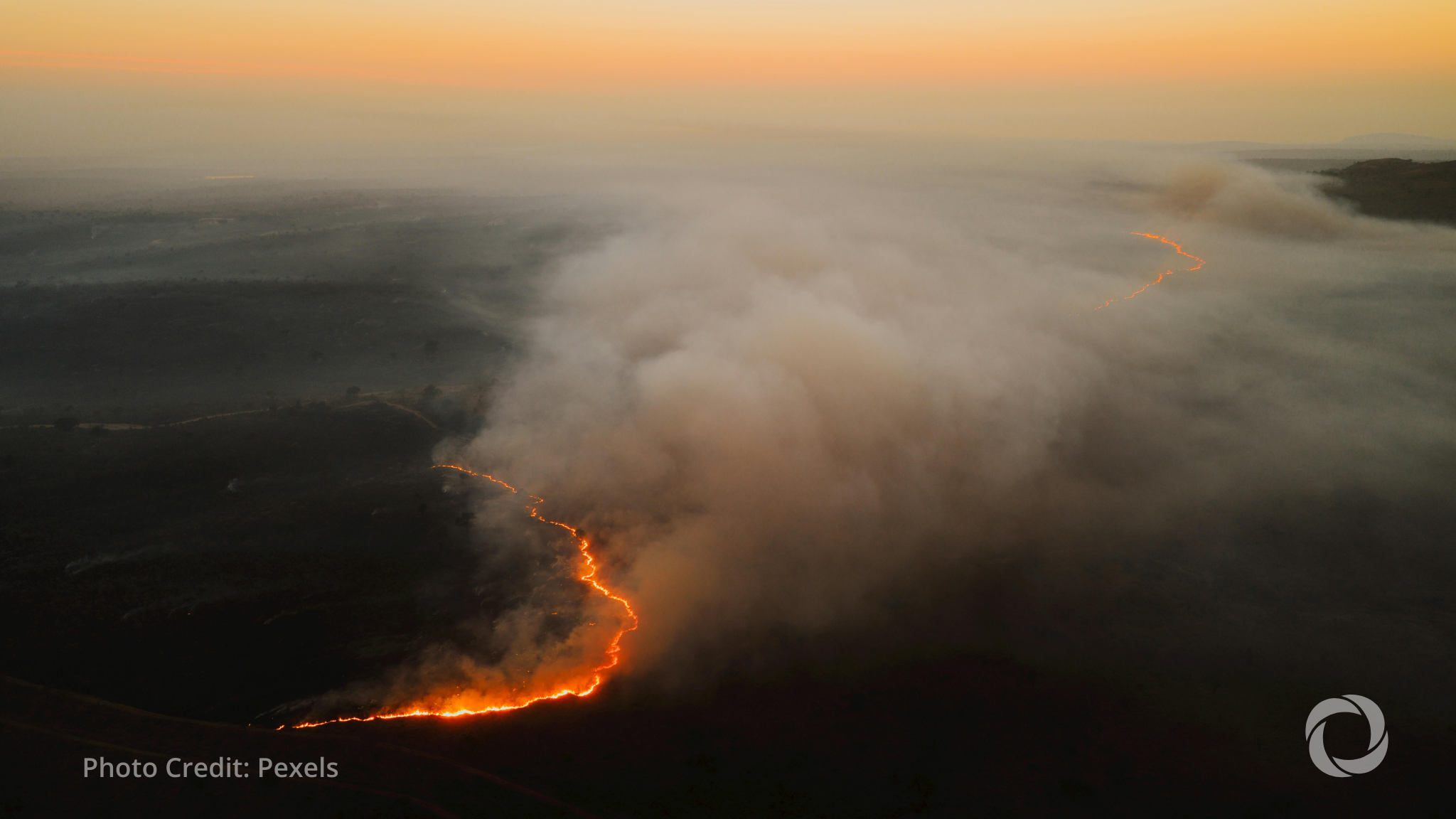
Wildfires are getting more destructive. Between 2014 and 2023, they caused an estimated $106 billion in economic losses and $74 billion in insured losses worldwide—way more than the decade before, the UN’s 2025 Global Assessment Report shows. The US accounts for most of these impacts, with nine of the ten most expensive wildfire events since 1970 happening there.
But Africa gets hit hardest by land burned. Wildfires torched nearly 390 million hectares globally in 2025—an area almost as big as the European Union. Over half that total, nearly 246 million hectares, was in Africa. Most of it’s uninsured. Millions of people live on that scorched land and lose their livelihoods along with irreplaceable natural and cultural heritage.
“Even when data exists, it is often focused on direct impacts and not enough on indirect impacts,” said Kamal Kishore, the UN Secretary-General’s Special Representative for Disaster Risk Reduction. “This is a major gap in how disaster risk is understood.”
Property damage is just the start. Communities face years of trouble from lost farmland, wrecked ecosystems, destroyed jobs, and health problems that don’t go away.
The LA fires show how costs pile up even where data is good. Independent estimates put total damage between $250 billion and $275 billion—way beyond what insurance covered. Business losses could hit $4.6–8.9 billion between 2025 and 2029. Low-income and immigrant workers lost jobs when homes and workplaces burned. Official death counts stood at 31, but excess mortality analysis suggests up to 440 deaths might be linked to smoke exposure.
Wildfires now cause more forest loss than anything else—about 75 percent of what’s lost in UNESCO World Heritage sites. That wrecks water and food systems since forested watersheds supply over two-thirds of the world’s drinking water. Pollutants released into watersheds can poison rivers and drinking water for up to eight years after a fire.