
Add us as your preferred source on Google to see more of our content in Search.
 Add to Preferred Sources
The United Nations (UN) and humanitarian partners are asking for $2.3 billion to help 4.1 million of Ukraine’s most vulnerable people this year. As the war nears its fifth year, around 10.8 million people across the country will need humanitarian assistance—including internally displaced people and those affected by fighting but still in their homes, according to the Humanitarian Needs and Response Plan. The money will go toward food, healthcare, shelter, protection, cash assistance, and other aid.
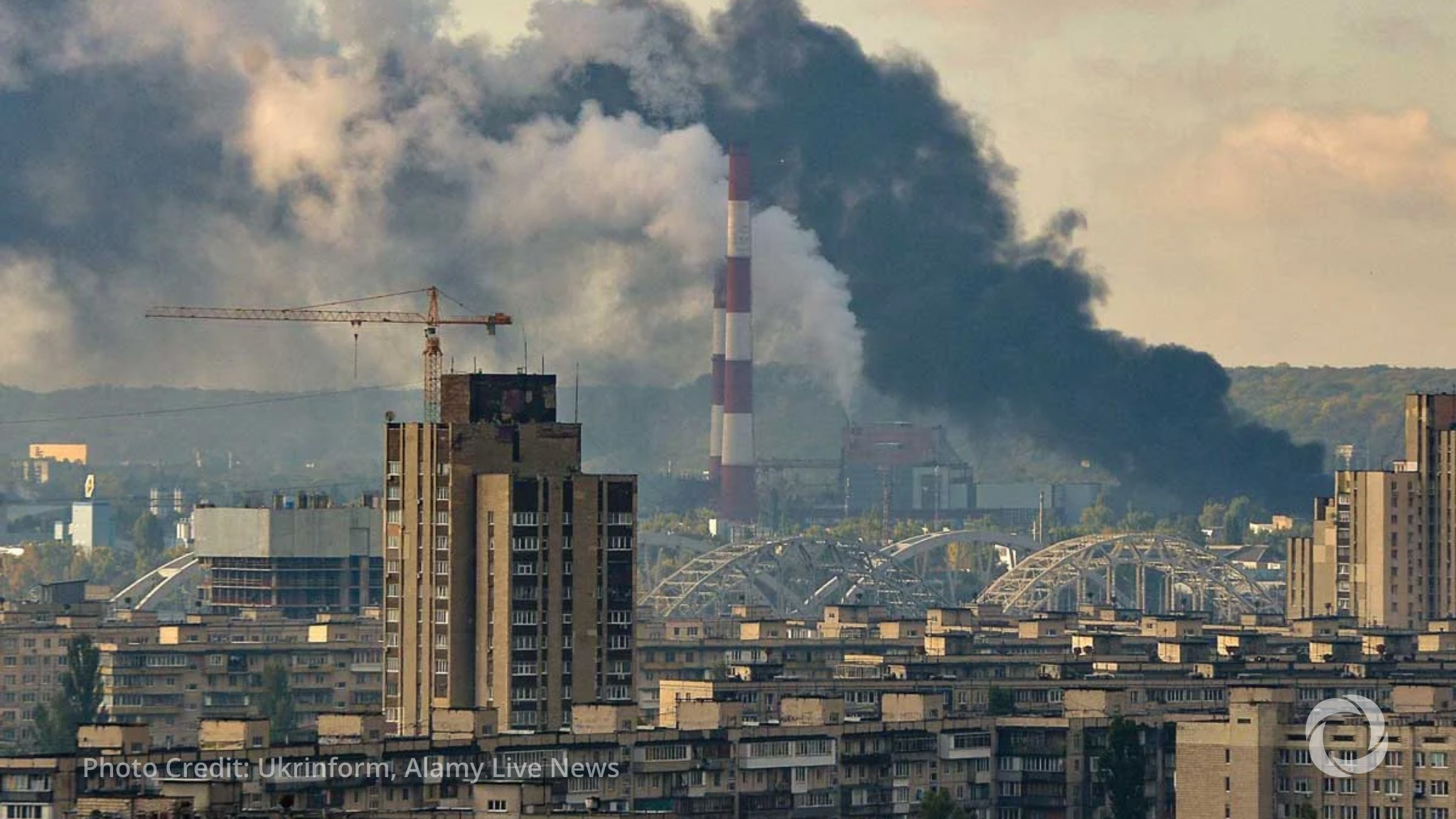
Front-line areas and northern border regions face the worst conditions. Intensified shelling, destroyed civilian infrastructure, and constant disruptions to essential services have left communities struggling. Repeated missile and drone strikes across Ukraine keep causing civilian casualties, damaging homes, and forcing people to flee. People living in Russian-occupied territories remain largely cut off from services and protection systems, facing serious rights violations while humanitarian access stays extremely limited.
“Ukraine’s humanitarian crisis has been driven by relentless attacks—from the full-scale invasion in 2022 to the destruction of the Kakhovka Dam in 2023 to more recent massive strikes on civilian infrastructure,” said Matthias Schmale, Humanitarian Coordinator for Ukraine.
Widespread disruptions to power and heating during extreme winter conditions are creating what he called “a crisis within a crisis,” pushing people’s ability to cope to the breaking point.
The 2026 plan focuses on four groups: people living near the front line, those forced to flee, people whose homes are damaged or who lost access to basic services after strikes, and vulnerable people at risk of falling through cracks in the social protection system. Humanitarian partners want to respond quickly as the situation shifts—whether from new attacks, waves of displacement, or seasonal hardships like disrupted services after strikes on energy infrastructure during freezing weather.
National and local organizations, alongside international partners, play a central role in the response. They’re often the first to act in the most difficult and dangerous conditions, working closely with the Ukrainian government to complement national systems and support evacuation efforts. The $2.3 billion request reflects both the scale of prioritized needs and the reality of delivering life-saving assistance in a high-risk environment with shrinking humanitarian resources.