

Add us as your preferred source on Google to see more of our content in Search.
 Add to Preferred Sources
Five reasons to read this article
- The global system is changing, and it is happening faster than anyone expected
- From climate talks to humanitarian aid, the fallout has already begun
- As the U.S. walks away, China is moving in
- The quiet collapse of multilateralism has started
- This may be the moment the world stopped working the old way
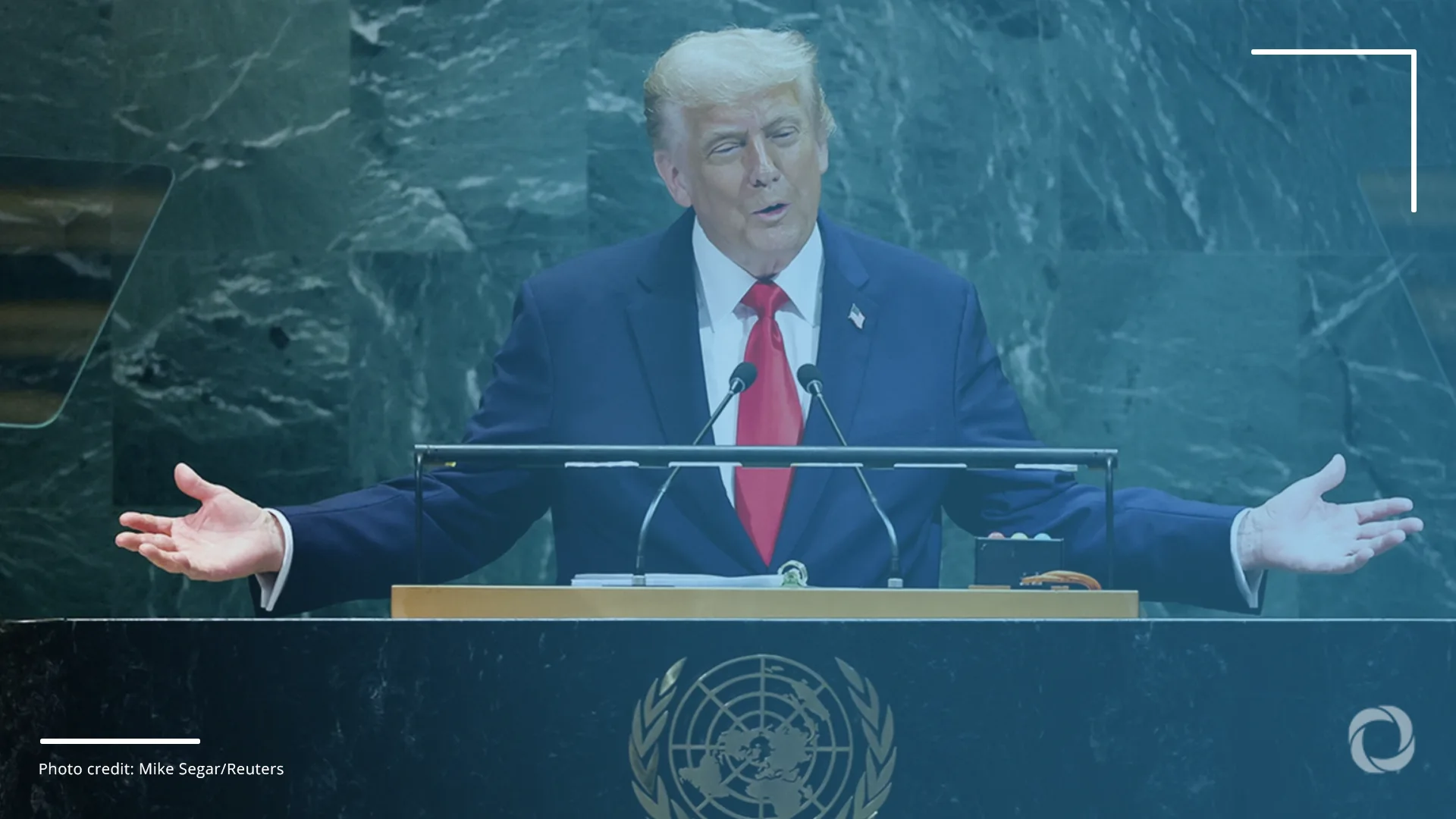
A week after President Donald Trump ordered the United States to withdraw from 66 international bodies, the effects are already being felt far beyond Washington. From UN agencies preparing for budget shortfalls to diplomats reassessing how global decisions will be made, the move is accelerating a shift away from multilateral cooperation and forcing governments to reassess how international issues will be managed without active U.S. involvement.
The withdrawal, announced through a presidential memorandum on 7 January, includes 31 United Nations entities and 35 non-UN organisations.
Analysts state the move marks another step in the erosion of the multilateral order that has underpinned global cooperation since the end of the Second World War.
The White House has framed the decision as a rejection of what it calls “progressive ideology” and “climate orthodoxy” that allegedly “undermine U.S. sovereignty and waste taxpayer funds”. U.S. Secretary of State Marco Rubio has described the withdrawals as a recalibration, arguing that the U.S. should leave those bodies it considers to be “mismanaged, redundant, or captured by actors advancing agendas contrary to our own”.
However, critics believe deeper significance lies elsewhere. Daniel Forti, Head of UN Affairs at the International Crisis Group, commented that the administration’s approach reflects a hardening view towards international cooperation. “I think what we’re seeing is the crystallization of the U.S. approach to multilateralism, which is ‘my way or the highway,'” he told NPR. “It’s a very clear vision of wanting international cooperation on Washington’s own terms.”
Immediate consequences
The most immediate impact will be financial. Washington has long been one of the largest funders of the UN system, contributing about 22% of the core budget and 26.9% of peacekeeping costs. Without that funding, agencies are bracing themselves for loss of leadership, budget shortfalls, and delays that will affect everything from humanitarian aid to development projects.
Some of those effects are already visible. Organizations working in global health and reproductive care confirm previous funding freezes have led to clinic closures, staff layoffs, and supply shortages.
“There’s been clinics shut, doctors pushed out of work, nurses and community health workers no longer available. Medical supplies aren’t on shelves anymore… We’re seeing pregnant women who are now transmitting HIV to their unborn children or fetuses. It’s been catastrophic,” explained Beth Schlachter of MSI Reproductive Choices.
Climate and China
One of the most far-reaching withdrawals is from the UN Framework Convention on Climate Change (UNFCCC) and related scientific bodies such as the Intergovernmental Panel on Climate Change. This move sidelines the world’s largest historical CO2 emitter from the system that shapes global climate rules and reporting.
Simon Stiell, the climate convention’s Executive Secretary, called the move a “colossal own goal” that could weaken U.S. economic resilience and influence climate finance. Former US climate envoy John Kerry described it as “a get-out-of-jail-free card for polluters seeking to evade responsibility”.
At the same time, China has moved quickly to position itself as a defender of multilateralism, reaffirming its support for the United Nations and calling for a more “just and equitable” system of global governance.
Beijing is already the second-largest contributor to the UN budget, and analysts believe Washington’s retreat will create an opportunity for Beijing to expand its influence in shaping agendas and partnerships, particularly across the Global South, the Washington Post reported.
Whether China will match its rhetoric and the level of funding and diplomatic leadership once provided by the U.S. remains open to debate.
Smaller states and growing vulnerability
For smaller and medium-sized countries, the shift is particularly worrying. Multilateral institutions have historically provided an opportunity for less powerful nations to influence global standards and to secure resources.
Without a strong U.S. presence in these forums, many countries may face growing pressure to negotiate directly with major powers or blocs. Political analyst Mladen Bubonjic commented that the move will weaken their leverage on issues from climate finance to trade.
Legal uncertainty clouds the future
Another unresolved question is how enduring the U.S. withdrawal will be. The UNFCCC was unanimously ratified by the U.S. Senate in 1992, yet the Constitution is silent on whether a president can exit such treaties unilaterally. Courts have avoided ruling on this issue, and it remains unclear whether a future administration could rejoin without a fresh Senate vote.
For allies, that uncertainty itself is damaging, raising doubts about whether any U.S. commitment can outlast a single presidential term.
Institutions adapt under pressure
Multilateral organizations are unlikely to collapse, but they face an unprecedented stress test. UN officials emphasize that U.S. financial obligations to its core budgets remain binding under the UN Charter, even though reports suggest Washington has already fallen behind on its 2025 commitment.
Secretary-General António Guterres has pledged the UN will continue to deliver to those who depend on it. Yet adaptation without the participation of the system’s principal architect marks uncharted territory.
A new phase
As the United States steps back, others are already moving to fill the space it leaves behind. The result is not the collapse of multilateralism, but its transformation into something more fragmented, more contested, and less predictable.
What is increasingly clear, however, is that the global system is entering a new phase, one in which multilateralism must prove it can function without the country that once anchored it, and in which power, funding, and influence will be more widely and unevenly distributed.