
Add us as your preferred source on Google to see more of our content in Search.
 Add to Preferred Sources
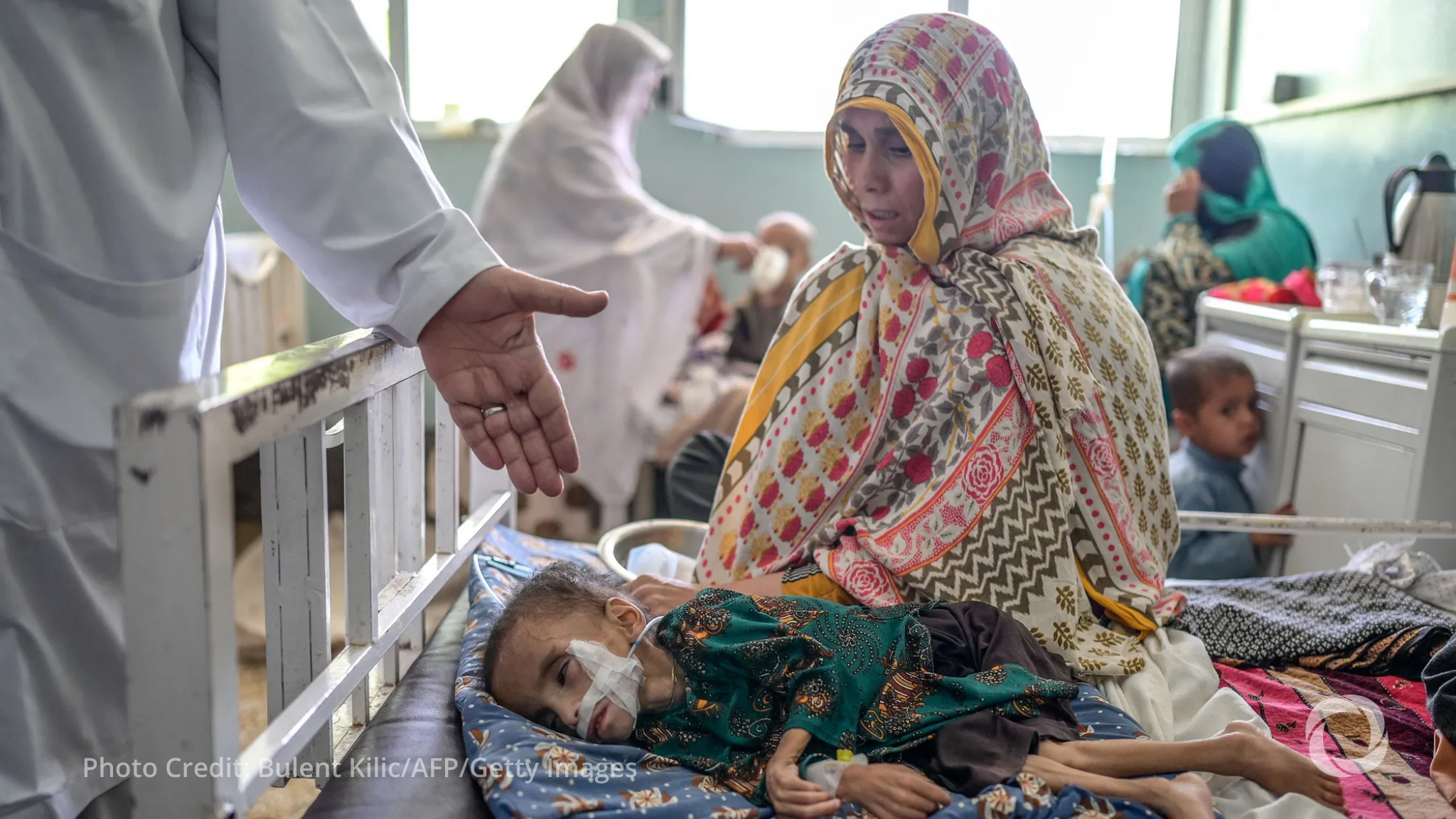
The International Rescue Committee (IRC) is expanding food assistance in Afghanistan as 17 million people urgently need help and 4.7 million face starvation. A new IRC assessment in some of the country’s hardest-hit areas reveals the depth of the hunger crisis, prompting the organization to scale up emergency food support in Bamiyan, Kunar, and Herat provinces, the IRC announced.
The assessment found that 95 percent of participants had poor food consumption scores, showing insufficient daily food access. The same percentage reported extreme survival measures, including borrowing money and delaying medical care. Meanwhile, 93 percent of infants under six months and 84 percent of children under two were breastfed—a reflection that an estimated 1.2 million pregnant or breastfeeding women are predicted to suffer acute malnutrition in 2026.
Rising food prices and lack of income have hit most families hard. Almost 3.7 million children aged 6 months to 5 years old suffer from acute malnutrition, with around one-third suffering from severe acute malnutrition. The arrival of almost 3 million Afghan returnees from Iran and Pakistan has compounded decades of economic turmoil, drought, and recurring natural disasters, deepening the crisis.
“Acute hunger is a persistent challenge in Afghanistan, yet the latest figures show an appalling deterioration in humanitarian needs,” said Lisa Owen, IRC Afghanistan Director. “As the winter season lingers on, more families will be on the doorstep of starvation and yet the humanitarian response in Afghanistan remains gravely under-funded.”
She warned that U.S. funding cuts have caused IRC’s reach in Afghanistan to plummet by nearly two-thirds—potentially a death sentence for millions at risk of being left without critical food assistance.
The IRC has launched a Cash for Food programme to provide cash support to 3,200 households in Bamiyan, Kunar, and Herat provinces. Harsh winter conditions have left millions in danger as temperatures drop and communities have few resources for heating. IRC teams are also delivering winterization support, including cash assistance, winter clothing, blankets, and food supplies. The organization is supporting health facilities and education classes with heating systems, fuel, and winterization supplies to ensure continued access to essential services during the coldest months. Owen stressed that without full restoration of U.S. funding, the consequences will be catastrophic.