
Add us as your preferred source on Google to see more of our content in Search.
 Add to Preferred Sources
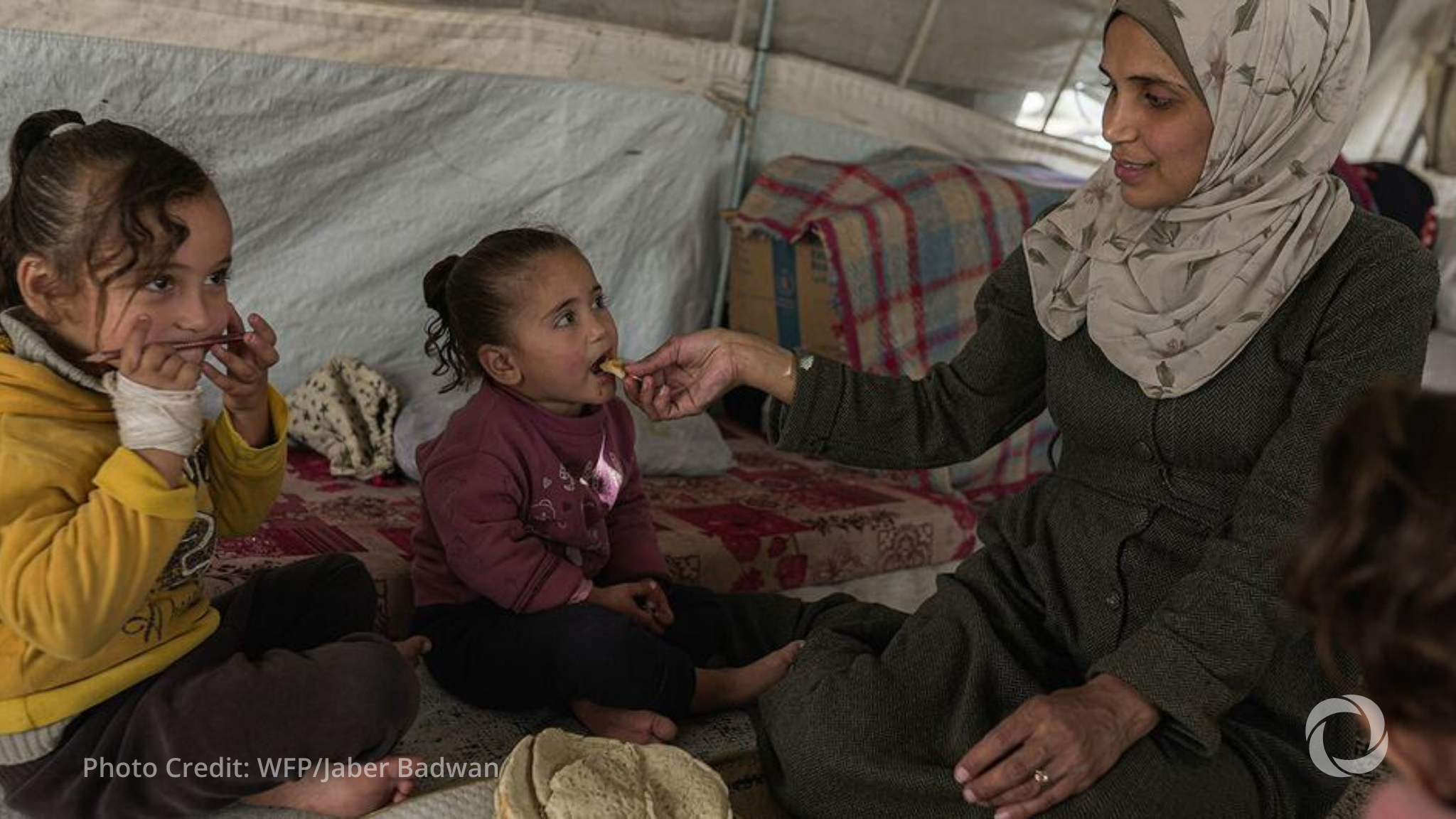
Three months into the Gaza ceasefire, the United Nations (UN) and partners have delivered tons of aid and carried out critical repairs, but it’s only a temporary fix. “The humanitarian situation and crisis in Gaza is far from being over,” Olga Cherevko from the UN aid coordination office said in an update to journalists in Jerusalem. For Palestinians in Gaza, life is still defined by displacement, trauma, uncertainty, and deprivation—made worse by severe storms that destroy belongings, collapse buildings, and kill children vulnerable to the cold.
Since the ceasefire between Israel and Hamas, humanitarians have brought in over 165,000 metric tons of assistance. They’ve repaired roads, rehabilitated hospitals, cleared rubble, and reopened aid distribution points. During the first two months of the truce alone, over 1.3 million people received food packages, and over 1.5 million hot meals were prepared and delivered, improving food security. When torrential floods hit, putting thousands of families at risk, humanitarians worked with municipalities to find safer options and distributed tents, tarpaulins, mattresses, and warm clothes.
“But while this progress is clear, it remains fragile and could be reversed overnight,” Cherevko said. Airstrikes, shelling, and armed clashes continue, with civilian casualties reported daily. Most of Gaza lies in ruins, and needs far outpace efforts to meet them.
“Due to various impediments and restrictions placed on organizations operating in Gaza and specific types of supplies that could enter, we could basically only apply Band-Aids to a wound that can only be closed with proper care,” she said.
The harsh winter storms have reversed humanitarian gains because no amount of tents or tarpaulins can replace repairing people’s homes. Despite reopening or establishing dozens of health service points, less than 40 percent of healthcare facilities in Gaza are operational. Educational supplies critical for children who haven’t gone to school for two consecutive years continue to be barred from entry. Delays at border crossings, limited humanitarian corridors, and restrictions on UN entities and international NGOs are putting lives at risk.
Cherevko stressed that “emergency response and its transition to early recovery cannot wait for political solutions. And a ceasefire in itself is not a recovery plan.” What humanitarians need is simple: parties to the conflict must respect the ceasefire, ensure civilians are protected, and keep humanitarian access predictable, sustained, and unimpeded. Restrictions on aid agencies and critical supplies must be lifted, early recovery must be funded and enabled, and donor support must continue.
“The choices that are made today, both by the parties to the conflict and the donors will shape whether the pause to this fighting will translate to a path to stability or becomes just another quiet before the next storm,” she said.