
Add us as your preferred source on Google to see more of our content in Search.
 Add to Preferred Sources
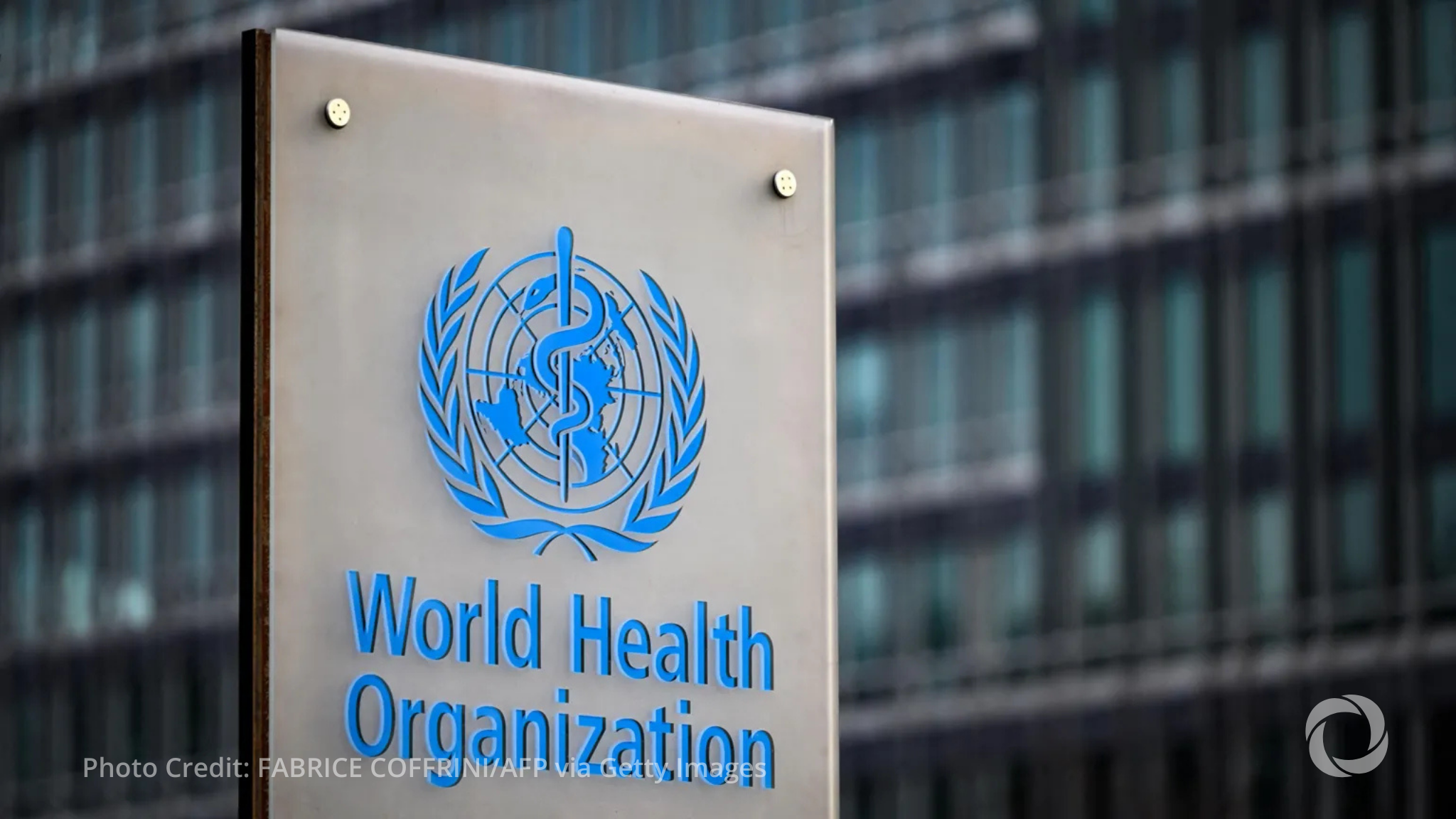
The World Health Organization (WHO) says the U.S. decision to leave the agency will put both Americans and people worldwide at greater risk, according to a statement. WHO called the withdrawal “regrettable” and directly rejected the U.S. government’s claims that the organization has been politicized or biased.
In its response, the agency said it has always worked with the United States “in good faith and with respect for its sovereignty,” insisting that it remains independent and serves every country “without fear or favor.” WHO also pushed back against accusations that it mishandled the COVID-19 pandemic, outlining a detailed timeline of its actions.
See also: U.S. exit from WHO leaves global health cooperation weaker and Washington more exposed
The statement said WHO first asked China for more information on the outbreak in Wuhan at the end of 2019 and quickly alerted the world. By the time the first death was reported in January 2020, WHO had already convened global experts, issued guidance to governments, and declared a global emergency later that month when cases outside China numbered fewer than 100. WHO noted that it never recommended mask or vaccine mandates but always advised measures based on the best available science.
The agency acknowledged that reviews of the pandemic highlighted areas for improvement and said it has already taken steps to strengthen its systems and help countries prepare better for future health emergencies.
“The systems developed before, during, and after the pandemic helped keep all countries safer—including the United States,” the statement said.
Despite the decision to withdraw, WHO said it remains open to cooperation and hopes the U.S. will rejoin in the future. It pointed to milestones like the new global Pandemic Agreement, which sets out legal frameworks for managing future health threats, as proof that international unity is still possible. The organization also praised the U.S. for decades of leadership in fighting diseases like smallpox, polio, malaria, and HIV.
“Health is a basic human right,” the statement concluded. “WHO will continue working with all nations to protect it—for everyone, everywhere.”