
Add us as your preferred source on Google to see more of our content in Search.
 Add to Preferred Sources
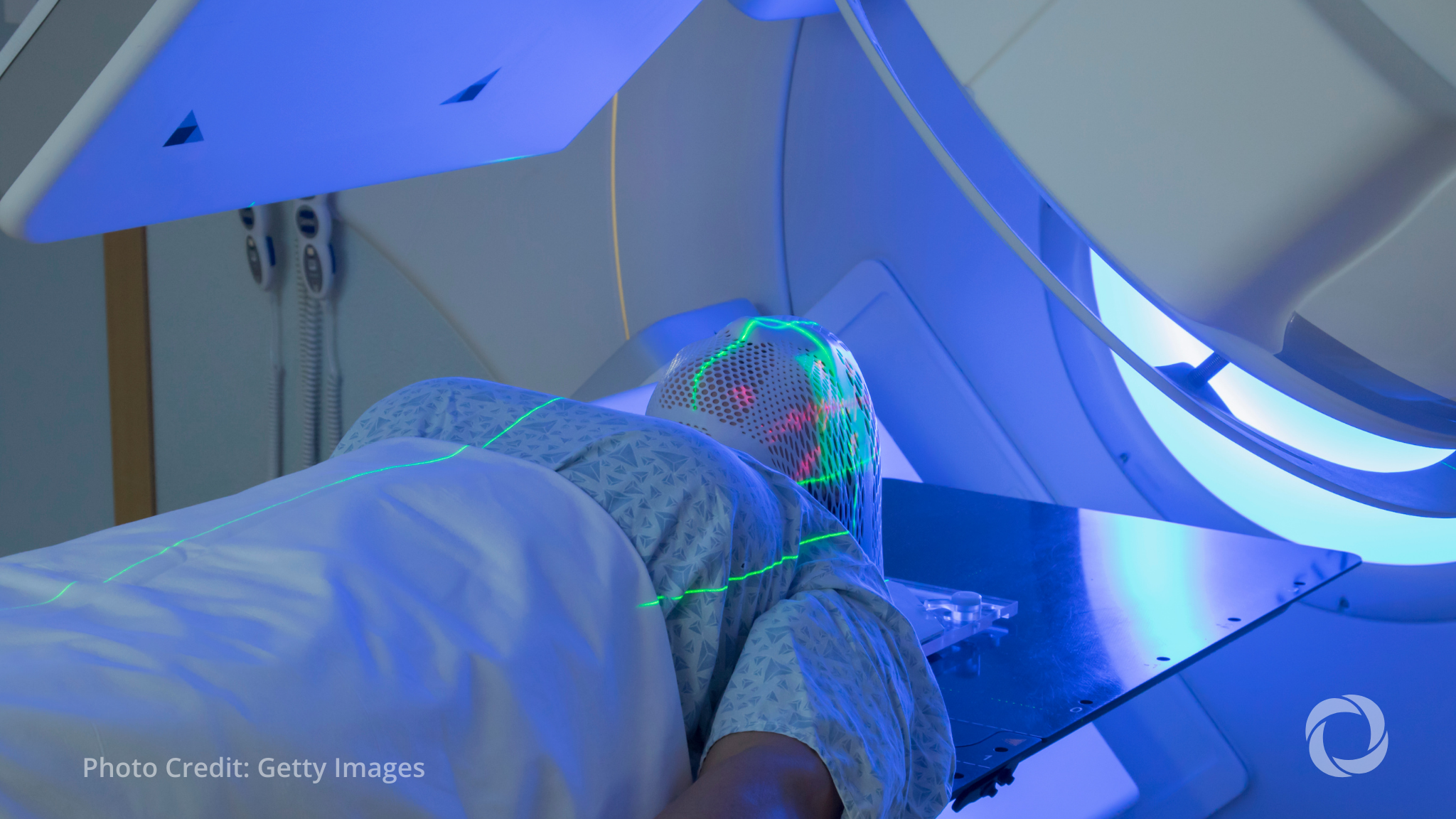
Cancer remains a major global health challenge, particularly in low- and middle-income countries where nearly 70 percent of cancer-related deaths occur and access to specialized care is severely limited, according to the International Atomic Energy Agency (IAEA) in a statement. As World Cancer Day is marked, the IAEA’s Rays of Hope initiative is offering new pathways to treatment for patients in underserved regions through nuclear science and technology. Since its launch in 2022, the program has delivered more than 90 pieces of diagnostic and treatment equipment to low- and middle-income countries, including ten linear accelerators and 55 mammography machines.
Over 100 countries have joined Rays of Hope, and the initiative has raised more than €90 million to support cancer care. In addition, 18 Anchor Centres have trained more than 700 oncology professionals in the safe use of radiation medicine. “Rays of Hope is changing the reality on the ground,” said IAEA Director General Rafael Mariano Grossi. “Hospitals are being built, technology is being transferred, but we can still do more to bring cancer care closer to people that need it the most.”
Radiotherapy is needed to treat more than half of all cancer patients, yet access remains uneven. Malawi opened its first public radiotherapy center in July 2025 at Kamuzu Central Hospital in Lilongwe. “The new National Cancer Centre has been a game changer for specialized care in Malawi,” said Dr. Leo Masamba, clinical oncologist at the center. “We have treated over 100 patients in the first six months alone.” The initiative is also supporting centers in Chad, Ethiopia, Kenya, Lesotho, Liberia, Senegal, Togo, Zambia, and several Latin American countries.
For early detection, Rays of Hope is deploying 55 mammography units across Africa, Latin America, and the Caribbean. Hospital Nacional Nuestra Señora de Fátima in El Salvador now screens over 20 women per month for breast cancer. Since July 2025, 137 women have been screened, with 3 percent showing findings suggestive of malignancy and immediately referred for care.
Beyond equipment, Rays of Hope helps countries build safety foundations for radiation medicine and supports partnerships with governments, academia, and financial institutions. In 2025, the IAEA received a linear accelerator donated by Varian for Black Lion Hospital in Ethiopia, while Djibouti and Uzbekistan secured loans to expand radiation services.