
Add us as your preferred source on Google to see more of our content in Search.
 Add to Preferred Sources
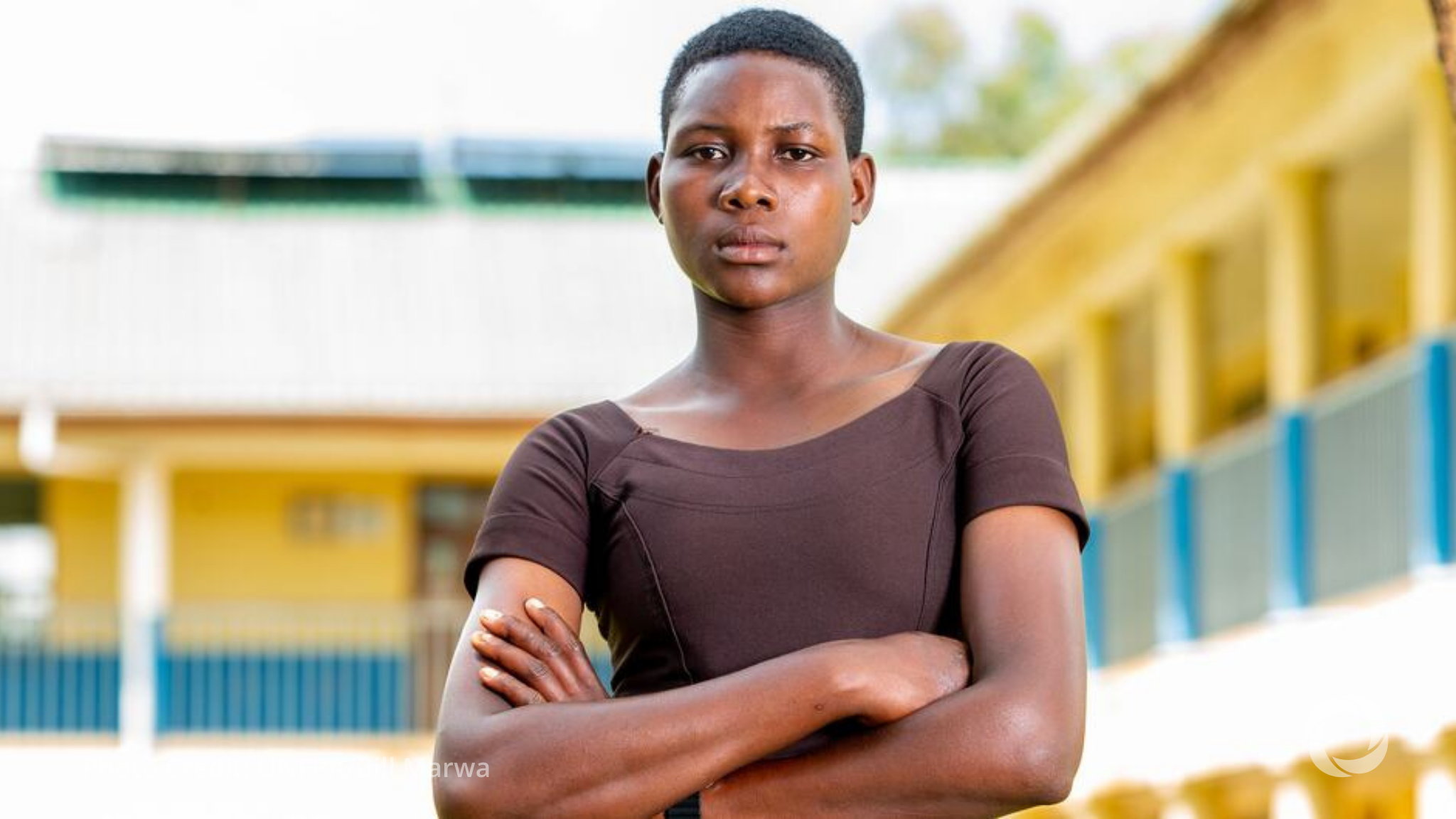
Olivia Albert was 14 when she underwent female genital mutilation. She hid her pain because everyone around her said it was normal, but deep down, she knew what happened to her wasn’t something any girl should go through, she told the UN sexual and reproductive health agency United Nations Population Fund (UNFPA) in a statement. FGM was once seen as an unavoidable rite of passage for young girls in Tanzania’s Mara region, but communities are now making real progress in ending the practice.
More than 230 million girls and women have undergone female genital mutilation and live with deep, lasting, and often life-threatening physical and mental consequences despite efforts to eradicate the practice. In 2026, nearly 4.5 million girls are at risk of undergoing the procedure. One reason FGM remains so entrenched is the false idea that foreign influence is driving efforts to abandon it. Ahead of the International Day of Zero Tolerance for Female Genital Mutilation, observed on 6 February, UNFPA is busting this myth.
When Ms. Albert joined a community dialogue supported by the UN agency, she heard other survivors openly sharing their experiences. “When girls hear from someone who has lived through this, they listen differently,” she said. “They find courage. Survivor leadership is changing my community. We cannot erase the past, but we can make sure the next girl grows up without fear and together, we will make that happen.”
Religious leaders are also calling out misinterpretation. Imam Ousmane Yabara Camara, a respected figure in Guinea’s Kindia prefecture, said: “Female genital mutilation is not a prescription of Islam. Too many girls suffer from the severe health consequences of this practice. We must put an end to it.” He suggested bringing the subject into education to help future generations live without FGM. Today, thousands of children learn about it in schools that increasingly teach comprehensive sexuality education.
In many countries where FGM is deeply entrenched, new legislation is slowly turning the tide. In Djibouti, Eritrea, and Somalia, Islamic scholars issued a national fatwa in 2025 stating there are no religious grounds to justify FGM.
“In our neighborhoods, we now have two powerful shields: the Constitution and the fatwa,” said activist Nafissa Mahamoud Mouhoumed from Djibouti. “While the law reminds people of the legal consequences, the fatwa removes the religious excuse that was used for generations to justify FGM.”
In Ethiopia, three quarters of women and girls aged 15 to 49 have undergone some form of FGM. Local district chief Mitiku Gunte recalled: “We sat helplessly for years, watching women suffer through childbirth complications, sometimes losing both mother and baby. We knew something was wrong, but we didn’t understand what or how to stop it.” Mr. Mitiku is now an advocate with a joint program led by UNFPA and UNICEF that engages hundreds of men and boys in the fight against the practice. Through dialogues tailored for different groups—elder men, young unmarried men, women, and youth—community members go door-to-door to speak about specific concerns and influences.