
Add us as your preferred source on Google to see more of our content in Search.
 Add to Preferred Sources
The World Health Organization (WHO) requires $633 million to respond to health emergencies across the Eastern Mediterranean Region in 2026, as the region continues to face the largest concentration of humanitarian needs worldwide, WHO Regional Director Hanan Balkhy said. An additional $56 million is required to sustain WHO’s Regional Health Emergencies Programme, supporting preparedness, readiness, emergency coordination, disease surveillance, and the ability to rapidly scale up health operations as crises evolve.
“The Eastern Mediterranean Region—now carrying the world’s heaviest humanitarian burden—is facing a convergence of crises unlike anywhere else in the world,” Balkhy said. “Conflict, displacement, disease outbreaks, climate shocks, access restrictions, and attacks on health care are compounding one another, leaving millions exposed to preventable illness, injury, and death.”
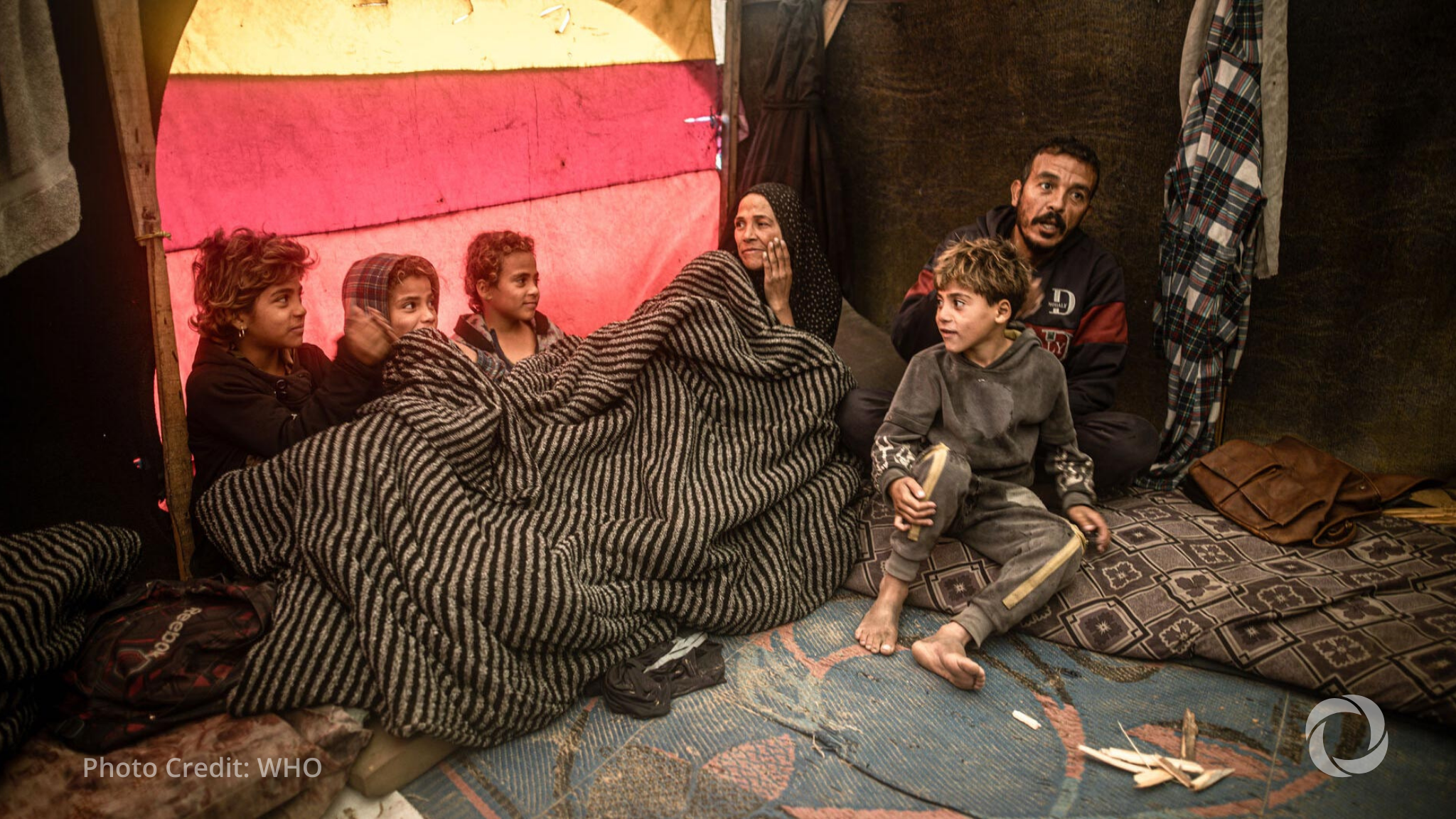
Close to 115 million people in the region—nearly half of all people in need globally—require humanitarian aid in 2026. Many are among the poorest and most vulnerable populations worldwide, living in fragile and conflict-affected settings with high maternal mortality rates, acute malnutrition among children, and mass population displacement. Many diseases circulating—including cholera, measles, dengue, and circulating vaccine-derived poliovirus—are preventable or treatable yet continue to cause avoidable illness and death where health systems have been weakened by years of crisis.
Despite reduced funding, WHO responded to 62 disease outbreaks across 19 of the region’s 22 countries and territories in 2025, while simultaneously supporting responses to high-intensity conflicts in Gaza and Sudan, earthquakes in Afghanistan, floods in Pakistan, and a volatile humanitarian environment across the Middle East. Yet this is not reflected in current global humanitarian planning or financing. While global humanitarian needs have been revised downward compared to earlier projections, this doesn’t reflect improved conditions on the ground. Instead, needs have been recalculated based on what is considered realistically fundable, rather than what populations actually require.
In Balkhy’s address to the WHO’s Executive Board, currently taking place in Geneva, her request was clear: “I urge you to invest in humanitarian health action, preparedness and peace; to safeguard health and reaffirm our shared humanity.” Without financing that reflects the scale and severity of crises, health responses will be constrained by funding limitations rather than driven by humanitarian need—leaving the most vulnerable without access to life-saving care.