
Add us as your preferred source on Google to see more of our content in Search.
 Add to Preferred Sources
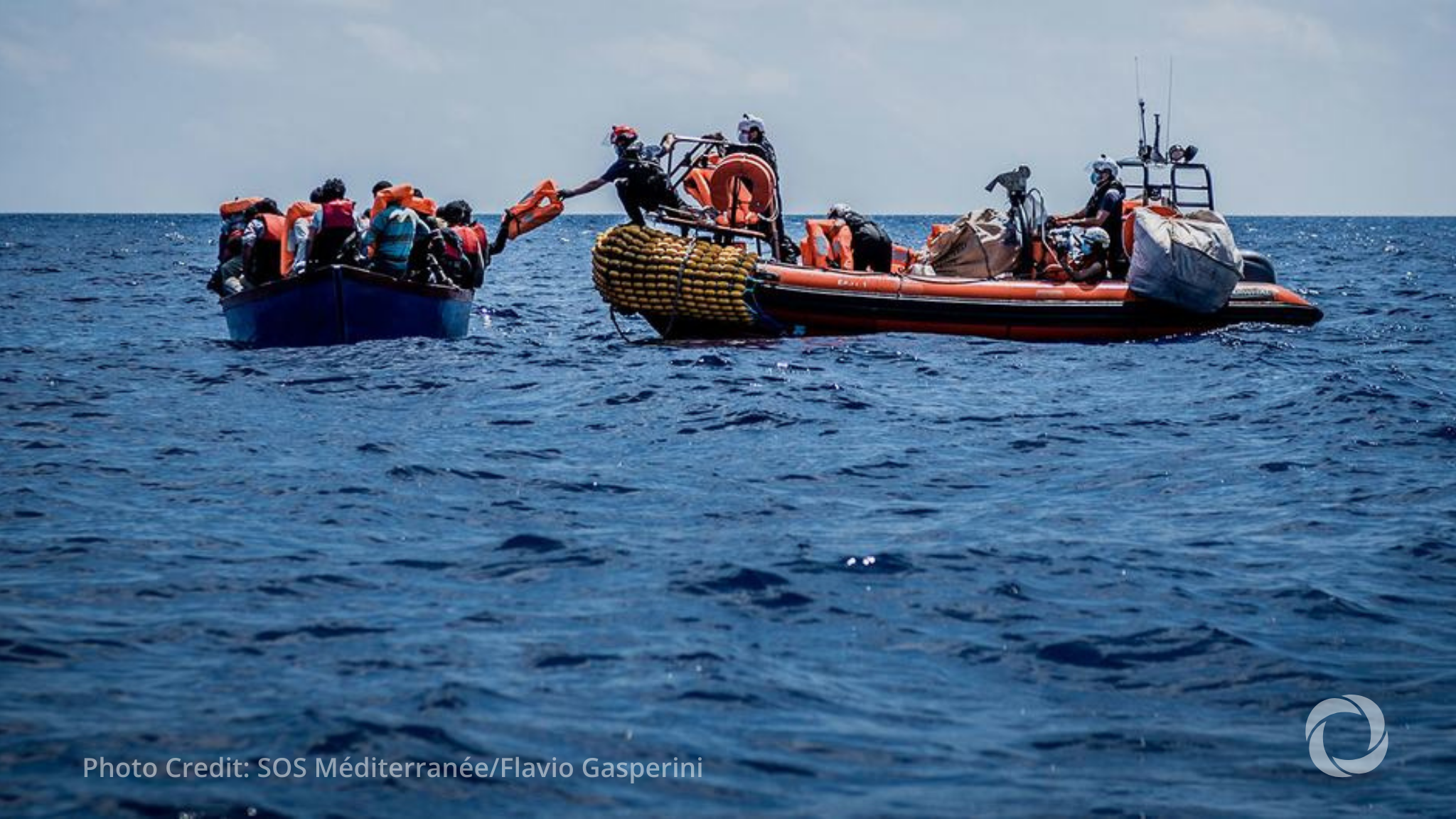
Fifty-three migrants including two babies are dead or missing after a large rubber dinghy capsized off the coast of Libya, the International Organization for Migration (IOM) said. According to the IOM, the boat overturned in the perishingly cold waters of the central Mediterranean Sea, north of the coastal town of Zuwara last Friday. It is just the latest deadly incident involving vulnerable people on the move who are frequently mistreated and trafficked by smuggling gangs that have flourished in Libya since the overthrow of President Muammar Gaddafi in 2011.
IOM said that the Libyan authorities rescued two Nigerian women from last Friday’s shipwreck. One said that her husband had drowned while the other reported that both her babies had died. The survivors explained that the vessel had been carrying migrants and refugees from several African countries. It had set off from Zawiya at about 11pm on Thursday and began taking on water six hours later, before capsizing.
At least 375 people have been reported dead or missing in January alone in the central Mediterranean, according to IOM’s missing migrants database. The UN agency warned that this is just the latest shipwreck to have happened amid severe winter weather, with many more tragedies feared unrecorded. Smuggling and trafficking networks continue to profit from desperate people by sending them to sea in unseaworthy boats, IOM noted, as it renewed calls for greater international cooperation and safer, legal routes for migration.
IOM does not consider Libya to be a safe port for migrants, after highlighting the dangers migrants continue to face following the discovery of more mass graves and detention sites in the east of the country.
“Investigations indicate that the victims had been held in captivity and subjected to torture to coerce ransom payments from their families,” IOM said in a statement, following a raid by the authorities on an illegal detention site in Ajdabiya.
In Kufra, authorities discovered an underground detention site three meters underground. A total of 221 migrants and refugees were released, including women, children, and a one-month-old baby. To help vulnerable people on the move, IOM supports voluntary flights home for foreign nationals and works with national and regional authorities to strengthen cross-border cooperation in a bid to dismantle trafficking networks and support survivors.