
Add us as your preferred source on Google to see more of our content in Search.
 Add to Preferred Sources
The United Nations High Commissioner for Refugees (UNHCR) has launched the Routes Monitor, a new data platform offering the most complete picture to date of mixed movements across and along major global routes. Updated monthly, the platform brings together multiple sources of information—including from UNHCR, national authorities, UN and NGO partners, and media and social media monitoring—to show evolving trends, highlight protection needs, and support more effective responses along entire journeys.
With a focus on protecting people at risk, the platform helps analyze today’s increasingly complex movements, where refugees fleeing conflict or persecution often move alongside people traveling for different reasons. Additional routes or route segments will be added over time. “This tool gives us a unique, comparative view of movements from across countries and regions,” said Elizabeth Tan, UNHCR’s Director of the Division of Protection and Solutions. “It helps us identify patterns and shifts in trends along routes, supporting more coordinated responses that prioritize safety and solutions.”
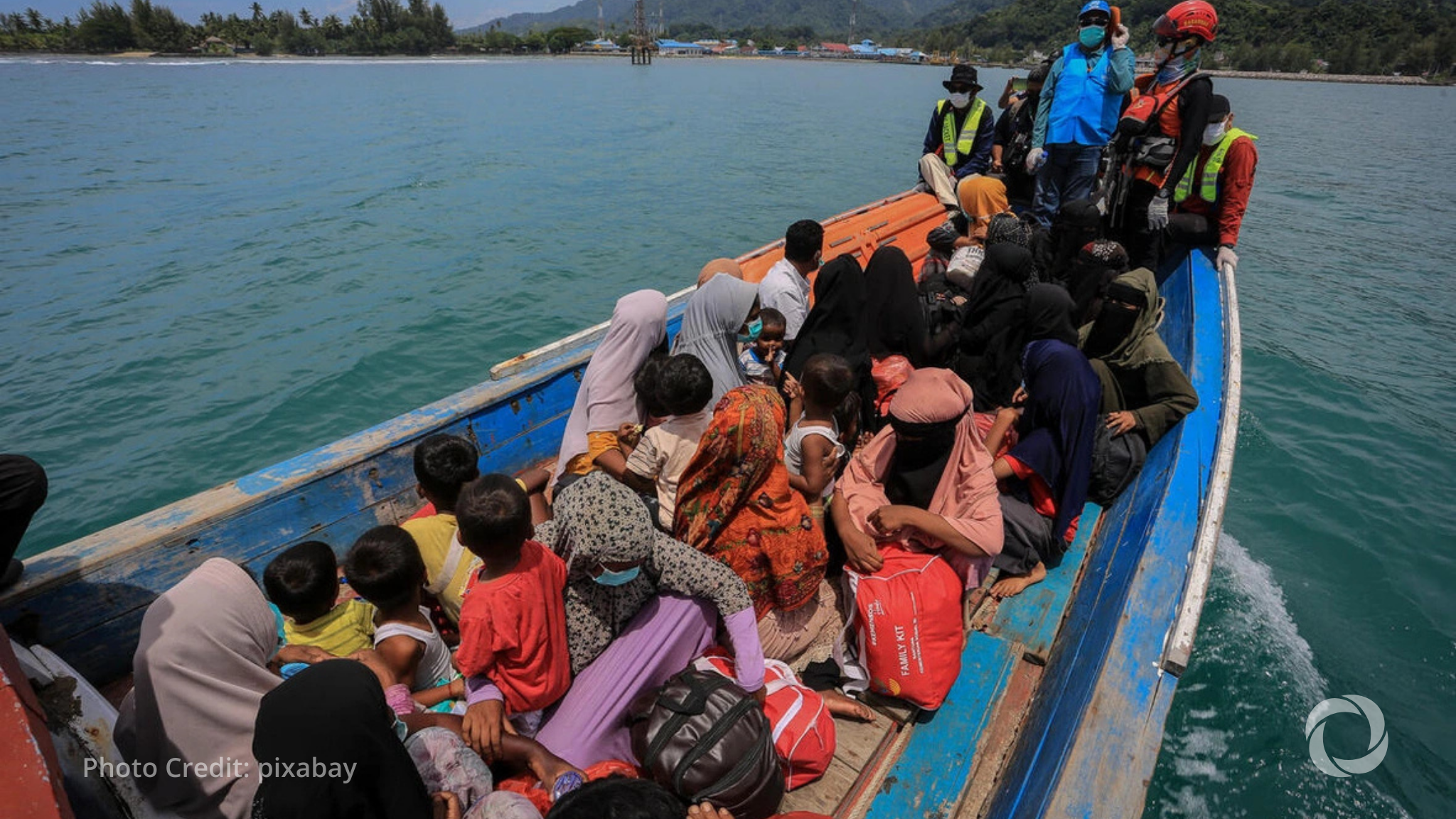
Overall, 2025 data show that there have been nearly 200,000 recorded departures and more than 151,000 arrivals along monitored routes, including across Africa, the Middle East, Europe, and Asia. Although routes through the Mediterranean currently have more recorded data due to established monitoring systems, they represent only one part of a wider landscape. The recorded figure on deaths and disappearances at sea—more than 2,600 people in 2025 across the routes monitored—is likely an underestimate of the full human cost, given that many incidents occur in remote maritime areas where reporting and verification are limited.
“Fewer arrivals do not mean fewer people are fleeing danger,” Tan added. “Restrictions may limit onward movement, but they also push people into more remote, risky routes. The drivers of displacement remain strong, and protection needs remain urgent.”