
Add us as your preferred source on Google to see more of our content in Search.
 Add to Preferred Sources
A new study from Warsaw suggests that more advanced air quality modelling—factoring in “street canyon” effects and re-suspended road dust—can sharply improve how cities measure and manage pollution from traffic, according to a report by the European Commission. The findings could help urban planners and environmental authorities design more effective policies to tackle the harmful health impacts of road emissions in Europe’s densely populated cities.
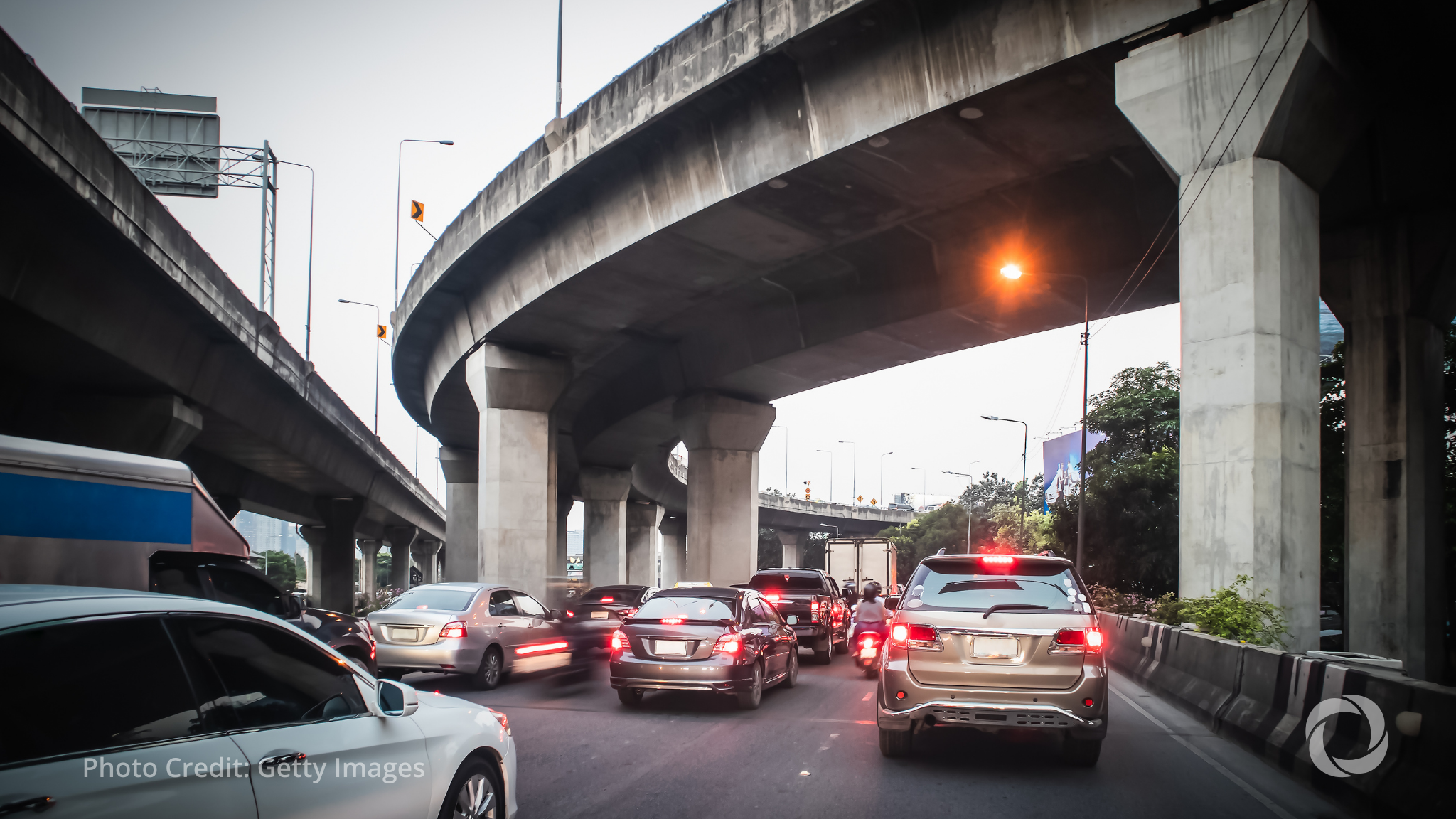
Across the European Union, air pollution remains the leading environmental cause of premature death, linked to about 400,000 deaths annually. Warsaw researchers set out to assess how much transport, road dust, and residential heating contribute to urban pollution. They paid special attention to how buildings amplify pollution by trapping emissions between them — a phenomenon known as the “street canyon” effect.
To understand these dynamics, scientists combined Belgium’s ATMO-Street model, which tracks street-level emissions, with Canada’s GEM-AQ system, which simulates chemical interactions in the air. They then compared their results with data from nine city monitoring stations. The improved models proved more accurate than traditional ones — better predicting the levels of fine particulate matter (PM2.5) by 34% and coarser particles (PM10) by 55%.
The updated approach also helped isolate traffic’s role in city pollution. At a major traffic site, vehicles were found to account for 41% of PM2.5, 42% of PM10, and 84% of nitrogen dioxide (NO₂) emissions—far higher than earlier estimates. The authors say these insights could lead to policies that directly address urban mobility and heating contributions.
While the study is based on one traffic site, researchers note it opens new pathways for using hybrid models alongside growing city sensor networks. As the EU’s revised Ambient Air Quality Directive encourages more detailed local monitoring, such methods could help clarify pollution sources and guide cleaner, healthier urban development across the region.