
Add us as your preferred source on Google to see more of our content in Search.
 Add to Preferred Sources
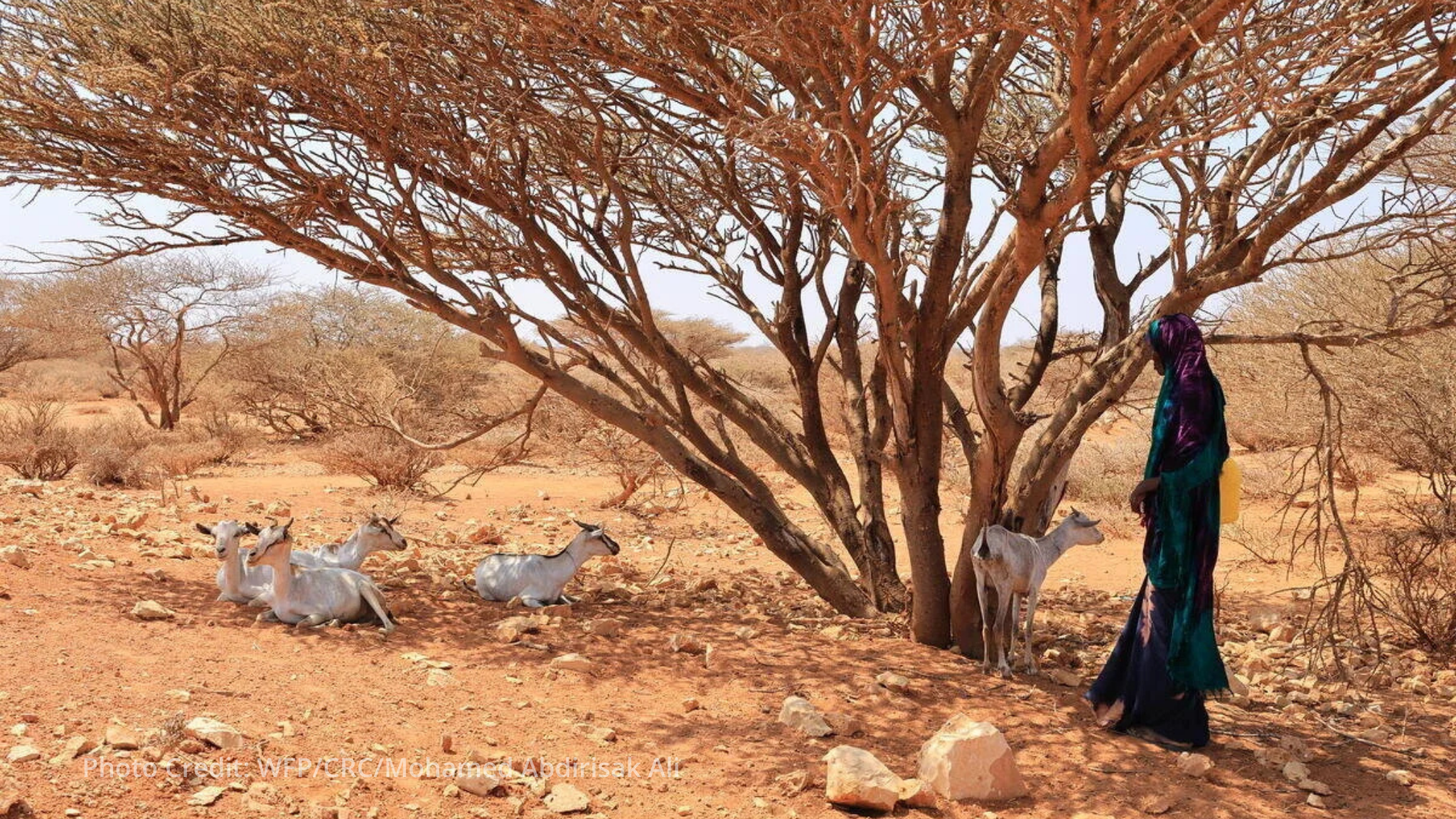
The World Food Programme (WFP) is warning that its emergency food and nutrition support in Somalia could grind to a halt within weeks unless new funding arrives, according to the agency. Resources are close to running out just as the country faces a new national drought emergency marked by severe water shortages, failed harvests, livestock deaths and mass displacement – conditions echoing the near‑famine of 2022.
Somalia is now confronting one of its most complex hunger crises in years, driven by two failed rainy seasons in a row, ongoing conflict and a sharp drop in humanitarian funding. Around 4.4 million people – roughly one in four Somalis – are facing crisis-level food insecurity or worse, including nearly one million already experiencing severe hunger. WFP says families have “lost everything” and many are being pushed to the brink.
WFP, the largest humanitarian agency in Somalia, played a critical role in 2022 when swift, large‑scale international support helped avert famine. With donors, partners and the government, the agency rapidly scaled up lifesaving assistance and reached record numbers of people. WFP stresses it still has teams, systems and logistics in place to do this again – but no longer has the money to match the rising needs.
Because of deep cuts, WFP has already been forced to reduce emergency food assistance from 2.2 million people in early 2025 to just over 600,000 now – only about one in seven people who currently need help to survive. Nutrition support has dropped from nearly 400,000 pregnant and breastfeeding women and young children in October 2025 to just 90,000 in December. Without fresh funding, WFP says all humanitarian assistance will have to stop by April.
The agency is urgently appealing for USD 95 million to sustain operations from March to August 2026. WFP warns that if its already reduced assistance ends, the consequences will be devastating for Somalia’s most vulnerable communities and could spill over into wider humanitarian, security and economic instability in the region.