
Add us as your preferred source on Google to see more of our content in Search.
 Add to Preferred Sources
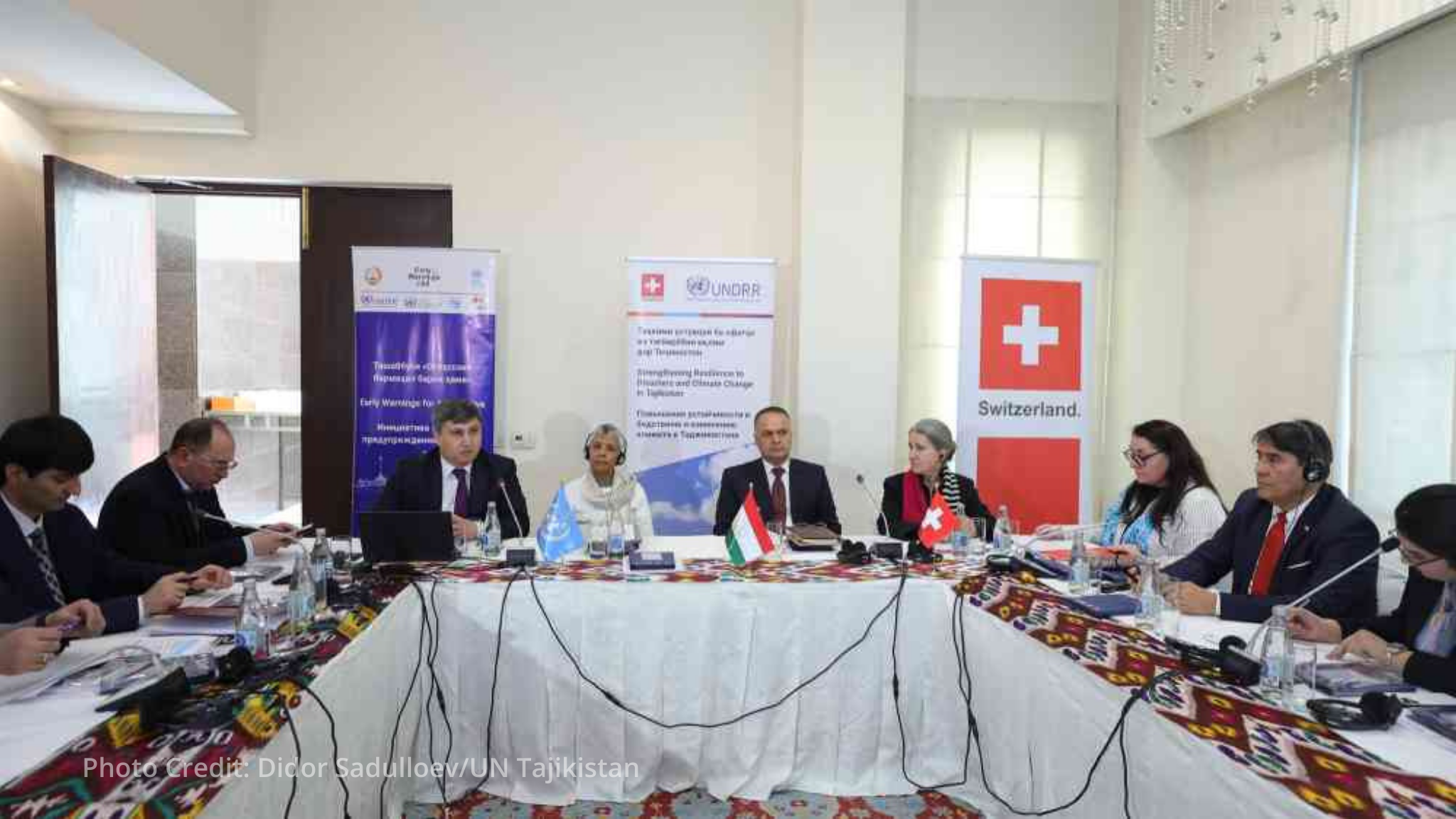
Tajikistan is taking new steps to move from reacting to disasters to preventing them, according to a recent steering committee meeting of a joint project between the UN Office for Disaster Risk Reduction (UNDRR) and the Government of Switzerland. The gathering in Dushanbe reviewed progress under the National Disaster Risk Reduction (DRR) Strategy and endorsed a Strategic Action Plan for 2026–2028, bringing together senior government officials, UN representatives, Swiss cooperation staff and other partners.
Officials noted that the country is gradually shifting from a narrow emergency-response model to a more comprehensive disaster risk management approach. The Deputy Chairman of the Committee of Emergency Situations and Civil Defense, Imomali Ibrohimzoda, said key advances have been made in institutionalizing DRR during the reporting period, with stronger coordination through the National DRR Platform. Participants emphasized that the goal is to anticipate risks, not just respond after floods, landslides or climate‑driven events hit.
UN Resident Coordinator Parvathy Ramaswami urged partners to accelerate this shift by basing decisions on scientific analysis and reliable data rather than relying mainly on crisis response. She underlined the importance of technology, sustained national capacities and a stable, well‑resourced DRR platform to keep early warning systems and preparedness efforts functioning over the long term.
From the donor side, Swiss Cooperation Office Deputy Director Franziska Voegtli stressed that disaster risk reduction “concerns all sectors” and must be built into national and sector plans with real budget allocations, not treated as an add‑on. UNDRR’s regional office highlighted progress in reviving coordination mechanisms and involving a wider range of stakeholders, from line ministries to local actors.
Looking ahead, the next phase of work will focus on improving loss and damage data systems, tracking implementation of the National Strategy, and deepening partnerships with the private sector and civil society. Partners closed the meeting by reaffirming their commitment to joint action so that Tajikistan is better prepared for climate‑related shocks and can reduce loss of life, livelihoods and infrastructure in the years to come.