
Add us as your preferred source on Google to see more of our content in Search.
 Add to Preferred Sources
Severe malnutrition cases at International Rescue Committee (IRC) clinics across Somalia have risen by 52% as overlapping droughts, floods, conflict and disease outbreaks collide with a 67% collapse in international humanitarian funding, according to a press release from the organisation. More than 200 health facilities have already closed, cutting millions off from essential care at a moment when needs are at their highest in a decade.
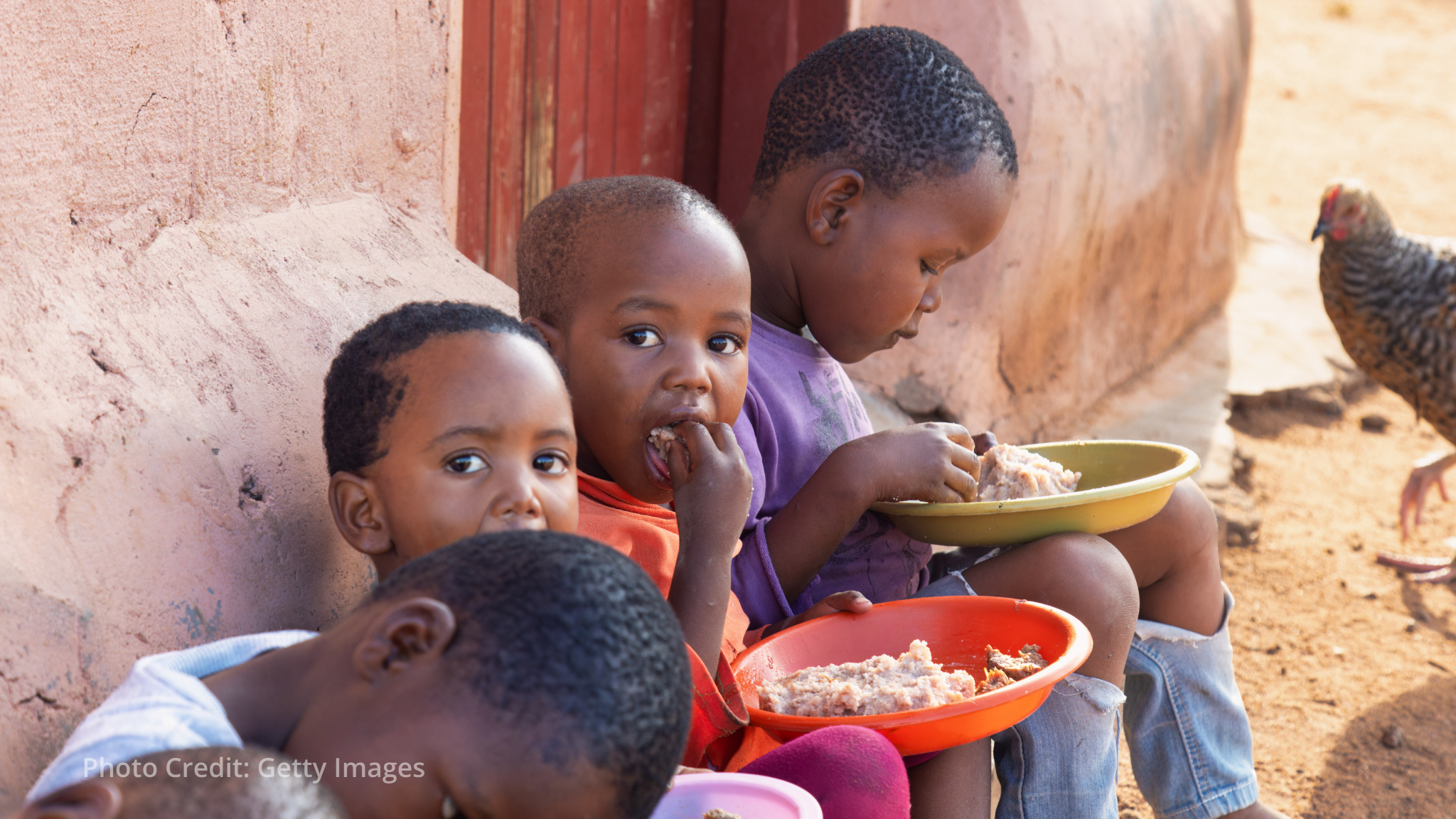
Somalia is now one of the most acute humanitarian emergencies in the world. An estimated 4.8 million people need urgent assistance in 2026, and nearly two million children under five are suffering from acute malnutrition. Children in this condition are eleven times more likely to die than healthy children, and as the social safety nets that once cushioned the most vulnerable families continue to erode, the situation is deteriorating fast. Successive poor rainy seasons have dried up water sources, wiped out livestock and pushed agro-pastoral households beyond their limits.
“Somalia is at a breaking point,” said Abukar Mohamud, Acting IRC Somalia Country Director. He described parents walking for hours to find water or treatment for their malnourished children, adding that with hundreds of facilities closing and funding at its lowest in a decade, the humanitarian system itself is under threat. Without urgent, flexible investment, he warned, preventable deaths will rise sharply in the coming months.
Despite severe resource constraints, the IRC is scaling up its response in the worst-affected areas. This includes rehabilitating eight critical water sources to restore safe water access for around 40,000 people displaced or affected by drought. The organisation is also rolling out a simplified treatment protocol that combines care for severe and moderate acute malnutrition, allowing teams to reach more children faster with fewer resources.
The IRC is calling on donors to act immediately and increase flexible funding so frontline teams can keep delivering lifesaving services. Somalia has appeared on the IRC’s 2026 Emergency Watchlist, underlining the very real risk of further deterioration without sustained international support. The organisation has worked in Somalia since 1981 and currently operates across Banadir, Puntland, South-West, Jubaland and Hirshabelle states, providing healthcare, cash transfers, water rehabilitation and mobile health services.