
Add us as your preferred source on Google to see more of our content in Search.
 Add to Preferred Sources
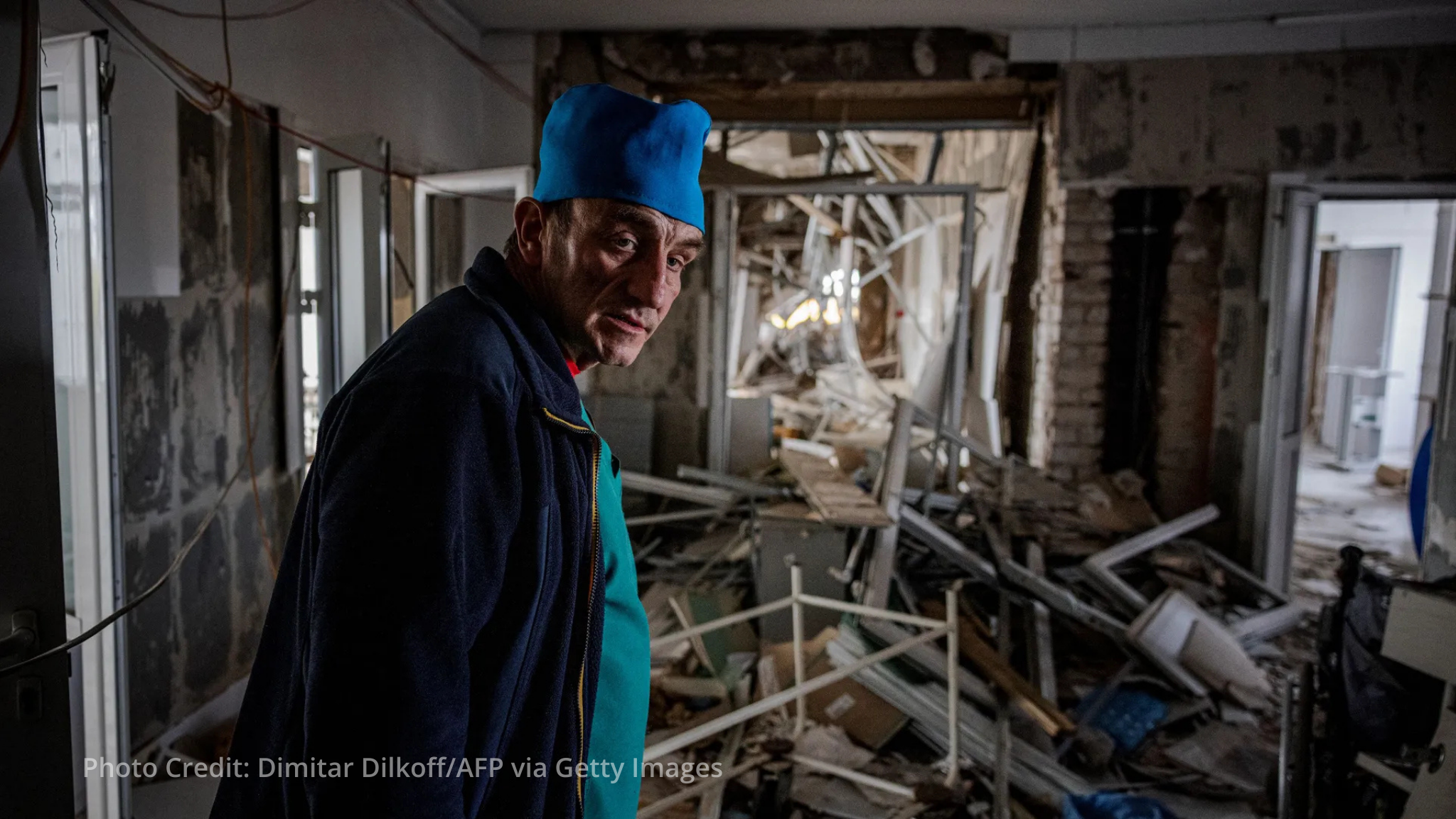
Attacks on health care in Ukraine rose by nearly 20% in 2025 compared to the previous year, reaching the highest level since Russia’s full-scale invasion began, according to the World Health Organization (WHO). Since February 2022, WHO has documented at least 2,881 attacks on health workers, facilities, ambulances and medical warehouses — violations of international humanitarian law that have killed 233 health workers and patients and injured 930 others over four years.
The situation is being driven by two overlapping pressures: direct strikes on health facilities and the knock-on effects of attacks on energy infrastructure. This winter — the harshest since the war began — repeated strikes on power plants and heating stations left millions without heat, electricity or water. In Kyiv alone, a January 2026 attack cut heating to nearly 6,000 buildings in subzero temperatures, prompting an estimated 600,000 residents to flee the capital. Attacks on medical warehouses tripled in 2025, disrupting supply chains critical to getting medicines and equipment to the front lines.
The health consequences are severe and compounding. A WHO survey found that 59% of people in frontline areas rated their health as poor or very poor. Mental health needs are staggering — 72% of people reported anxiety or depression in the past year, yet only one in five sought help. Four in five Ukrainians said they struggled to access medicines, mainly due to high prices, while access to rehabilitation remains critically limited.
“The best medicine is peace,” said WHO Director-General Dr Tedros Adhanom Ghebreyesus, noting that hospitals and clinics are “routinely attacked” even as health needs keep rising. WHO Regional Director for Europe Dr Hans Henri Kluge painted a vivid picture of what that means on the ground: heart patients unable to find blood pressure medication, amputees waiting months for prosthetics and teenagers too afraid to leave their homes.
In 2025, WHO reached 1.9 million people through medical supplies, referrals, outreach and capacity-building, including in hard-to-reach frontline communities. The agency has provided 284 generators to health facilities across 23 regions and is now appealing for US$42 million in 2026 funding to sustain its work and protect access to care for 700,000 people.