
Add us as your preferred source on Google to see more of our content in Search.
 Add to Preferred Sources
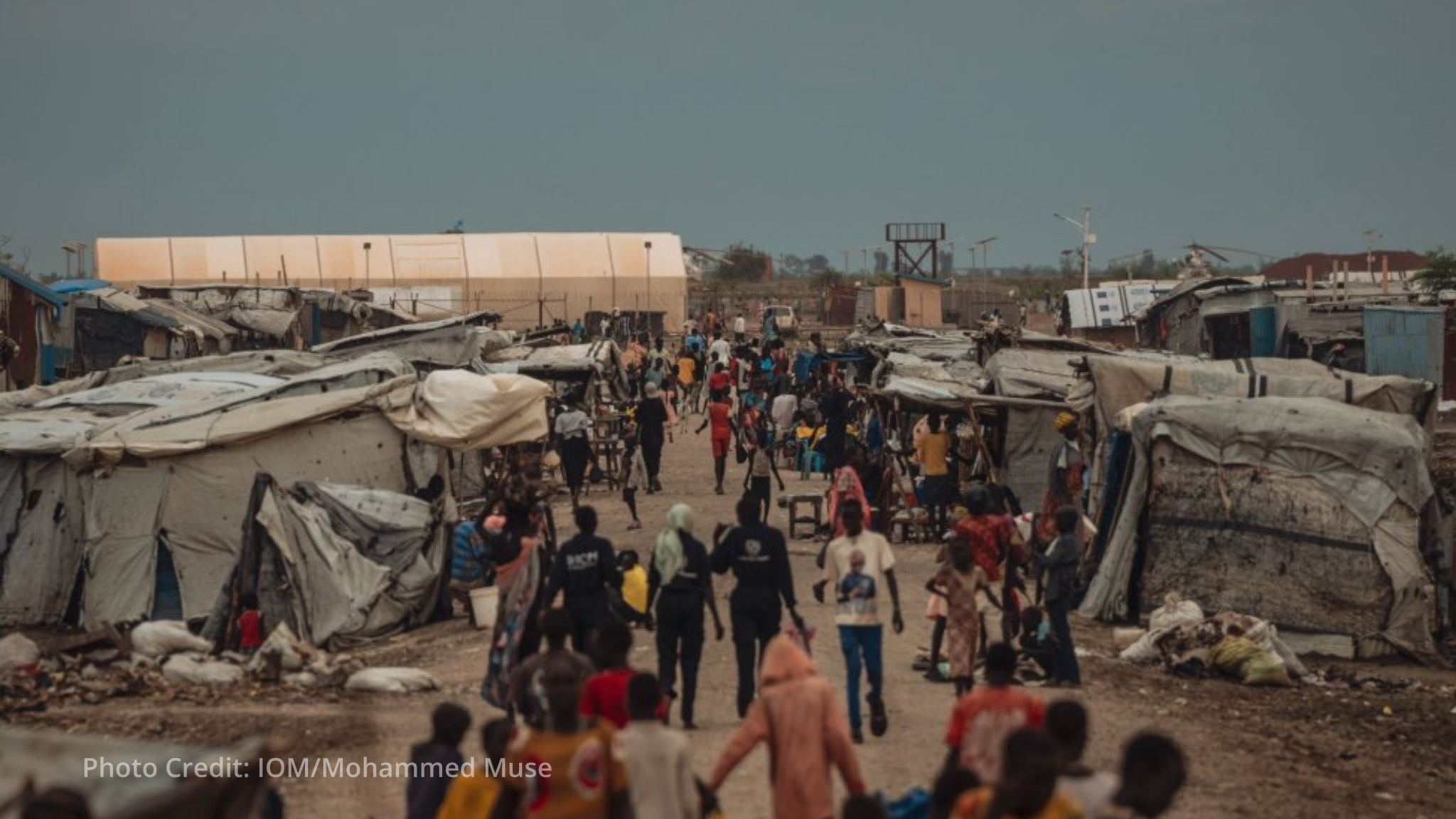
Severe funding shortfalls are threatening the lives of more than 1.9 million displaced people in South Sudan as humanitarian needs continue to far outpace available resources, the International Organization for Migration (IOM) has warned. The agency faces a gap of USD 29 million under its 2026 Response Plan, at a time when nearly 10 million people across the country need humanitarian assistance.
South Sudan is one of the most displacement-affected countries in the world, struggling with the compounding effects of years of conflict, flooding and instability. Since April 2023, more than 1.3 million people have crossed into the country from Sudan — 67% of them South Sudanese returnees — placing enormous pressure on border communities, overstretched services and fragile infrastructure. In Renk, one of the main entry points, arrivals are still coming in large numbers and emergency health, protection and transport support remain urgently needed.
In Bentiu, some progress is visible — families are leaving camps, building homes and rebuilding livelihoods. But IOM warns that these gains are fragile. Without consistent government backing and sustained support for services and infrastructure, communities risk sliding back into displacement. IOM Deputy Director General for Operations Ugochi Daniels, speaking during a visit to the country, said displaced families and host communities “are trying to rebuild their lives, but the strain is real,” adding that without sustained support and progress toward peace, renewed instability remains a serious risk.
The crisis is being compounded by the ongoing conflict in neighbouring Sudan, which continues to push new arrivals across the border. IOM stresses that reliable humanitarian access and security for aid workers and assets are essential to keeping the response functioning, especially in hard-to-reach areas where needs are most acute.
As co-lead of the Global Shelter, Land and Site Coordination Cluster, IOM is working with partners to provide safe shelter, organised sites and essential services for displaced people, while linking emergency support to longer-term recovery planning so communities can stabilise and rebuild with safety and dignity.