
Add us as your preferred source on Google to see more of our content in Search.
 Add to Preferred Sources
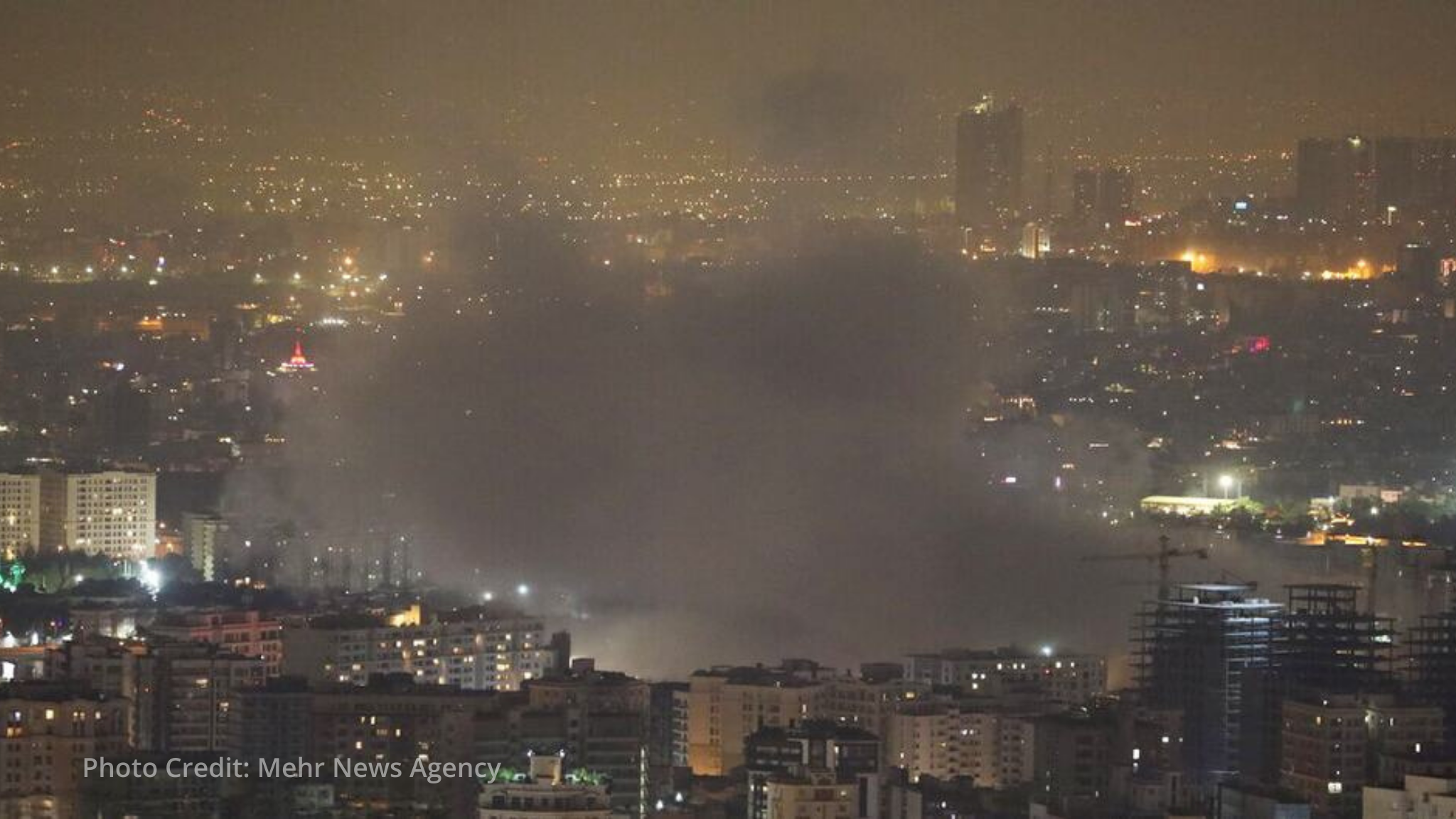
The United Nations (UN) educational agency United Nations Educational, Scientific and Cultural Organization (UNESCO) has condemned the bombing of a girls’ primary school in Minab, southern Iran, calling it a grave violation of international humanitarian law, according to a UN News report. The school was struck during US and Israeli military attacks on Iran on Saturday, killing around 150 people and wounding nearly 100 more, with many of the victims believed to be students.
The attack was part of a broader wave of strikes that continued into Sunday, drawing widespread condemnation from across the UN system, including from Secretary-General António Guterres. UNESCO stated that pupils in places of learning are explicitly protected under international humanitarian law, warning that “attacks against educational institutions endanger students and teachers and undermine the right to education.” Iran also launched retaliatory strikes that hit several countries in the region, adding to the escalating toll on civilians.
Among the most prominent voices to speak out was Nobel Peace laureate and UN Messenger of Peace Malala Yousafzai, who said she was “heartbroken and appalled” by the strike. “The killing of civilians, especially children, is unconscionable, and I condemn it unequivocally,” she wrote in a social media post. Malala became a global symbol of the struggle for girls’ education after she was shot by the Taliban in Pakistan in 2012 for advocating for girls’ right to go to school.
She called on all states and parties to uphold their obligations under international law to protect civilians and safeguard schools, and demanded that the escalating violence across the region stop. Her words carried particular weight given her own experience as a survivor of an attack targeting a girl’s education.
UNESCO’s condemnation underscores the urgent need for accountability and for all parties to the conflict to honour their obligations to protect civilian life — especially children, in the places meant to secure their future.