
Add us as your preferred source on Google to see more of our content in Search.
 Add to Preferred Sources
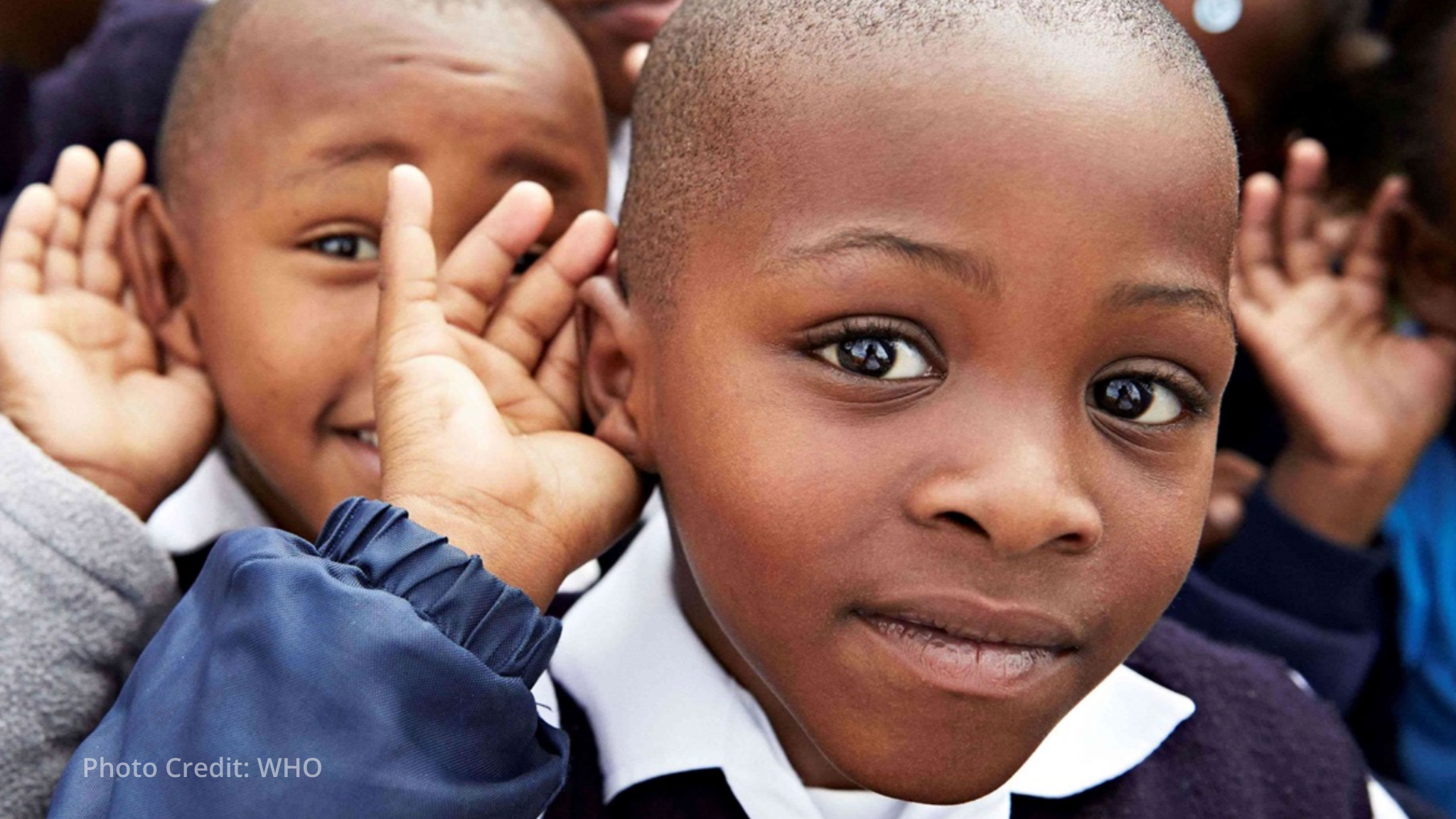
More than 95 million children and adolescents worldwide are living with unaddressed hearing loss, yet World Health Organisation (WHO) estimates that nearly 60% of ear and hearing problems could be prevented or treated at local health clinics — if trained staff and basic equipment were in place, the organisation said on World Hearing Day. This year’s theme, From communities to classrooms: hearing care for all children, is a direct call to governments, educators and health workers to stop treating childhood hearing loss as an afterthought.
The burden falls hardest on children in low- and middle-income countries, particularly in Africa and South-East Asia, where access to ear and hearing services is severely limited. Untreated hearing loss does not just affect how a child hears — it delays speech and language development, holds back learning, limits social interaction and narrows future employment prospects. “Over 80% of the people who need ear and hearing care do not receive it,” said Dévora Kestel, acting Director of WHO’s Department of Noncommunicable Diseases and Mental Health, calling the gap a serious threat to children’s education, wellbeing and livelihoods.
WHO is urging countries to integrate hearing screening into school and community health programmes, build clear referral pathways and equip teachers, parents and health workers with practical tools. To support that push, the agency is rolling out WHOears — a free mobile app for iOS and Android that enables trained individuals to conduct hearing screening in schools and communities, extending reach well beyond clinic settings.
For children already living with hearing problems, WHO stresses that affordable, evidence-based interventions exist — from hearing aids and cochlear implants to surgery, sign language and assistive technologies.
“With practical and affordable solutions now available, no child should be left behind due to unaddressed ear and hearing problems,” said Dr Shelly Chadha, WHO Team lead for eye, ear and oral health.
The message on World Hearing Day is both urgent and hopeful: the tools are there, the knowledge exists, and the cost of inaction — measured in lost childhoods and stunted futures — is far higher than the cost of acting now.