
WaterAid report finds unsafe maternity ward conditions driving maternal sepsis deaths across sub-Saharan Africa
Add us as your preferred source on Google to see more of our content in Search.
 Add to Preferred Sources
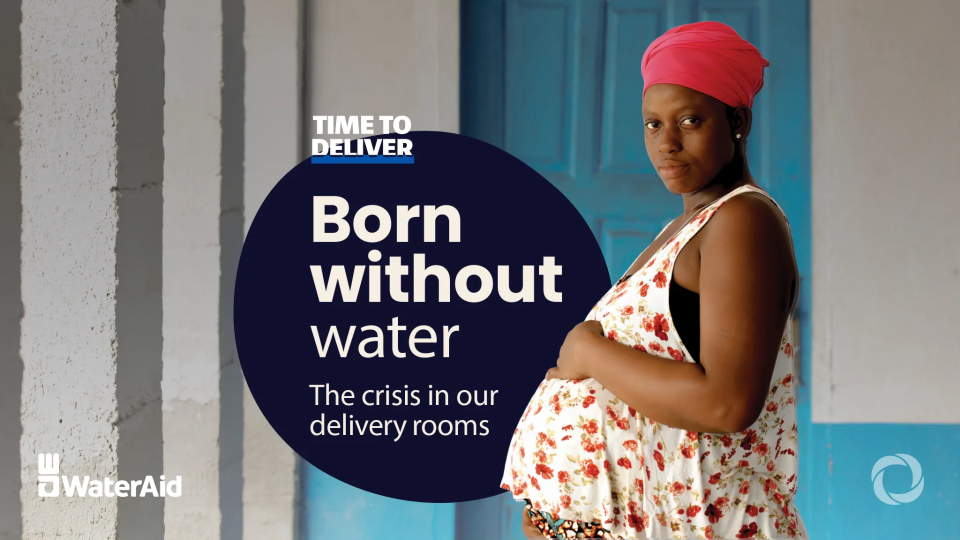
A new report from WaterAid, published on March 19, 2026, finds that inadequate water, sanitation, and hygiene in maternity wards is contributing to high rates of maternal sepsis and preventable deaths across sub-Saharan Africa, according to a press release issued by UN-Water. The report, titled Born without water, draws on findings from ten surveyed African countries and highlights similar conditions in parts of Asia. Unsafe delivery environments are placing women at severe and measurable risk during childbirth.
An estimated 13,000 women die from maternal sepsis each year in sub-Saharan Africa, a figure that amounts to 36 deaths per day. Women in the region are around 144 times more likely to die from sepsis than those in Western Europe and North America. This stark disparity underscores the scale of the crisis documented in the report.
The report indicates that three in four births in the ten surveyed African countries take place in delivery rooms described as “unsafe,” lacking basic cleaning, handwashing facilities, or decent toilets. WaterAid states that providing universal basic water, sanitation, and hygiene services in healthcare facilities could prevent millions of infections and thousands of deaths annually. The projected cost of doing so is less than US$1 per person.
The findings accompany the launch of WaterAid’s global Time to Deliver campaign, which calls for increased investment ahead of the 2026 UN Water Conference in December. The campaign connects the report’s evidence directly to an upcoming international policy moment. WaterAid positions the conference as a critical opportunity to act on the data presented.