
Add us as your preferred source on Google to see more of our content in Search.
 Add to Preferred Sources
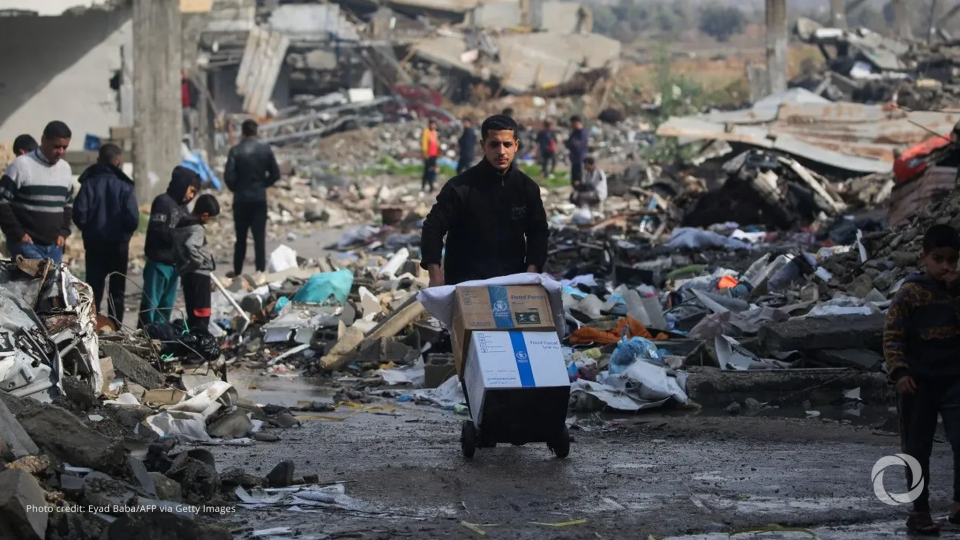
Humanitarian needs across Gaza continue to grow, the UN agency assisting Palestine refugees, UNRWA, said on Wednesday, March 18, 2026, amid mounting pressures on aid delivery and the ongoing conflict in the Middle East. Stocks of tents, bedding items, and other essential supplies are depleting rapidly, with some humanitarians buying clothing, bedding, and basic kitchen items from local markets, according to a press release by the UN Office for the Coordination of Humanitarian Affairs (OCHA). Families continue living in overcrowded shelters and damaged homes with limited access to essential aid.
The Kerem Shalom crossing remains the only operational crossing through which humanitarian and commercial cargo can enter the Strip. Both the humanitarian and commercial sectors face the same bottleneck at this single entry point. OCHA has warned that this situation is not sustainable. The United Nations continues to deliver critical assistance despite shrinking supplies due to increased restrictions since the regional escalation began. UNRWA has described families as facing ongoing hardship as access to essential aid remains limited.
On Tuesday, more than 400,000 litres of fuel were successfully collected, while UN aid teams and partners working in water, sanitation, and hygiene collected seven truckloads of supplies from Kerem Shalom. These deliveries represent a continued effort to sustain basic services under difficult conditions. OCHA underscored that supply shortfalls are directly tied to access restrictions. The situation has forced some humanitarians to source goods locally to fill gaps in supply chains. Conditions on the ground remain under significant strain.
UN Deputy Spokesperson Farhan Haq addressed the status of the Rafah crossing, stating that “the recent Israeli announcement that Rafah will reopen has not yet been implemented.” He confirmed that the UN stands ready to resume medical evacuations and support people returning to Gaza once the crossing opens. UNRWA chief Philippe Lazzarini warned of a dangerous normalization of the situation, saying “impunity reigns and disproportionate actions are being normalised amid the escalating conflicts in the Middle East.” Lazzarini added: “the more violations, the stronger the culture of impunity becomes.” He cautioned that failing to call out abuses will rebound across the globe.
The UN continues to call for safe, unhindered humanitarian access to ensure that those in need receive the support they urgently need. OCHA has made clear that the current bottleneck at Kerem Shalom cannot serve as a long-term solution for either humanitarian or commercial supply. The UN stands ready to scale up operations, including medical evacuations through Rafah, once conditions allow. The situation in Gaza remains a critical concern for the international humanitarian community. Sustained and broadened access is identified as essential to addressing the deepening needs across the Strip.