
Add us as your preferred source on Google to see more of our content in Search.
 Add to Preferred Sources
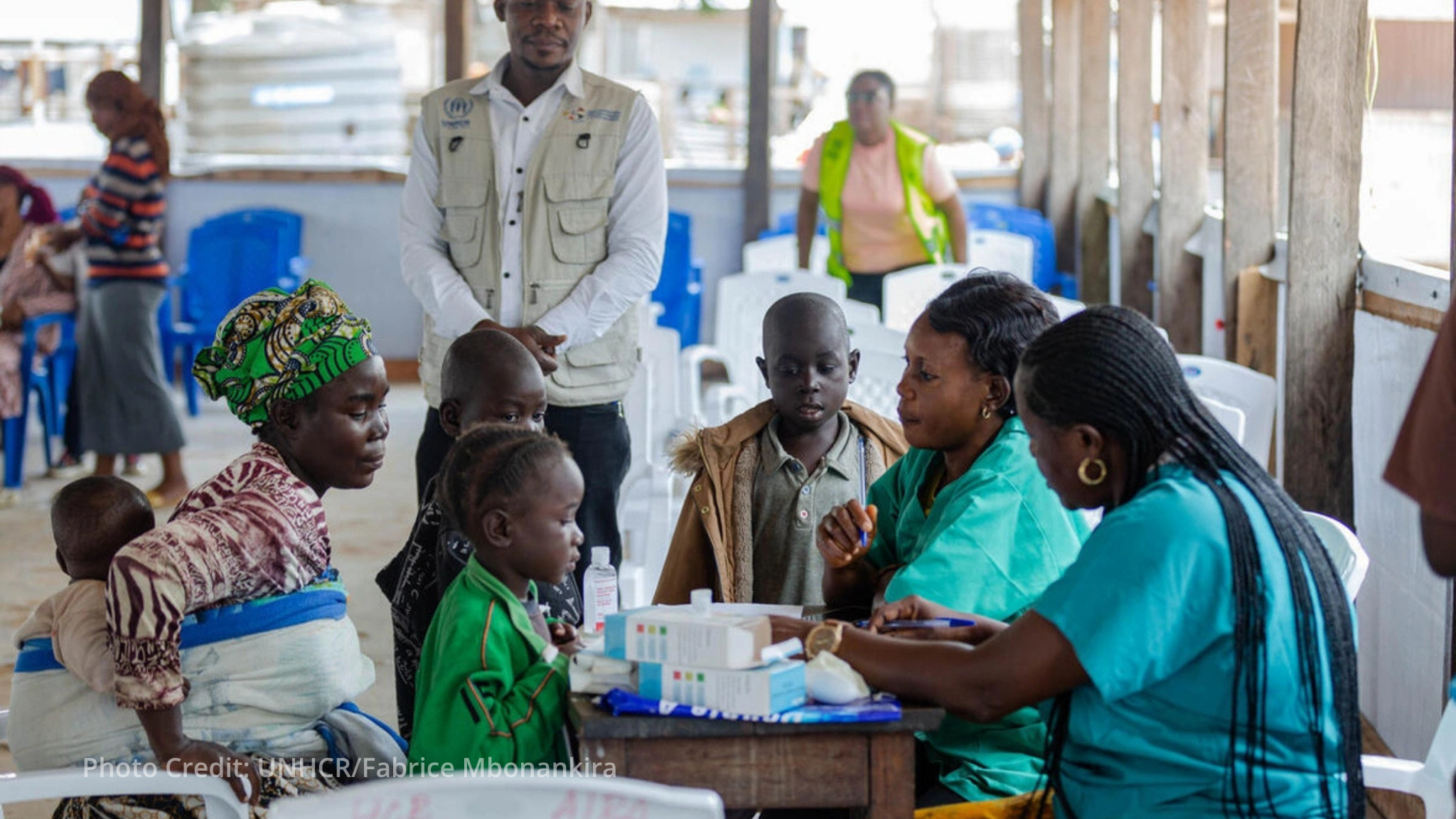
More than 33,000 Congolese refugees have returned to eastern Democratic Republic of the Congo from Burundi within a single month, following the reopening of the Burundi–DRC border on 23 February, as reported in a briefing note published by the UN Refugee Agency (UNHCR). Most arrivals are crossing through the Kavimvira border point near Uvira in South Kivu Province — the same area they fled in December 2025 when fighting between the Armed Forces of the DRC and the M23 armed group forced thousands to seek safety in Burundi. Some are returning out of hope for renewed stability, while others are leaving after shrinking aid in Burundi left them with little choice.
Around 30% of returnees had been living in Burundi’s overcrowded Busuma refugee site, where funding shortfalls have already cut back water, sanitation, medicine, and shelter. Nearly 4,500 people remain in transit centers awaiting relocation. Across the border, initial assessments in Uvira and Fizi show families arriving with almost nothing — many find their homes destroyed and belongings looted, with no immediate access to shelter, water, or health care.
UNHCR and partners are scaling up protection monitoring and emergency assistance, deploying teams at border crossings and return areas to identify vulnerable individuals and provide tarpaulins, blankets, soap, and protection services, as well as hot meals, registration, and screening. The agency stresses that all returns must be voluntary, safe, and dignified, and that strengthening security, basic services, and support for host communities in return areas is essential.
UNHCR’s response for refugees, returnees, and internally displaced people in the DRC is only 34% funded against $145 million in requirements, while its response for Congolese refugees in Burundi is just 20% funded. The agency is calling for urgent additional support to keep pace with the flow of people — and to ensure that returning families don’t arrive home only to find they have nowhere to start again.