
Add us as your preferred source on Google to see more of our content in Search.
 Add to Preferred Sources
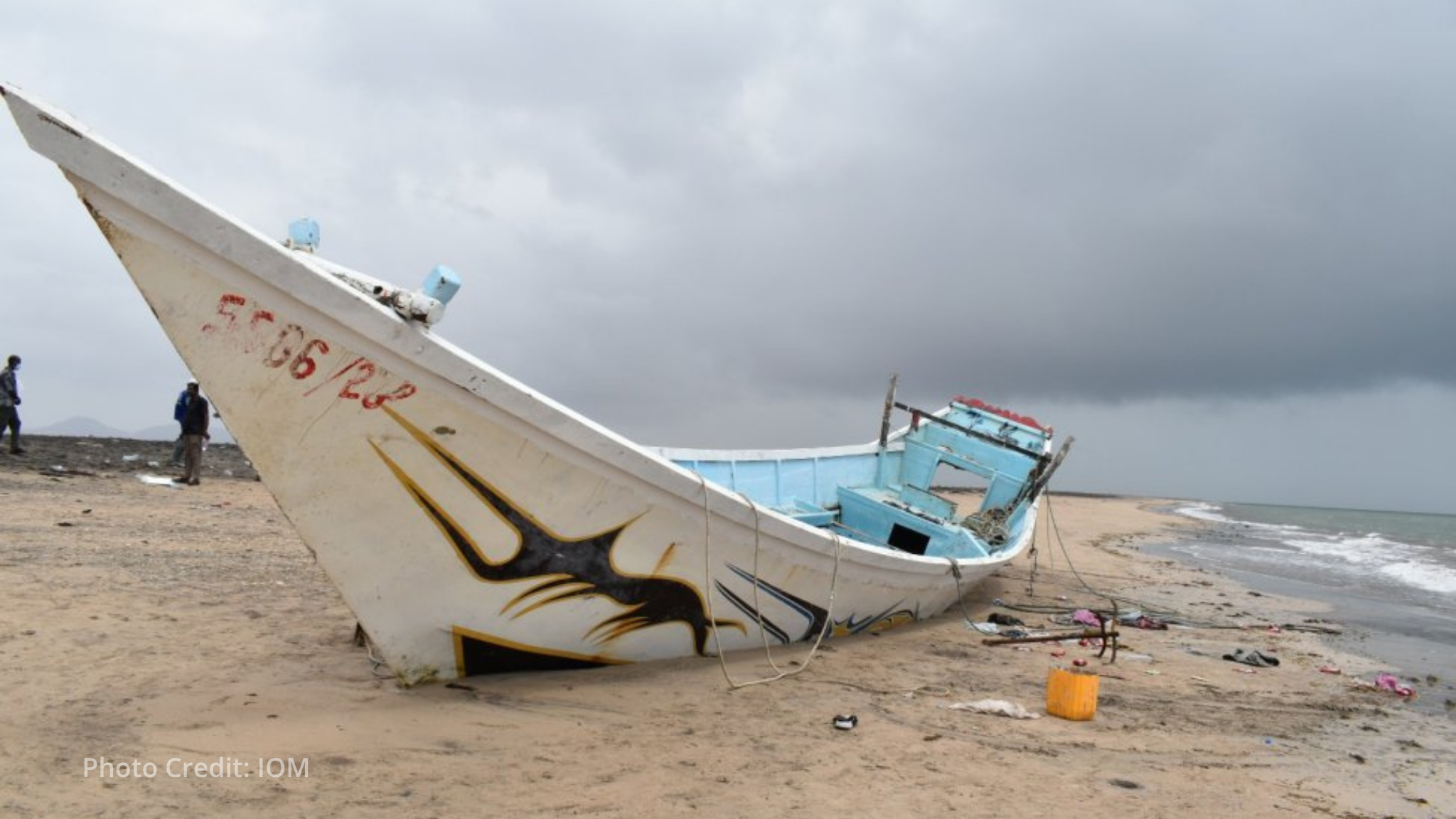
At least nine migrants have died and 45 are still missing after a shipwreck off Djibouti’s coast, the International Organization for Migration (IOM) reported. The overcrowded vessel was attempting to cross the Bab el‑Mandeb Strait from Djibouti to Yemen on 24 March and may have been carrying more than 300 people, according to survivors. The incident marks the first major shipwreck on the route in 2026 and comes as the hot season begins in Djibouti, bringing rougher seas and stronger winds that put migrants at even greater risk.
Tanja Pacifico, IOM Chief of Mission in Djibouti, said: “Every life lost at sea is one too many. This tragic shipwreck may sadly mark the first of many incidents this year.” The bodies of three women and six men have been recovered so far. Over 120 survivors — all Ethiopian nationals — are being sheltered and supported at IOM’s Migrant Response Centre in the nearby town of Obock, where they are receiving food, shelter, health care, and mental health support. Government‑led search and rescue operations are ongoing in the hope of locating more survivors.
Each year, tens of thousands of people from the Horn of Africa pass through Djibouti in an attempt to cross the Gulf of Aden and reach Gulf countries in search of safety, stability, and jobs. Many are driven by poverty, insecurity, and climate impacts. Yet most never reach their destination. Many drown at sea, while others land in Yemen, where they face violence, arbitrary detention, exploitation, and trafficking. In 2025, more than 900 migrants died or went missing along this route, with crossings up by 20% from the previous year.
IOM is urging stronger international support to expand search and rescue capacity, develop safe migration pathways, and scale up funding for Djibouti and the broader Eastern Route Regional Migrant Response Plan, which is seeking USD 91 million for 2026. The agency warns that without more investment in prevention and protection, more tragedies like this are likely to follow.